Japan Luxury Goods Market: Brand Recall, Emotional Equity, and the Power of Cultural Gifting
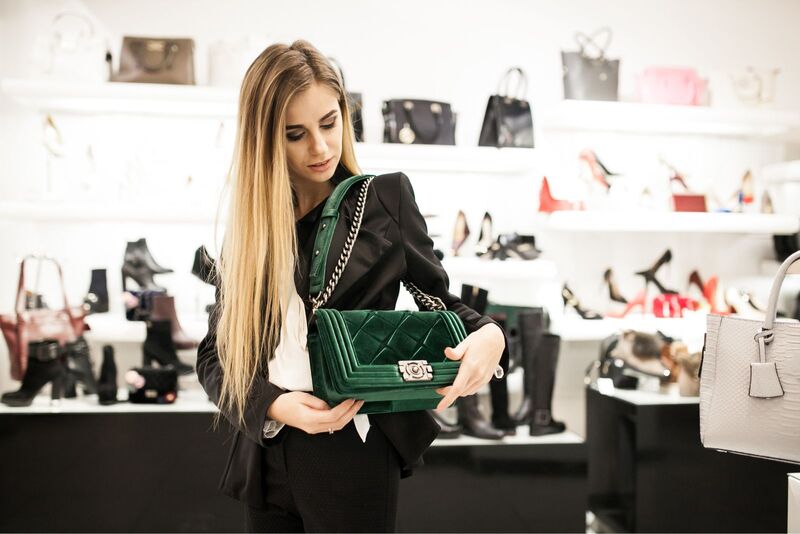
The Japanese Luxury Goods Market is expanding at a 6.9% CAGR, growing from USD 12,583 million in 2023 to an estimated USD 22,393 million by 2032. This growth reflects a market shaped not by impulse consumption but by deeply embedded cultural values, strong brand memory, and emotionally driven purchasing behavior. In Japan, luxury demand is sustained by a blend of heritage appreciation, gifting traditions, and long-term brand trust rather than rapid trend cycles.
Gifting Culture as a Structural Demand Driver
A defining feature of the Japanese luxury goods market is its deeply rooted gifting culture, which strongly shapes purchasing decisions across categories such as leather goods, cosmetics, fragrances, confectionery, and lifestyle accessories. Luxury purchases often express respect, gratitude, or social harmony, particularly during seasonal occasions, corporate exchanges, and personal milestones.
Unlike markets driven by conspicuous consumption, Japanese consumers value subtle elegance, refined aesthetics, and high-quality presentation. Packaging, craftsmanship, and brand reputation are viewed as extensions of the giver’s personal values. Department stores and specialty boutiques play a central role by curating seasonal and limited-edition assortments that highlight artisanal quality and emotional symbolism. Corporate gifting further drives demand, as premium goods are used to strengthen professional relationships and long-term partnerships.
As consumer preferences gradually shift toward more meaningful, experience-oriented luxury, brands are responding with curated gift sets, personalization options, and bespoke services. This alignment between cultural etiquette and luxury positioning continues to anchor steady market growth.
Brand Awareness: Top-of-Mind and Aided Recall Dynamics
Brand recall analysis reveals a highly stratified awareness landscape, with long-established heritage brands dominating spontaneous recognition. Louis Vuitton leads with 32% top-of-mind recall and 94% aided recall, underscoring its deep cultural integration and consistent visibility across generations. Its strong retail footprint and reputation for durability reinforce immediate brand association.
Gucci ranks second with 24% top-of-mind awareness and 92% aided recall, driven by contemporary design and resonance with younger consumers through collaborations and modern styling. Chanel secures 18% spontaneous recall and 89% aided recall, benefiting from its dual presence in fashion and beauty, which keeps the brand embedded in daily routines while preserving its aspirational appeal.
More exclusive houses, such as Hermès, show lower top-of-mind recall at 12%, but strong aided recognition at 82%, reflecting deliberate scarcity and appeal to affluent, mature consumers.
Prada records 8% top-of-mind and 74% aided recall, resonating with urban consumers drawn to minimalist and evolving design narratives.
The gap between spontaneous and aided recall clearly shows that heritage, longevity, and cross-category presence are critical to securing mental availability without prompting. At the same time, niche and emerging brands require stronger engagement to convert recognition into instinctive association.
Brand Attributes and Emotional Connection
Brand attribute analysis shows that leadership in Japan’s luxury market is sustained by craftsmanship, integrity, heritage, credibility, and emotional resonance rather than novelty alone. Louis Vuitton scores exceptionally high on craftsmanship, heritage, durability, and social-status signaling, reinforcing trust in long-term product value. High durability ratings are critical in a culture that equates quality with longevity and responsible ownership.
Chanel presents a complementary strength profile. Its perception of exclusivity, aesthetic refinement, and emotional storytelling is reinforced by strong visibility in beauty and fashion. The brand’s alignment with elegance, subtle status signaling, and cultural relevance resonates strongly with female consumers who prioritize sophistication over overt display. High-quality customer service and post-purchase care further strengthen emotional loyalty in a market where after-sales experience is critical.
Together, these profiles highlight a broader market truth: Japanese luxury consumers evaluate brands holistically, weighing tradition, emotional meaning, social symbolism, and reliability. Purchasing decisions are less transactional and more reflective of long-term alignment with identity.
Market Structure and Competitive Landscape
A mix of global heritage leaders and select niche brands anchors the Japanese luxury goods market. Major players include Louis Vuitton, Gucci, Chanel, Hermès, Dior, Prada, Burberry, Bottega Veneta, Cartier, and Tiffany & Co., among others.
Competition is less about aggressive expansion and more about preserving brand equity, emotional connection, and cultural alignment. Successful brands in Japan respect local sensibilities, deliver consistent quality, and build trust over time.
Outlook
As Japan’s luxury goods market approaches USD 22 billion by 2032, growth will remain anchored in brand memory, emotional loyalty, and culturally informed consumption patterns. While younger consumers introduce new digital and experiential touchpoints, the core market will continue to reward brands that balance heritage with relevance, exclusivity with accessibility, and craftsmanship with emotional storytelling.