Japan Insecticides Market: Innovation-Driven Growth Meets Sustainability Transition
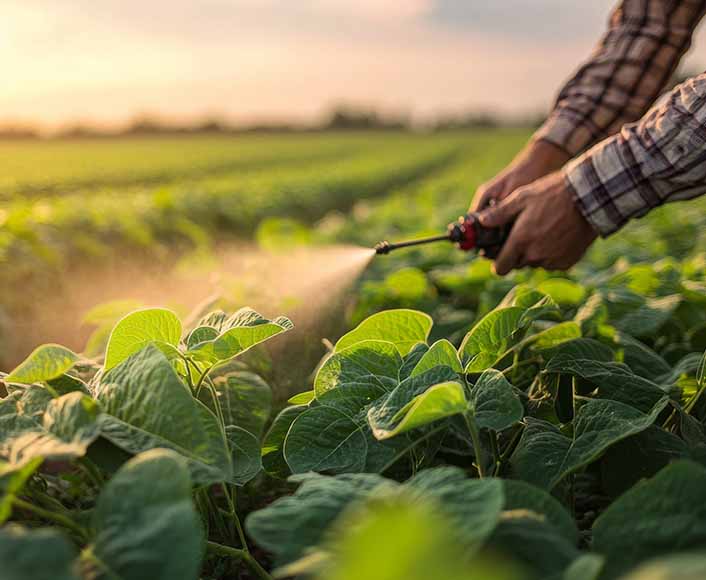
The Japanese insecticides market recorded sales of 6.13 million kg in 2023 and is projected to reach 10.06 million kg by 2032, expanding at a CAGR of 10.4% over the forecast period. This strong growth reflects a market undergoing structural transformation, with innovation, regulatory alignment, and sustainability considerations reshaping product portfolios and adoption patterns across agriculture.
Shift toward Safer and Advanced Formulations
Japan’s insecticide market is moving decisively away from conventional, high-toxicity chemistries toward advanced formulations that balance efficacy and environmental responsibility. Heightened concerns about soil health, pollinator protection, residue limits, and food safety are shaping both regulatory frameworks and grower behavior. As a result, bio-based, low-toxicity, and precision-applied insecticides are gaining momentum across rice cultivation, horticulture, and specialty crops.
Domestic manufacturers and research institutions are increasing investment in microbial actives, plant-derived compounds, and advanced delivery systems. Innovations such as controlled-release encapsulation, nanoformulations, and enhanced photostability enable lower application rates while maintaining pest control performance. These technologies reduce off-target drift and residue buildup, aligning products more closely with Japan’s strict environmental and food safety standards.
Retailers and food supply chains are reinforcing this transition by prioritizing produce grown with cleaner crop protection inputs. Integrated pest management programs and digital advisory platforms are further accelerating adoption by educating growers on optimized use patterns, resistance management, and long-term soil sustainability.
Pricing Trends Reflect Innovation and Market Normalization
Average insecticide prices in Japan have been volatile and have gradually normalized. Prices rose from USD 35/kg in 2023 to a peak of USD 45/kg in 2026, reflecting stronger demand for higher-value formulations, regulatory compliance costs, and tighter supply conditions. This period highlights a window when innovation-led products command price premiums.
From 2027 onward, prices begin to soften, declining to USD 36/kg by 2032. This moderation reflects improved supply stability, broader availability of newer formulations, and rising competition, including generics and scaled bio-based solutions. Over the entire period, the average price remains around USD 39.6/kg, indicating a balanced market where premium innovation coexists with cost-competitive strategies. For suppliers, this pricing cycle underscores the importance of continuous differentiation during high-margin phases, followed by efficiency and scale as markets mature.
Product Mix Signals a Balanced yet Progressive Portfolio
The market structure shows both continuity and change. Neonicotinoids lead with a 29.11% share, reflecting their systemic action, low-dose efficacy, and suitability for high-value crops. Pyrethroids follow with 18.11%, reflecting their broad applicability and cost-effectiveness, especially in combined agricultural and household use.
Biological and bio-based insecticides, which account for 17%, represent one of the most significant shifts in the market. Their growing share signals mainstream acceptance beyond niche applications, particularly in greenhouse and specialty crop environments. Organophosphates (16.91%) and carbamates (5.09%) continue to play roles in resistance management and in addressing specific pest challenges, though their relative importance is gradually declining.
The remaining 13.78% comprises insect growth regulators and other emerging chemistries, underscoring diversification and innovation in resistance management and regulatory compliance. Overall, the portfolio reflects a pragmatic transition in which growers blend proven solutions with next-generation products to ensure reliability, sustainability, and economic viability.
Outlook: Convergence of Regulation, Technology, and Demand
The Japanese insecticides market is entering a phase of convergence rather than disruption. Regulatory pressure, consumer expectations for residue-free food, and technological progress are collectively steering the market toward advanced, environmentally aligned solutions. While legacy chemistries remain part of the mix, growth is increasingly concentrated in innovative formulations that support long-term agricultural resilience.
As the adoption of bio-based products expands and precision technologies mature, Japan’s insecticide market is poised for sustained volume growth, evolving value structures, and a gradual redefinition of what constitutes adequate and responsible crop protection.