U.S. Energy Drinks Market: From Quick Boost to Everyday Essential
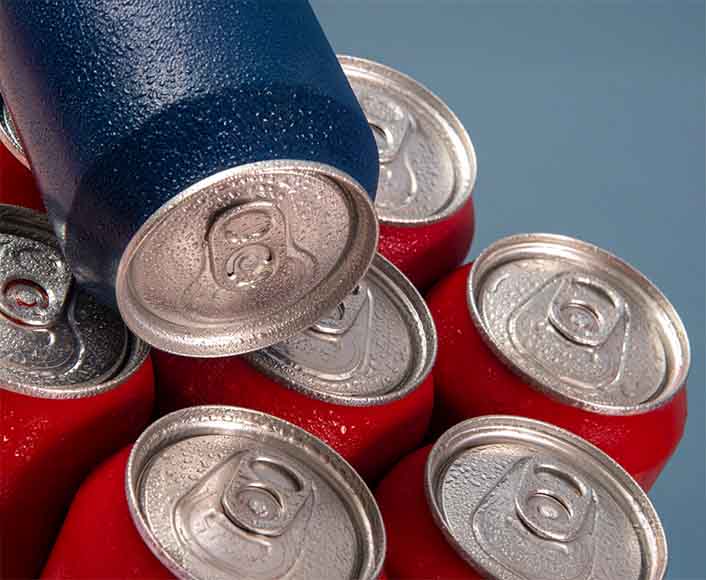
Energy drinks in the U.S. have evolved from niche performance enhancers to a mainstream beverage category. Once associated primarily with extreme sports and late-night study sessions, they are now a significant market segment. In 2024, the market was valued at USD 24.0 billion and is projected to reach approximately USD 45.0 billion by 2032, with a CAGR of 8.1 percent. This nearly USD 21.0 billion growth over eight years reflects not only increasing consumption but also a shift toward more premium products.
Today’s growth in energy drinks focuses less on consuming more cans and more on choosing higher-quality options. Premium pricing, sugar-free reformulations, functional ingredients, and regular product launches are reshaping the category. Energy drinks are increasingly viewed as tools for productivity, lifestyle beverages, or functional alternatives to coffee, rather than merely as short-term stimulants. This shift has expanded the consumer base across different age groups, occasions, and regions.
Traditional and sugar-free ready-to-drink energy drinks still account for the majority of market revenue, representing over two-thirds of the total value. Their success stems from frequent purchasing, strong brand loyalty, and widespread availability in retail outlets. Notably, the U.S. market is also advantaged by a relatively stable regulatory landscape focused on transparent labeling and ingredient disclosure, which helps ensure long-term stability and encourages innovation within the category.
What Is Driving Growth and Where the Value Is Coming From
The main driver of growth in the U.S. energy drinks market is ongoing demand for functional beverages that enhance alertness, stamina, and daily productivity. Consumers now use energy drinks beyond just sports or nightlife; they are consumed during work, commuting, travel, and social events. This broader range of uses sustains consistent demand even as the market matures.
Several factors are shaping value-led growth:
• Premiumization and improved price mix across core brands
• Rapid adoption of sugar-free and low-calorie variants
• Functional formulations with vitamins, amino acids, electrolytes, and botanicals
• Multipack formats that increase average transaction values
• Wider digital availability supporting bulk and repeat purchases
Sugar-free and low-calorie options now account for approximately 25–30% of the market, having evolved from niche products to essential offerings. They help brands retain regular customers and attract health-conscious consumers without reducing consumption frequency. Traditional ready-to-drink products continue to account for approximately 45–50% of the total market value, underscoring their pivotal role in sustaining the category’s projected value of USD 45.0 billion by 2032.
As volume growth slows, formulation trends are gaining importance. Brands emphasize clean-label positioning, minimize artificial additives, and simplify ingredient lists to appeal to younger and premium consumers. These changes enable higher average selling prices and help sustain revenue growth despite stiff competition.
Channels, Regions, and Competitive Intensity
Offline retail remains the primary channel in the U.S. energy drinks market, accounting for approximately 75% of total sales. Convenience stores account for approximately 35–40%, fueled by impulse buys and high demand for single-serve cans. Supermarkets and hypermarkets account for an additional 25–30%, primarily through multipack sales that serve household needs.
Online retail, though still accounting for roughly 10–15 percent of sales, is expanding more rapidly than offline channels. As the market approaches USD 45.0 billion by 2032, digital platforms are expected to become increasingly important for premium product discovery, subscription services, and bulk purchases. Additionally, club stores and foodservice channels further diversify distribution, each accounting for approximately 10 percent.
The South and West regions contribute most to market value, driven by longer commutes, warmer weather, greater convenience-store density, and a larger working population. The Northeast has higher uptake of sugar-free and premium energy drinks, especially in urban and college areas. The Midwest shows consistent demand driven by mass-market brands and price consciousness.
The U.S. energy drinks market remains highly competitive. Key competitors include Monster Beverage Corporation, PepsiCo (Rockstar), Red Bull, Celsius Holdings, Keurig Dr. Pepper, Bang Energy, and several emerging niche brands. As shelf space is heavily contested and promotional activities are common, brands are increasingly focusing on product formulation innovation, branding efforts, and channel strategies to maintain their profit margins.
Overall, the U.S. energy drinks market is maturing yet remains adaptable. Growth is expected to continue through value-focused expansion, premium products, and changing consumer habits, despite ongoing regulatory challenges and competition. For both established brands and new players, future growth will rely more on differentiation than on increasing scale.