Why Europe's Deposit Schemes Are Reshaping Beverage Cans
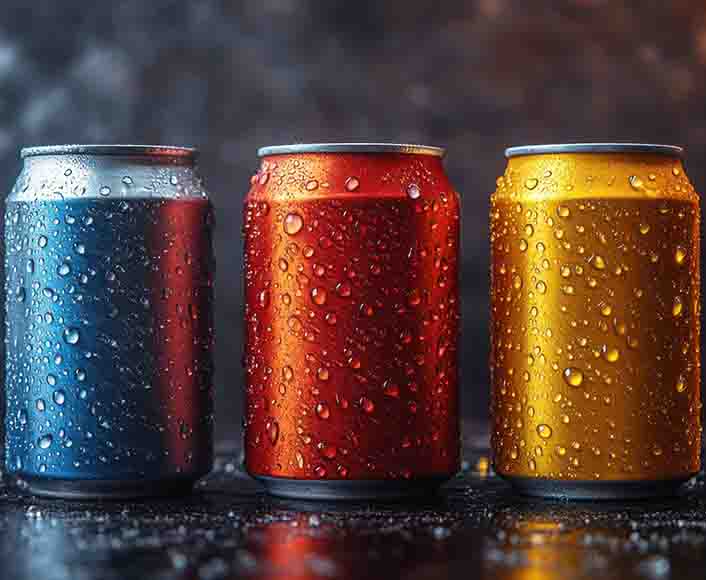
If you pick up an empty can in Berlin, there's a high chance it will be recycled into a new can within sixty days. However, in a country without a deposit system, that likelihood decreases significantly. This single difference in recycling processes influences where and how beverage companies package their products throughout Europe.
This provides a valuable entry point into the European Beverage Cans Market, as the headline growth figure reveals little about the underlying reasons. The key factor is what occurs to a can after it has been emptied, and this narrative varies significantly from one country to another.
What Makes Germany the Benchmark Everyone Else Is Chasing?
Germany has perhaps the most efficient bottle-and-can return system globally, reclaiming over 95% of single-use beverage containers. This impressive collection rate isn't just a sustainability figure; it serves as a vital industrial input. Using recycled aluminum requires up to 95% less energy than producing primary aluminum. Germany's deposit scheme ensures a steady flow of clean, food-grade scrap back into can manufacturing. As a result, beverage brands there enjoy a true cost and carbon benefit that companies in less efficient recycling markets cannot access.
Traveling north to Norway and Finland shows a similar trend, with return rates often surpassing 90%. This indicates the direction the rest of the continent may take as more governments implement or expand deposit return schemes, especially in Central and Eastern Europe.
Country Stories That Look Nothing Alike
Not all markets are mirroring Germany's approach. The UK, Europe's second-largest canned drinks market, is expanding mainly because consumers prefer convenience stores and supermarkets, where cans have become the preferred portable format for energy drinks and ready-to-drink cocktails. This growth is driven more by consumer habits than recycling policies. As the UK introduces its own deposit return scheme more widely, it is likely to resemble Germany's system over time.
France's market is undergoing a substitution shift. Manufacturers are moving away from plastic and heavy glass, while canned water and premium drinks are increasing in popularity. Historically, bottles dominated the market, but regulation and consumer sustainability preferences now drive these changes rather than cost considerations.
Spain and Italy demonstrate how cultural factors influence demand independently of recycling policies. In Spain, the tourism industry maintains high beer consumption in bars and outdoor settings, where portable packaging naturally prevails. Meanwhile, Italy, traditionally committed to glass for premium drinks, is experiencing a decline in that preference as energy drinks and functional beverage categories lacking a glass tradition increasingly shift consumers toward cans.
Why Poland Matters More Than Its Own Consumption Suggests
Poland's significance is less about its drinking habits and more about its role as a major manufacturing hub for beverage cans in Europe. Thanks to competitive operating costs and excellent export links to Western and Central Europe, Polish production has become a critical supply source for increasing demand across the continent. This highlights that the market isn't only about consumption locations but also about where the cans are produced.
Sustainability Has Become an Input, Not Just a Goal
It's no longer just a compliance requirement; it now plays a crucial role in managing costs and ensuring supply security. Beverage cans currently recycle at rates of 75 to 80% across Europe, and aluminum can be recycled endlessly without degrading in quality—a rare closed-loop system among packaging options that face growing regulatory pressures. In response, manufacturers are boosting recycled content in new cans and adopting lightweight can technologies that reduce material use across billions of units annually, leading to significant savings at scale.
What Should Packaging Buyers Take Away From This?
Recycling infrastructure is no longer just a background element; it is now a key competitive factor in different markets. Companies involved in sourcing packaging or planning capacity expansions should pay close attention to where deposit return schemes are expanding, as this indicates an improving aluminum supply chain. Recent regional production facilities are increasingly designed with renewable energy and advanced recycling from the outset, instead of adding sustainability features later. For procurement teams comparing aluminum with glass or plastic, this shift is already reflected in supplier pricing and the availability of recycled content.