UAE Crane Rental Market: Powering Complex Construction through Specialized Lifting Solutions
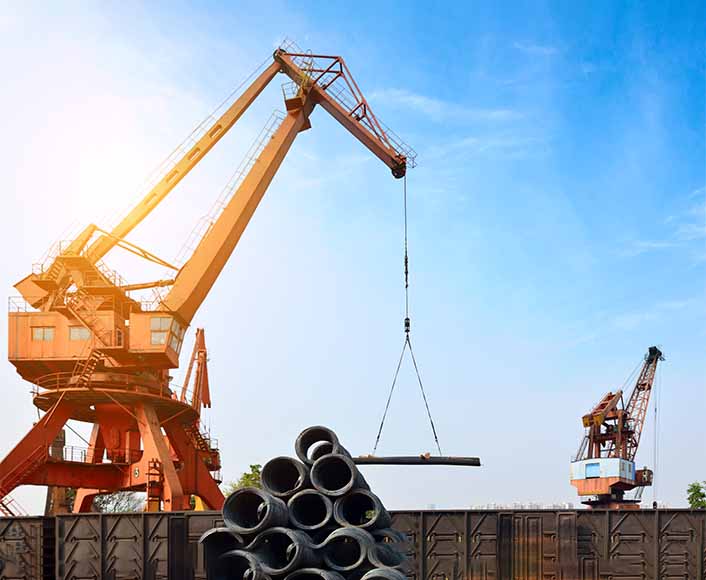
Cranes might not always be in the spotlight, but they are the unseen heroes behind nearly every significant construction milestone across the UAE. From towering skyscrapers that push the boundaries of architecture to bustling ports, power plants, and logistics centers, the crane rental industry quietly powers progress on a grand scale. In 2023, the UAE's crane rental market was valued at USD 502 million, with expectations to soar to USD 758 million by 2032, growing at a steady CAGR of 5.5 percent. This isn’t just about increasing volume; it signifies a strategic shift toward specialized, technology-driven lifting solutions that align with the country’s rapidly evolving, complex project landscape.
Urban expansion in Dubai and Abu Dhabi is driving demand for advanced cranes capable of handling heavier loads, reaching higher heights, and operating efficiently in tight spaces. The days of relying solely on standard lifting equipment are gone. Tower cranes now play a vital role in constructing soaring residential and commercial skyscrapers, while all-terrain cranes are prized for their agility, seamlessly navigating uneven sites without sacrificing stability. Crawler cranes, designed for heavy-duty tasks, are increasingly essential in ports, oil and gas facilities, and infrastructure projects, where long-distance lifting over challenging terrain is a constant requirement.
Several structural factors are reinforcing this demand shift:
• A strong pipeline of mega-projects, including smart cities, mixed-use developments, and energy infrastructure
• Rising preference for rental models to reduce capital expenditure and maintenance burdens
• Increased reliance on rental providers for operators, insurance, and technical support
Together, these factors are transforming crane rentals from short-term equipment solutions into integrated project enablers.
Pricing, Segments, and Why Renting Makes Strategic Sense
Over the past decade, rental pricing trends have closely mirrored the rhythm of project cycles. In 2020, the average daily crane rental price reached USD 1,200, driven by strong demand for mobile and all-terrain cranes. As construction activity surged, prices rose to USD 1,500 in 2021, driven by rapid urban expansion and government-backed infrastructure projects. A brief period of stabilization followed, with rates gently declining to USD 1,456 in 2022 and slightly further to USD 1,450 in 2023, influenced by competitive market forces and short-term project adjustments.
Momentum made a strong comeback in 2024, driving daily rates up to USD 1,540 amid rising demand for high-capacity tower and crawler cranes. However, in 2025, the price declined sharply to USD 1,100, underscoring the market's sensitivity to timing and pipeline management. From 2026 onward, prices are expected to recover gradually, reaching USD 1,350 in 2026 and USD 1,540 in 2027. Looking ahead, the forecast for 2028 to 2032 shows a promising upward trend, with rates projected to rise from USD 1,890 to USD 2,260. This growth is driven by escalating project complexity, increasing operational costs, and the adoption of cutting-edge technologies such as telematics and IoT-enabled monitoring systems.
Regional dynamics play a crucial role in shaping pricing trends. Dubai and Abu Dhabi consistently have the highest utilization rates, driving premium rental prices that outpace those in smaller emirates such as Ajman, Fujairah, and Umm Al Quwain. Additionally, the trend toward long-term rental contracts with skilled operators is gaining momentum, boosting effective daily rates, minimizing downtime, and reducing execution risk.
Segment-wise, the market is well diversified:
• Mobile cranes lead with a 25 percent share due to their flexibility and rapid deployment
• Tower cranes account for 20 percent, driven by vertical urban growth
• Crawler cranes hold 18 percent, reflecting demand from industrial and infrastructure projects
• All-terrain cranes represent 12 percent, valued for mobility and lifting performance
• Truck-mounted, overhead, gantry, rough-terrain, and compact cranes collectively address specialized and niche requirements.
The competition is fierce and dynamic, led by industry giants like Al-Faris Equipment Rentals, Al-Jaber, Kanoo Cranes, Khaibar Transport, Bob Cranes, and Bilal Sabir General Transport. These established players are increasingly differentiating themselves through fleet specialization, rigorous safety standards, and exceptional service reliability, shifting the battleground beyond just pricing.
Ultimately, the UAE crane rental market has evolved from a supporting role to a vital strategic element in modern construction. It transforms lofty ambitions into a tangible reality. As structures soar taller, weigh more, and become more intricate, specialized crane rentals will remain a powerful force shaping the future of construction in the UAE.