Canada's Heat Pump Market: Driving Energy Efficiency and Sustainability through Innovation
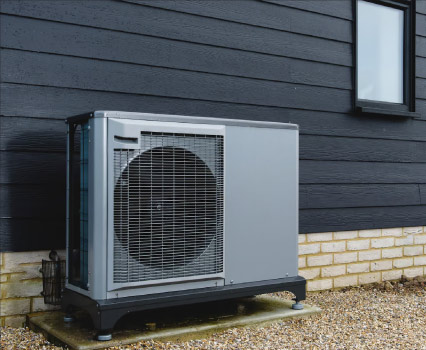
The Canadian Heat Pump Market stands at a pivotal moment. With escalating climate concerns and a growing push toward sustainable living, heat pumps have become an essential technology in transforming how Canadians heat and cool their homes. Recent market data indicate that in 2024 alone, Canada sold 487,080 heat pump units, a number expected to rise significantly to 762,435 units by 2030. This remarkable growth reflects an anticipated compound annual growth rate (CAGR) of 8.1%, underscoring the robust momentum this market is gaining nationwide.
Embracing Clean Energy Solutions
The surge in demand for heat pumps stems from their exceptional ability to provide energy-efficient heating and cooling, helping reduce reliance on fossil fuels. The latest study from Statistics Canada shows that the adoption of heat pumps increased in 2023, representing a 3% rise from 2021 statistics. Canada’s harsh winters and diverse climatic zones necessitate solutions that not only perform reliably in cold conditions but also provide homeowners with long-term energy savings. Cold-climate air-source heat pumps (ASHPs) are currently the dominant technology, accounting for nearly 87% of the market share by 2024. These systems excel in sub-zero temperatures, making them a preferred choice across residential and commercial sectors.
Government Incentives Fueling Adoption
A decisive factor accelerating heat pump adoption in Canada is the supportive federal and provincial government incentives. The flagship Greener Homes Grant has facilitated over 263,000 installations since its launch, providing substantial financial support to homeowners transitioning from traditional, fossil fuel-based heating systems. Offering up to $5,000 for cold-climate ducted ASHPs and additional benefits for ductless systems and energy evaluations, this program not only reduces upfront costs but also encourages energy-efficient choices.
Between 2020 and 2024, these incentives contributed to over 600,000 retrofit projects and approximately $3.8 billion in expected energy savings. The broader economic impact is also impressive, with an estimated 75,000 jobs generated and nearly $11 billion in consumer spending, highlighting how environmental policies can align with economic growth.
Emerging Technologies and Market Segmentation
Innovation plays a crucial role in shaping the future of the Canadian heat pump market. Alongside air-source systems, geothermal heat pumps (GSHPs) are gaining traction due to their enhanced efficiency and promise of substantial long-term savings. Though the GSHP segment currently holds about 14.3% market share, it is forecasted to grow at a CAGR of 10.1% between 2025 and 2030, driven primarily by utility pilot programs and increased environmental awareness.
Water source heat pumps (WSHPs) occupy a relatively small niche, accounting for around 1% of the market. While limited by site-specific water availability, WSHPs offer an efficient alternative where applicable.
Regional Dynamics Influence Growth Rates
Canada’s vast geography and varied climate patterns drive distinct regional trends in heat pump adoption. Ontario and Quebec lead with the highest installation rates, reflecting their large population densities and aggressive incentive programs. In 2024, these provinces accounted for adoption rates of 22.09% and 17.11%, respectively.
The Atlantic Provinces, including Nova Scotia, New Brunswick, and Prince Edward Island, collectively stand at an 8.09% adoption rate. Their relatively milder winters favor air-source heat pumps, supported by strong local government incentives. British Columbia and Alberta are experiencing emerging growth, although climate and energy use patterns somewhat temper adoption.
In contrast, the northern territories report minimal installations due to logistical challenges and extreme climate conditions, highlighting the need for innovative solutions tailored to remote and harsh environments.
Challenges and Opportunities
Despite the positive outlook, the Canadian heat pump market faces challenges. One of the most significant hurdles is the high initial investment, particularly for geothermal systems, where installation costs can range from $15,000 to $40,000 per system. This financial barrier can deter potential adopters despite the promise of up to 65% savings on energy bills in the long run.
However, these upfront costs are offset by generous government grants and incentives, long-term savings, and increasing consumer awareness. Furthermore, advancements in technology, such as variable-speed compressors, smart thermostats, and integration with solar energy systems, are enhancing the overall efficiency and appeal of heat pumps.
Competitive Landscape and Market Evolution
The Canadian heat pump market is highly competitive, with leading manufacturers such as Daikin, Mitsubishi Electric, Napoleon, Goodman, and Thermax driving innovation and market penetration. Companies focus on energy efficiency, smart home integrations, and delivering products tailored to Canadian climates.
Daikin, for example, emphasizes innovation in cold-climate units and intelligent energy management, while Mitsubishi Electric targets premium multi-zone commercial and residential systems. Napoleon and Goodman offer value and accessibility, broadening market reach. Thermax champions geothermal and renewable-integrated systems, aligning with Canada’s net-zero objectives.
The Road Ahead
Looking forward, the Canadian heat pump market is poised for sustained expansion. Projected to reach over 762,000 units by 2030, these systems are more than a trend—they represent a critical component in Canada’s journey toward Decarbonization and energy independence.
As technology continues to evolve and awareness grows, heat pumps will become an increasingly popular solution for reducing carbon footprints and energy costs. Collaborative efforts involving governments, manufacturers, utilities, and consumers will be essential in overcoming challenges and harnessing the full potential of this transformative market.
The journey to a sustainable, energy-efficient future is underway, and heat pumps are at the forefront of this transition, warmly embracing Canadian homes and businesses with innovation and environmental responsibility.