Canada Biostimulants Market Driving Sustainable Agriculture
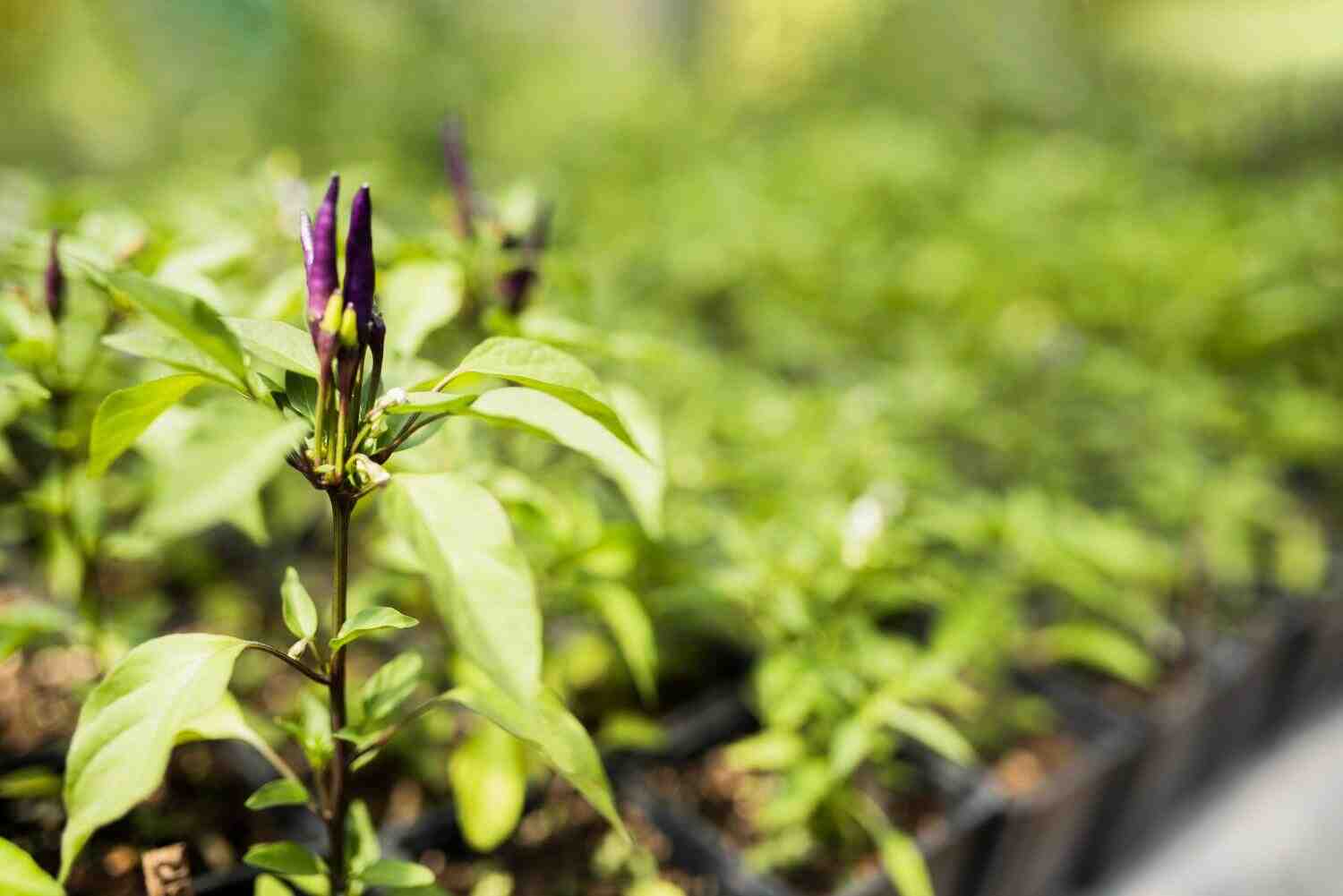
The Canadian biostimulant market is quickly emerging as a key part of sustainable agriculture, fueled by farmers' growing focus on soil health, crop resilience, and environmental care.
Bio-stimulants, natural or biological substances that promote plant growth, nutrient absorption, and stress tolerance, are increasingly seen as essential tools for modern crop management. In 2024, the market was valued at USD 362.08 million and is expected to more than double to USD 771.68 million by 2030, with a healthy CAGR of 13.4%.
This growth reflects a broader shift in Canadian agriculture towards eco-friendly inputs and sustainable farming practices, with an emphasis on boosting productivity while minimizing the chemical footprint and preserving soil health.
Why the Market Is Growing: Sustainable Farming Takes Root
The Canadian biostimulant market is experiencing strong demand from farmers looking for alternatives to traditional chemical fertilizers. These products attract growers because they improve nutrient use efficiency, promote root growth, and increase tolerance to environmental stressors such as drought, temperature fluctuations, and soil salinity.
At the core of this adoption is an industry-wide push for sustainability. With global and local pressures to reduce chemical inputs, Biosimulant offers a greener way to grow healthier crops. Canadian farmers are increasingly incorporating these products into their farming practices, not only to increase yields but also to support long-term soil health and ecosystem stability. Government programs and extension services promoting organic and regenerative farming are further encouraging the use of Biosimulant, especially in central agricultural provinces like Ontario, Alberta, and Saskatchewan.
Market Breakdown: Active Ingredients and Applications That Stand Out
The Canadian biostimulants market is divided by active ingredient, crop type, application method, and distribution channel, reflecting specific grower needs and agricultural practices.
Active Ingredient Dynamics
- Extract-based biostimulants dominate the market. These products, which include seaweed and plant extracts, hold the largest share due to their widespread use and proven benefits for improving nutrient absorption and stress resistance.
- Acid-based products, such as humic and fulvic acids, are also experiencing strong growth, with uses in soil health and fertility enhancement.
- Microbial amendments, beneficial bacteria and fungi, are increasingly popular for their capacity to enhance root systems and soil biological activity.
- The “Others” category (amino acids, vitamins, protein hydrolysates) is steadily expanding as demand for specialized formulations tailored to high-value crops grows.
Crop Types and Use Cases
Biostimulants are used across major crop categories in Canada, including row crops, fruits and vegetables, turf and ornamentals, and other specialized crops. Growers are re-adopting these products at various growth stages to improve germination rates, boost stress tolerance, and enhance overall crop quality.
Application Methods
Biostimulants are applied through various methods, including foliar sprays, soil or rhizosphere treatments, seed coatings, and fertigation or hydroponic dosing, giving growers flexibility to incorporate them into existing crop management plans.
Distribution Channels
Distribution across Canada includes direct sales/B2B, retail, online/e-commerce, and institutional or government procurement channels. Each channel helps improve accessibility and reach, especially to smaller and remote farming operations.
Regional Insights: Where Adoption Is Strongest
Biostimulant adoption in Canada is shaped by regional agricultural intensity and crop types. Provinces like Ontario, Alberta, and Saskatchewan are leading in adoption, backed by diverse farming systems and active agriculture. These areas grow key row crops and horticultural products, making them ideal for biostimulant use.
Growers in these regions are increasingly using biostimulants to address soil health issues, improve nutrient use efficiency, and mitigate the impacts of climate stressors, all of which are becoming priorities amid unpredictable weather patterns.
Trends Shaping the Canadian Biostimulants Landscape
Several trends are driving increased biostimulant demand in Canada:
- Shift toward sustainable inputs: Growers are adopting biostimulants as part of a broader movement to reduce dependence on synthetic products.
- Focus on Soil Health and Crop Resilience: Products that enhance root growth and stress tolerance are becoming more popular, especially in fields with poor soils or harsh growing conditions.
- Innovations in Formulations: Manufacturers are investing in advanced biostimulant formulations tailored to local crops and climates, boosting effectiveness and farmer confidence.
- E-commerce and Distribution Expansion: Online sales channels are increasing access to biostimulants for small and medium-sized producers, broadening market reach.
Opportunities for Brands and Agricultural Suppliers
The growing biostimulant market in Canada offers a variety of opportunities for industry players. Suppliers can develop crop-specific formulations, enhance agronomic education, and run trial programs to earn grower trust. They can also improve distribution through digital channels to reach underserved areas. Collaborations with research institutions and agricultural cooperatives further enable product validation, boost performance, and expand market acceptance. The ongoing shift toward more sustainable agriculture, driven by government initiatives and consumer demand for eco-friendly produce, highlights biostimulants as essential tools in modern crop management rather than niche inputs.