Global Luxury Perfume Market: Where Scent Becomes Identity
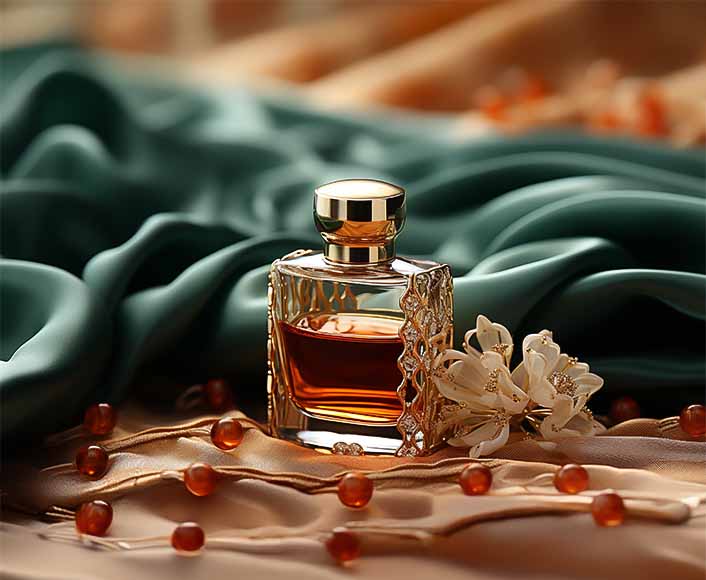
A luxury perfume often leaves a lasting impression; it's the first thing people notice and the last thing they forget. It narrates a story without words, mirrors personal style, and often shapes how individuals see themselves. This deep emotional bond is a key reason why the Global Luxury Perfume Market continues to grow consistently. In 2024, its value was approximately USD 67 billion, with projections reaching nearly USD 111 billion by 2032, reflecting a 6.5% CAGR. For both brands and consumers, luxury perfumes have evolved beyond mere products; they now serve as statements of lifestyle.
This expansion is driven by rising disposable incomes, particularly in the Asia-Pacific and the Middle East, as well as by enhanced global visibility of luxury brands through travel, digital media, and social platforms. Unlike mass-market fragrances, luxury perfumes are associated with craftsmanship, heritage, and exclusivity, enabling brands to sustain premium prices and maintain steady demand despite economic fluctuations.
Europe continues to dominate the global luxury perfume industry, leveraging centuries of fragrance expertise, extensive export networks, and legendary brand legacies. France remains a key center for production and innovation, solidifying Europe’s leading role. North America ranks as a major market for high-end perfumes, supported by established prestige beauty retail and robust discretionary spending. Meanwhile, the Asia-Pacific region is the fastest-growing, driven by urbanization, rising incomes, and younger consumers who actively engage with luxury brands online.
How Consumers Discover and Buy Luxury Perfumes
Purchasing a luxury perfume is seldom an impulsive act; rather, it is an experience. This explains why offline retail continues to lead in global sales. Physical stores enable consumers to try fragrances on their skin, observe how scents develop over time, and engage with brand narratives through expert advice. Luxury boutiques, department stores, and travel retail outlets regularly achieve higher transaction values, especially within the luxury and ultra-luxury categories.
Digital channels are transforming how consumers find fragrances. Online and direct-to-consumer channels are the fastest-growing distribution channels, particularly in North America and the Asia-Pacific. Social media, influencer endorsements, and digital storytelling play key roles in fragrance discovery. Many consumers initially discover a scent online before completing their purchase in-store, highlighting a growing collaboration between digital and physical channels instead of competition.
Consumer preferences differ across age groups. Millennials and Gen Z are attracted to niche, artisanal fragrances, discovery sets, and brands that highlight individuality and storytelling. They view perfume as a tool for self-expression and enjoy exploring various scent profiles. In contrast, older consumers and high-net-worth individuals prefer heritage brands and boutique experiences, placing importance on craftsmanship, exclusivity, and the brand’s legacy. Gifting continues to be a key factor driving demand, leading to predictable sales spikes during festive and travel seasons.
Pricing, Sampling, and What Keeps Demand Strong
Luxury perfumes exhibit distinctive pricing behaviors. Entry-level premium and high-premium scents have moderate price sensitivity, serving as accessible options in the market. Conversely, luxury and ultra-luxury fragrances tend to be less affected by price fluctuations. For these segments, elevated prices help maintain a sense of exclusivity and prestige, especially among wealthy consumers in Western Europe, North America, and the Middle East.
Sampling and discovery sets are increasingly important, particularly with the rise of online sales. Fragrance is a personal choice, and consumers prefer to try a scent before buying a full bottle. These sets minimize uncertainty, promote exploration of different collections, and boost trial-to-purchase rates. Younger consumers view discovery sets as curated experiences rather than merely promotional offers, thereby fostering repeat business and building long-term brand loyalty.
The competitive landscape comprises global luxury groups and niche fragrance houses. Leading players, including LVMH, Estée Lauder Companies, Chanel, Coty Inc., Puig, L’Oréal Luxe, Inter Parfums, Hermès, and Shiseido, continue to invest in heritage, innovation, and experiential retail.
Looking ahead, the global luxury perfume market is projected to experience steady, long-term growth. Brands that blend emotional storytelling with smart pricing, strong sampling strategies, and seamless online-offline experiences will be best positioned to capture future demand. As fragrance continues to signal identity, aspiration, and personal expression, luxury perfumes will remain among the most resilient and engaging segments of the global luxury industry.