US Vehicle Telematics Market to Reach USD 37.5 Billion by 2033, Driven by Fleet Digitalization, Connected Vehicles, and AI-Powered Mobility Solutions
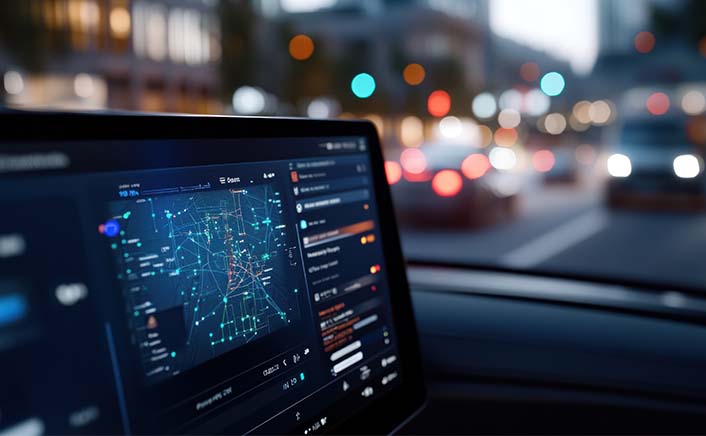
The US Vehicle Telematics Market is projected to grow from USD 16.9 billion in 2025 to USD 37.5 billion by 2033, registering a CAGR of 10.9% during the forecast period. Market growth is being fueled by increasing fleet digitalization, rising adoption of connected vehicle technologies, expansion of electric vehicle fleets, and growing demand for real-time vehicle intelligence across commercial and passenger transportation segments.
Vehicle telematics combines GPS, telecommunications networks, onboard diagnostics, cloud computing, and advanced analytics to monitor vehicle location, driver behavior, fuel consumption, maintenance requirements, and operational performance in real time. Once primarily used for fleet tracking, telematics has evolved into a strategic operational platform that enables predictive maintenance, route optimization, safety management, compliance monitoring, and connected mobility services. As transportation operators seek greater efficiency and visibility, telematics solutions are becoming integral to modern vehicle management strategies.
The United States remains one of the most advanced telematics markets globally due to its extensive commercial transportation network, mature digital infrastructure, and widespread adoption of fleet management technologies. The country operates one of the world's largest commercial vehicle fleets, creating substantial demand for connected vehicle solutions. Regulatory requirements such as the Electronic Logging Device (ELD) mandate have further accelerated telematics deployment by requiring commercial drivers to record hours-of-service data digitally, encouraging broader investment in connected fleet technologies.
Commercial fleet management continues to represent the largest revenue-generating application within the market. Logistics companies, transportation providers, construction firms, utilities, and field service organizations are increasingly utilizing telematics platforms to improve asset utilization, reduce fuel consumption, monitor driver behavior, and enhance operational efficiency. Industry studies indicate that telematics-enabled fleet management programs can reduce fuel costs by up to 15% while improving vehicle uptime through proactive maintenance scheduling and diagnostics.
The market is also benefiting from the rapid expansion of connected vehicle technologies among automotive manufacturers. Major automakers, including General Motors, Ford, Toyota, Tesla, and BMW, have significantly expanded embedded telematics capabilities across their vehicle portfolios. Connected vehicle services such as remote diagnostics, vehicle health monitoring, over-the-air software updates, stolen-vehicle tracking, and subscription-based mobility services are becoming standard features on new vehicle platforms. Industry estimates suggest that a substantial majority of new vehicles sold in the United States now include embedded connectivity capabilities, reinforcing long-term market expansion.
Fleet electrification is emerging as a major catalyst for telematics adoption. Electric vehicle fleets require advanced monitoring capabilities for battery health, charging infrastructure utilization, energy consumption, and route optimization. Major fleet operators, including Amazon, UPS, FedEx, and Walmart, have announced significant investments in electric delivery vehicles as part of broader sustainability and decarbonization initiatives. These developments are creating demand for specialized telematics platforms capable of managing increasingly complex electric fleet operations.
Artificial intelligence and advanced analytics are reshaping the competitive landscape and creating new value propositions for customers. Leading providers such as Geotab, Samsara, Motive, and Verizon Connect are integrating AI-powered capabilities into their platforms to support predictive maintenance, driver coaching, route optimization, risk detection, and operational forecasting. These solutions enable organizations to transform large volumes of vehicle-generated data into actionable business intelligence, improving both operational efficiency and safety outcomes.
Video telematics has become one of the fastest-growing segments within the market. Fleet operators are increasingly deploying camera-based monitoring systems to improve driver safety, reduce accident rates, and strengthen insurance risk management programs. The growing adoption of video analytics and AI-assisted driver monitoring reflects broader industry efforts to enhance safety performance while reducing operational liabilities.
Usage-based insurance programs are creating additional growth opportunities across the telematics ecosystem. Insurers are increasingly utilizing real-time driving behavior data to assess risk, personalize premium structures, and improve underwriting accuracy. Telematics-enabled insurance programs continue gaining traction among consumers seeking more customized insurance products and incentives for safe driving behavior.
In volume terms, the US Vehicle Telematics Market accounted for approximately 102.0 million connected vehicles in 2025 and is forecast to reach 193.0 million connected vehicles by 2033. The increasing penetration of embedded telematics systems, the expansion of fleet management deployments, and the continued growth of connected vehicle services are expected to drive a substantial increase in connected vehicle volume over the forecast period.
Technological innovation continues to accelerate market development. The deployment of 5G networks is improving data transmission speeds, enabling lower-latency communication between vehicles and cloud platforms, and supporting more advanced telematics applications. As software-defined vehicles become increasingly common, telematics systems are evolving into central intelligence platforms that support connected mobility ecosystems, vehicle-to-everything (V2X) communication, predictive maintenance, and future autonomous driving applications.
Despite favorable growth conditions, the market faces challenges related to cybersecurity, data privacy, and the complexity of system integration. As connected vehicles generate increasing volumes of sensitive operational and behavioral data, organizations must invest in secure data management frameworks and cybersecurity infrastructure. Additionally, interoperability challenges across vehicle platforms and software ecosystems continue to influence deployment strategies, particularly among large enterprise fleets.
Leading companies operating in the US Vehicle Telematics Market include Geotab, Samsara, Verizon Connect, Motive, Trimble, and Solera Fleet Solutions. Market participants are focusing on integrating artificial intelligence, cloud-native analytics platforms, video telematics capabilities, ecosystem partnerships, and recurring software subscription models to strengthen their competitive positioning and expand their customer value propositions.
The US Vehicle Telematics Market is expected to maintain strong momentum through 2033 as organizations continue prioritizing operational efficiency, safety performance, sustainability goals, and digital transformation initiatives. The convergence of connected vehicles, artificial intelligence, electrification, and advanced analytics is expected to reinforce telematics as a foundational technology within the future transportation ecosystem.