Industrial Automation and Manufacturing Reshoring Strengthen Demand for Powder-Coated Machinery and Equipment
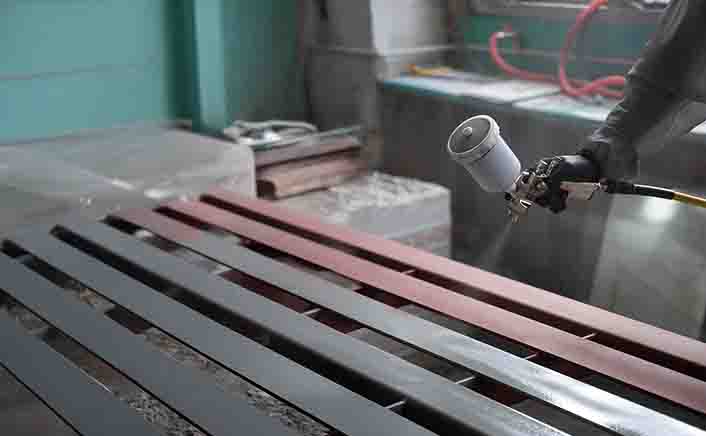
The Architectural & Construction segment, which constitutes around 21.5% of the U.S. Powder Coatings Market , stands as the largest end-use category. This is largely due to the widespread application of powder-coated aluminum extrusions, curtain walls, façades, doors, windows, railings, fencing systems, and architectural panels in commercial and institutional construction projects. Powder coatings have become the favored finishing technology for aluminum building products, thanks to their impressive resistance to UV radiation, moisture, temperature changes, and environmental pollutants, all while preserving color consistency over long periods. This segment is experiencing growth driven by ongoing investments in high-rise office towers, airports, healthcare facilities, educational campuses, sports venues, and data centers. Notably, the construction of data centers is a significant contributor to this growth, as these large facilities require powder-coated exterior cladding, cooling infrastructure, equipment housings, and electrical enclosures. Additionally, the rising adoption of super-durable and hyper-durable powder coatings, which can maintain their appearance for over two decades, has enhanced demand from architects and developers aiming for lower lifecycle maintenance costs. The segment also benefits from sustainability efforts, as powder coatings are virtually free of volatile organic compounds (VOCs), aligning with green building certification goals.
The General Industrial segment, which accounts for approximately 20.7% of market demand, is fueled by various applications within machinery, fabricated metals, industrial storage systems, material-handling equipment, compressors, pumps, generators, and manufacturing equipment. The strength of this segment reflects continued investments in U.S. industrial production, automation systems, warehouse infrastructure, and factory modernization initiatives. Powder coatings offer significant operational advantages for industrial manufacturers, often achieving transfer efficiencies above 90%, which reduces coating waste and enhances production economics. The increasing trend of reshoring and investments in advanced manufacturing facilities also foster more opportunities for powder-coated industrial products. In contrast to many liquid coating systems, powder coatings deliver superior edge coverage and impact resistance, making them particularly appealing for equipment exposed to demanding operating conditions.
The Automotive & Transportation segment, accounting for about 15.8% of the market, is undergoing a major transformation due to the rise of electric vehicle production and heightened durability demands. Powder coatings are widely utilized across wheels, battery enclosures, suspension components, seat frames, chassis parts, underbody structures, truck components, rail equipment, and EV charging infrastructure. Investments in battery manufacturing in states like Tennessee, Kentucky, Michigan, Ohio, and Georgia are generating new demand for powder-coated battery housings and thermal management components. This segment is also benefiting from stricter corrosion-resistance requirements as vehicle manufacturers seek to enhance durability while lowering warranty costs. Powder coatings provide a robust protective barrier against road salt, moisture, and mechanical wear, making them an increasingly attractive option for transportation applications.
The Appliances segment represents roughly 13.2% of total demand and remains one of the more stable end-use markets. Powder coatings find extensive application on products like refrigerators, freezers, ovens, dishwashers, washing machines, dryers, HVAC units, and water heating systems. Appliance manufacturers favor powder coatings for their excellent scratch and chemical resistance, long-term color stability, and compatibility with high-volume automated production processes. The rising consumer interest in premium appliance finishes, such as matte, textured, and metallic styles, has prompted manufacturers to adopt advanced powder coating formulations that offer enhanced aesthetic performance. Moreover, domestic appliance production continues to underpin consistent coating consumption, despite occasional fluctuations in housing activity.
The Furniture segment, which commands about 10.4% of market share, includes office furniture, educational furniture, healthcare furniture, storage systems, shelving products, and outdoor furniture applications. Powder coatings are particularly valued in this segment for their durability and design flexibility. Manufacturers of office furniture are increasingly using powder coatings to achieve premium aesthetics while ensuring resistance to scratches, abrasion, and cleaning chemicals. Outdoor furniture applications are experiencing notable growth, driven by consumer demand for weather-resistant products that can endure prolonged UV exposure and varying environmental conditions. Educational and healthcare institutions also prefer powder-coated furniture due to its durability and lower maintenance needs.