U.S. Posture Correction Wearables Market to Reach USD 414 Million by 2033 Amid Rising Ergonomic Health Concerns and Smart Wellness Adoption
The U.S. Posture Correction Wearables Market is projected to grow from USD 190 million in 2025 to USD 414 million by 2033, registering a CAGR of 10.2% during the forecast period, according to recent market intelligence analysis. The market is gaining momentum as sedentary lifestyles, prolonged screen exposure, and hybrid work cultures continue to heighten musculoskeletal health concerns across the United States.
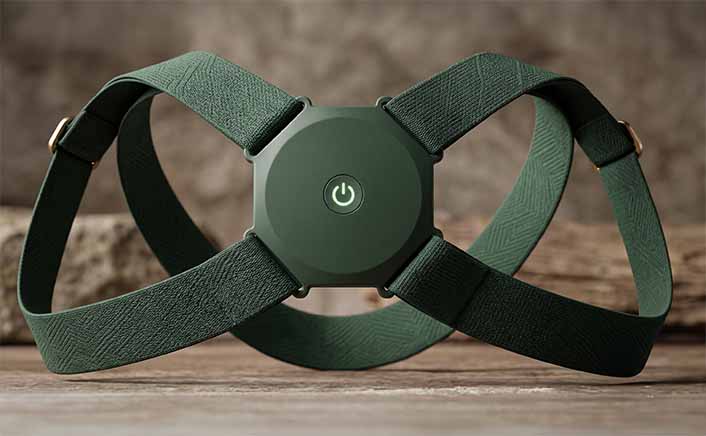
Posture correction wearables include smart posture trainers, sensor-enabled wearable correctors, and connected ergonomic devices designed to monitor spinal alignment and provide real-time corrective feedback. Unlike traditional orthopedic braces, newer-generation devices increasingly integrate mobile applications, vibration alerts, AI-driven analytics, and behavioral coaching features to improve long-term posture habits.
The expansion of remote and hybrid work models has become a major structural driver of the market. According to data from the U.S. Bureau of Labor Statistics, professional and business service occupations remain among the largest employment categories in the country, increasing exposure to prolonged sitting and desk-based work environments. At the same time, the American Chiropractic Association continues to report growing prevalence of back and neck discomfort associated with poor posture and inadequate workplace ergonomics.
Growing familiarity with wearable health technologies is also contributing to market expansion. Consumers already accustomed to fitness trackers and biometric monitoring devices are increasingly adopting posture-focused wearables as part of broader wellness and preventive healthcare routines. Industry participants are leveraging this trend by integrating posture correction into connected wellness ecosystems that combine movement tracking, breathing exercises, productivity monitoring, and ergonomic analytics.
Smart posture trainers currently account for the largest share of the market due to strong consumer demand for app-connected devices that deliver real-time posture alerts and personalized tracking insights. Workplace posture management remains the dominant application segment, as employers and remote workers seek solutions to reduce repetitive strain injuries and musculoskeletal discomfort from prolonged screen time.
The market is also witnessing increasing technological evolution. Early posture correction products primarily relied on passive support mechanisms, whereas current-generation devices use accelerometers, Bluetooth connectivity, and haptic feedback to monitor movement patterns continuously. The integration of artificial intelligence is becoming a key differentiator as vendors introduce adaptive posture-scoring systems and personalized ergonomic coaching capabilities.
Consumer behavior in the market reflects broader shifts in wellness spending and the adoption of preventive healthcare. Millennials and Gen Z consumers account for a significant share of demand due to greater familiarity with wearable technology and increased willingness to invest in digital wellness products. E-commerce platforms continue to dominate distribution channels, supported by social media marketing, wellness influencers, and direct-to-consumer product strategies.
Despite favorable growth fundamentals, the market continues to face challenges related to product retention and pricing sensitivity. Many posture wearables rely on sustained behavioral engagement, making it difficult to maintain long-term user activity levels. Additionally, the availability of lower-cost, non-smart posture correctors on online marketplaces continues to put pressure on the pricing of premium connected devices.
The integration of corporate wellness is expected to create significant long-term opportunities for market participants. Employers are increasingly investing in ergonomic health programs to improve workforce productivity and reduce absenteeism associated with musculoskeletal disorders. As posture wearables evolve into intelligent workplace wellness tools, enterprise adoption is expected to strengthen across technology, healthcare, and professional service industries.
The competitive landscape remains moderately fragmented, with companies competing through wearable comfort, app integration quality, AI-enabled coaching features, and subscription-based engagement models. Leading players continue to focus on product innovation and ecosystem expansion to strengthen long-term consumer retention and differentiate within the broader wearable wellness technology sector.