Textile and Apparel Industry Maintains Leadership While Home Furnishings and Healthcare Applications Drive Market Expansion
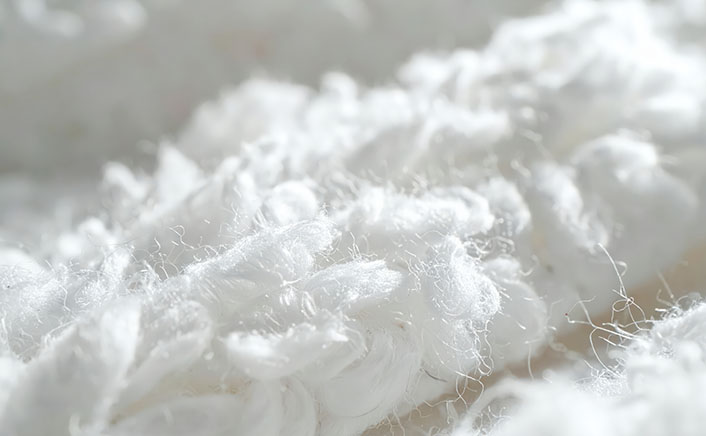
The Textile & Apparel segment constitutes approximately 28.5% of total Polyester Staple Fiber consumption in the U.S. making it the largest end-use category. This is largely due to the extensive application of polyester in spun yarns, blended fabrics, activewear, workwear, and fashion textiles. Unlike natural fibers that may be subject to supply volatility and higher production costs, polyester staple fiber provides consistent quality, durability, wrinkle resistance, and lower manufacturing expenses. Recently, this segment has seen an increasing influence from the shift toward recycled polyester, as major apparel brands enhance their sustainability programs and commit to sourcing recycled fibers. Demand remains particularly robust among manufacturers of performance apparel and polyester-cotton blended fabrics, where polyester's characteristics contribute to improved durability and moisture management.
The Home Furnishings & Bedding segment follows as the second-largest consumer of polyester staple fiber in the U.S., accounting for approximately 22.0% of the market. This segment consumes substantial quantities of hollow conjugated and siliconized fibers used in products such as pillows, comforters, mattresses, cushions, upholstered furniture, and carpet underlays. The U.S. bedding industry is one of the most fiber-intensive sectors, with polyester fiberfill offering an appealing blend of softness, resilience, and affordability. The ongoing demand for replacements in the residential furniture market further supports stable fiber consumption, even amidst broader economic uncertainties.
The Healthcare & Hygiene segment, which makes up around 11.2% of the market, has emerged as one of the fastest-growing areas, driven by increased usage of medical disposables, hygiene products, wipes, wound-care materials, and nonwoven healthcare textiles. Polyester fibers are increasingly favored in products that require durability, filtration efficiency, and moisture resistance. Concurrently, the Automotive sector accounts for 9.5% of market demand, benefiting from a growing reliance on polyester-based nonwovens for headliners, insulation materials, carpeting, trunk liners, and seat components. As vehicle manufacturers continue to emphasize lightweight materials and the integration of recycled content, the consumption of polyester staple fiber in automotive applications is anticipated to grow.
The Industrial Manufacturing, Construction, and Filtration segments together represent nearly 20% of market demand, underscoring the rising significance of technical and engineered applications. Polyester staple fibers find widespread usage in geotextiles, drainage fabrics, erosion-control systems, industrial filters, HVAC filtration media, and acoustic insulation products. These applications are buoyed by infrastructure investments, manufacturing modernization efforts, and stricter air-quality regulations. Overall, while textiles and home furnishings dominate volume consumption, future market growth is increasingly driven by healthcare nonwovens, technical filtration products, automotive applications, and high-performance industrial materials necessitating specialized polyester fiber properties.