From Curbside to Corporate: How Collection Channels Fuel the U.S. Plastic Recycling Market
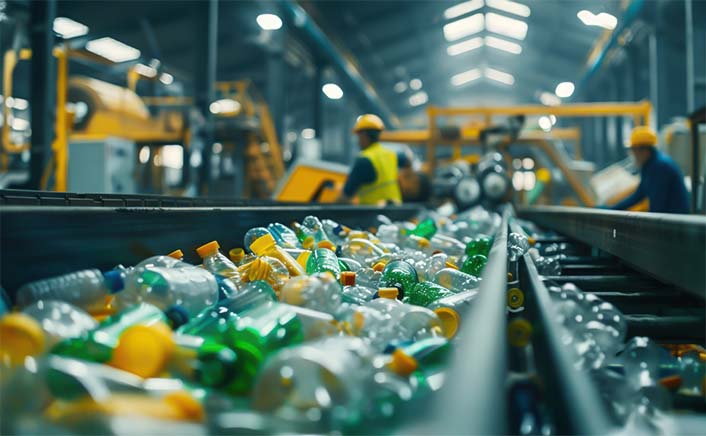
The U.S. Plastic Recycling Market is fundamentally anchored in a well-organized collection and distribution system, which plays a vital role in enhancing recycling rates and ensuring a smooth flow of materials from consumers and industries to recycling facilities. Municipal collection programs primarily lead this market, accounting for an estimated 45.91% share. This dominance reflects the widespread implementation of curbside and centralized collection initiatives throughout cities and towns.
In 2024, the U.S. generated approximately 41.8 million tons of plastic waste, and this volume is projected to grow to 57 million tons by 2033.
These programs form the backbone of the recycling infrastructure in the U.S., efficiently collecting substantial volumes of post-consumer plastics, especially PET bottles, HDPE containers, and widely used packaging materials. The advantages of municipal programs are bolstered by established logistics networks, public awareness campaigns, and local government support, which contribute to consistent household participation. The effectiveness and extensive reach of these programs greatly enhance overall recovery rates in the U.S. plastic recycling market, providing a stable supply of feedstock to mechanical and advanced recycling facilities.
Following closely, industrial and commercial collection holds the second-largest share at 28.09%, underscoring the significant role that businesses and manufacturers play in the recycled plastics supply chain. Large-scale industrial operations, packaging facilities, and retail chains produce considerable amounts of post-industrial plastic waste, often cleaner and easier to process than post-consumer materials.
Companies within this segment benefit from contractual arrangements with recyclers, on-site waste management services, and efficient segregation practices, all of which boost material quality. Industrial collection is crucial for ensuring a steady supply of high-value plastics like HDPE and polypropylene (PP), essential for producing recycled products, including containers, automotive components, and construction materials. The growth of this segment is further propelled by corporate sustainability initiatives, extended producer responsibility (EPR) mandates, and ESG compliance requirements, which encourage businesses to divert plastic waste from landfills and incorporate it into the recycling ecosystem.
Private waste management companies represent about 16% of the U.S. plastic recycling market, serving an important role in connecting municipal programs and industrial collection. These companies offer specialized collection, sorting, and logistical solutions, particularly in areas where municipal infrastructure is limited or in collaboration with businesses to manage complex waste streams. Increasingly, private recyclers invest in advanced sorting technologies, such as AI-enabled optical sorters and automated conveyor systems, to boost material recovery and minimize contamination.
This investment enhances the efficiency of the U.S. plastic recycling market and allows for the recovery of a broader range of polymer types, including LDPE, PS, and other specialty plastics that have typically posed more recycling challenges. By providing flexible solutions, private companies complement public and industrial collection systems, broadening coverage and increasing the overall volume of processed plastics.
Deposit and return schemes, while accounting for a smaller segment with a 10% market share, have a highly positive impact. These programs aim to incentivize consumers to return beverage containers and eligible plastics in exchange for refunds or deposits, thereby promoting a high recovery rate for PET bottles and other in-demand recyclable materials. Though their coverage is limited to specific states and product categories, these schemes have proven effective in improving material quality and reducing contamination within the U.S. plastic recycling market. The high purity of plastics collected through these programs enhances their value for bottle-to-bottle recycling and high-quality rPET applications. Moreover, these schemes foster behavioral changes among consumers, raising awareness about recycling's importance and cultivating a sustainability culture that benefits various collection channels.
The interaction among these four channels municipal collection, industrial and commercial collection, private waste management companies, and deposit/return schemes is crucial for the effective operation of the U.S. plastic recycling market. Each channel addresses different segments of the waste stream and complements the others, together creating a comprehensive collection ecosystem that supports both domestic recycling efforts and export-oriented operations. In the future, the market is anticipated to experience greater integration of digital tracking, automated sorting, and chemical recycling technologies across all collection channels, enhancing efficiency and recovery rates. Policy support, technological advancements, and corporate sustainability commitments will play pivotal roles in this evolution.