Mountain Bikes: Conquering Trails and Adventure: The Growing Popularity of Mountain Bikes in the U.S.
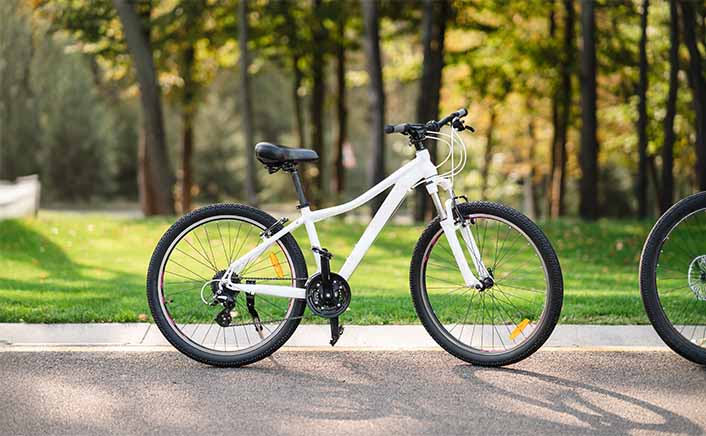
The U.S. bicycle Market features a diverse array of products tailored to meet various consumer needs, preferences, and riding environments. Mountain bikes lead the market, holding an estimated 25% share, primarily due to the ongoing popularity of off-road cycling and recreational trail riding. These bikes cater to a wide range of riders, from casual weekend enthusiasts to serious off-road adventurers, thanks to their versatility, durability, and advanced suspension systems that enhance the riding experience. The growth in mountain bike popularity is further supported by increased access to trails and outdoor spaces, as well as a rise in participation in cycling-related sports and events. Manufacturers are consistently innovating in this segment, introducing lighter frames, improved gearing systems, and enhanced braking technologies, all of which contribute to higher consumer demand and sustained market leadership.
Following mountain bikes, hybrid and city bikes account for about 33% of the market, reflecting a growing preference for bicycles as practical and eco-friendly transportation options in urban areas. These bikes merge the comfort and stability of city models with features from road and mountain bikes, making them ideal for commuting, running errands, and enjoying casual rides. Hybrid bikes are especially appealing to urban residents seeking cost-effective and sustainable alternatives to cars, and the rise of bike-sharing programs, as well as improvements in infrastructure like dedicated bike lanes, have further promoted their adoption. Additionally, increasing consumer awareness around health and fitness has led more individuals to incorporate cycling into their daily routines for exercise and stress relief.
Road bikes, which make up approximately 15% of the market, continue to attract enthusiasts and professional cyclists focused on speed, performance, and long-distance riding. These bikes are favored by both competitive riders and recreational cyclists who participate in organized events, races, and endurance challenges. The continued demand for road bikes is bolstered by technological advancements, such as lightweight carbon frames and aerodynamic designs, enhancing efficiency and performance. While smaller than the mountain and hybrid segments, the road bike market boasts a dedicated consumer base willing to invest in premium models, thereby significantly contributing to overall market revenue.
A noteworthy segment is electric bicycles (e-bikes), which represent around 6% of the U.S. bicycle market. E-bikes, including pedal-assist and throttle-powered variants, are fostering considerable growth by making cycling accessible to a wider demographic, including older adults and commuters. The surge in e-bike popularity can be attributed to urban commuting trends, environmental awareness, and the appeal of convenient transportation that reduces reliance on cars. Technological innovations, such as longer battery life and improved motor efficiency, further enhance consumer adoption. The premium price point of e-bikes also elevates their contribution to market revenue, underscoring their strategic importance for manufacturers and retailers.
Additional segments, though smaller, play significant roles in the market. Cruiser bikes and kids’ bikes each account for 6%, catering to lifestyle preferences and family-oriented cycling. Cruiser bikes appeal to casual riders who prioritize comfort and style for leisurely outings, while kids’ bikes facilitate youth engagement with cycling, fostering long-term brand loyalty. BMX bikes, making up 5% of the market, cater to recreational and stunt cycling enthusiasts, driven by the popularity of BMX sports and freestyle events. Folding bikes, also at 5%, address urban mobility needs by providing convenient portability for commuters who integrate cycling with public transport. Finally, performance and racing bikes (3%) and cargo bikes (1%) address specialized requirements, with performance bikes targeting competitive cyclists and cargo bikes appealing to families and urban riders needing utility.
Overall, the U.S. bicycle market showcases a balanced distribution of different product types, reflecting a wide range of consumer preferences and riding purposes. While mountain and hybrid bikes dominate unit sales due to recreational and commuting uses, road and e-bikes are key revenue drivers because of their higher price points and increasing popularity. Niche products, such as BMX, folding, performance, and cargo bikes, play crucial roles in meeting specific lifestyle and mobility needs. The market continues to evolve through technological advancements, infrastructure development, and shifting consumer behaviors.