U.S. Metal Fabrication Market to Reach USD 170.2 Billion by 2033 Amid Infrastructure Modernization and Industrial Reshoring Initiatives
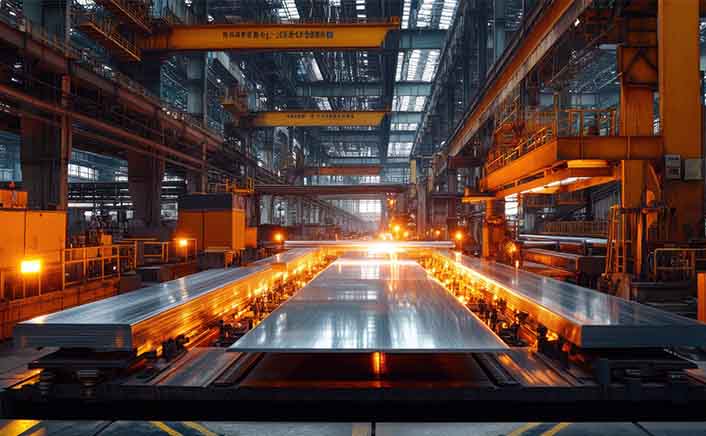
The U.S. Metal Fabrication Market was valued at USD 113.5 billion in 2025 and is projected to reach USD 170.2 billion by 2033, growing at a CAGR of 5.2% during the forecast period, according to recent industry analysis. Large-scale infrastructure modernization programs are driving market expansion, accelerating industrial reshoring initiatives, spurring the recovery of aerospace manufacturing, and increasing the adoption of automated fabrication technologies across U.S. manufacturing facilities.
Metal fabrication involves the cutting, bending, machining, welding, and assembly of metal components used across construction, automotive, aerospace, industrial machinery, energy, defense, and transportation sectors. Fabricated metal products serve as essential intermediate components within the U.S. industrial economy, supporting applications ranging from structural steel systems and HVAC assemblies to precision-machined aerospace parts and industrial equipment enclosures.
Infrastructure investment is emerging as one of the strongest growth catalysts for the industry. The Bipartisan Infrastructure Law and Inflation Reduction Act are supporting substantial federal spending across bridges, transportation systems, renewable energy facilities, utilities, rail modernization, and industrial construction projects. These investments are significantly increasing demand for fabricated structural steel, industrial piping systems, utility enclosures, metal framing systems, and heavy equipment components. Construction and infrastructure applications currently account for the largest share of U.S. metal fabrication demand.
Industrial reshoring trends are also strengthening domestic fabrication activity. Manufacturers across the automotive, industrial equipment, and energy sectors are increasingly localizing supply chains to reduce dependence on overseas suppliers following pandemic-related disruptions and geopolitical uncertainties. U.S.-based fabrication suppliers are benefiting from increased procurement activity tied to domestic manufacturing expansion, particularly in the Midwest and Southern industrial corridors.
Automotive manufacturing remains another major contributor to market growth. Electric vehicle production facilities require extensive fabricated metal components, including battery enclosures, chassis assemblies, robotic production structures, conveyor systems, and thermal management housings. Companies including Ford Motor Company, General Motors, and Tesla continue expanding EV manufacturing capacity across the United States, supporting long-term demand for advanced fabrication services and precision-machined components.
Aerospace and defense manufacturing's recovery is further contributing to demand for high-value fabrication. Commercial aircraft production expansion and rising defense procurement programs are increasing demand for fabricated aluminum, titanium, and specialty alloy components used in aircraft structures, propulsion systems, military vehicles, and mission-critical equipment. Precision fabrication suppliers serving aerospace and defense customers continue to benefit from premium pricing due to stringent certification and engineering requirements.
Technology modernization in the industry is increasingly focused on CNC machining, robotic welding, laser-cutting systems, and Industry 4.0-enabled manufacturing processes. Fabricators are investing in automated production systems to improve throughput, reduce material waste, and address persistent skilled labor shortages across welding and machining operations. Advanced fabrication facilities are also integrating IoT-connected machinery and AI-assisted production monitoring systems to improve operational efficiency and predictive maintenance capabilities.
Despite strong industrial demand, the market continues to face challenges from raw material price volatility and import competition. U.S. steel and aluminum prices have fluctuated substantially since 2021 due to supply disruptions, energy costs, and geopolitical instability, affecting fabrication margins and long-term project pricing strategies. Imported fabricated products from China, Mexico, and Southeast Asia continue to create pricing pressure across lower-value commodity fabrication categories.
Leading companies operating in the market include Mayville Engineering Company, O'Neal Manufacturing Services, Ryerson Holding Corporation, and ATI. Competitive positioning is increasingly focused on automation capabilities, engineering specialization, integrated assembly services, and long-term OEM partnerships across aerospace, automotive, and industrial manufacturing sectors.
As infrastructure investment, industrial modernization, and domestic manufacturing expansion continue accelerating, the U.S. metal fabrication market is expected to maintain stable long-term growth through 2033 despite ongoing pricing and labor-related operational challenges.