Mechanical, Pyrometallurgical, and Hydrometallurgical Recycling: Key Drivers of U.S. Lithium-Ion Battery Growth
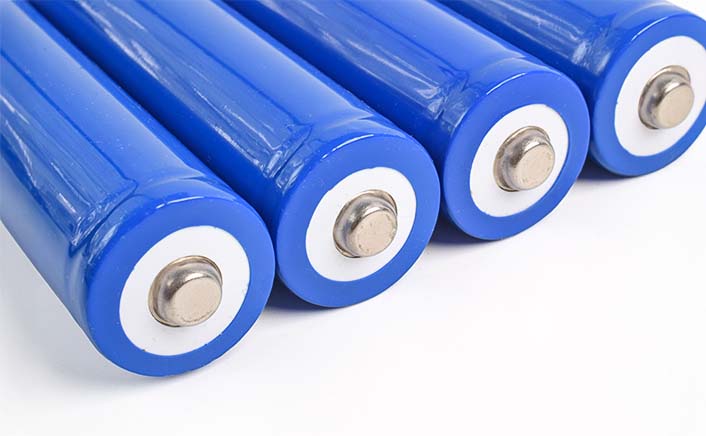
The U.S. Lithium-Ion Battery Recycling Market is currently experiencing significant growth, largely fueled by the rising adoption of electric vehicles (EVs), expansion in consumer electronics, and the increasing implementation of energy storage systems (ESS). A pivotal element influencing this market is the type of recycling process utilized, which directly affects material recovery efficiency, operational expenses, and the overall sustainability of battery lifecycles.
Among the various recycling methods, mechanical recycling dominates the market with a share of 37.61%. This method, which involves shredding, crushing, and sorting, is favored for its cost-effectiveness, scalability, and capability to handle a broad range of battery types, including both small consumer batteries and larger industrial or EV batteries. It serves as the foundation for most recycling operations by enabling the separation of metals, plastics, and other components before these materials proceed to additional chemical or thermal recovery processes.
The established infrastructure in urban and industrial areas, along with the increasing volume of end-of-life lithium-ion batteries in the U.S., underpins the widespread use of mechanical recycling. This approach also simplifies transportation and handling logistics, while facilitating effective pre-sorting, which is essential for minimizing contamination and enhancing recovery yields downstream.
Pyrometallurgical recycling, which includes smelting and high-temperature metal recovery, is the second-largest segment of the market, accounting for 28.11%. This method is particularly adept at recovering valuable metals like cobalt, nickel, and copper from EV and industrial batteries. Despite being energy-intensive, pyrometallurgical recycling is well-established and adept at managing complex battery chemistries, making it a vital component of the U.S. Lithium-Ion Battery Recycling landscape.
Many prominent battery recyclers depend on this method to consistently recover high-quality metals that can be reused in battery production or other industrial sectors. It also contributes to domestic metal supply chains, reducing reliance on imported raw materials and advancing national sustainability and energy security initiatives.
Hydrometallurgical recycling, which employs chemical leaching and selective metal recovery, holds a 20.19% share of the market. This approach is gaining popularity due to its higher recovery efficiency, lower energy requirements relative to pyrometallurgical methods, and favorable environmental impact. Hydrometallurgical techniques facilitate the selective extraction of lithium, cobalt, nickel, and manganese in high purity, essential for producing new battery materials without necessitating further refining. Companies such as Li-Cycle, Redwood Materials, and Battery Resourcers are increasingly investing in hydrometallurgical technologies, emphasizing sustainable, closed-loop recycling practices. The surging demand for EV batteries, combined with stricter environmental regulations and corporate sustainability goals, is likely to propel the adoption of hydrometallurgical methods in the near future.
Direct recycling, often referred to as battery refurbishment or cathode/anode material recovery, currently constitutes 14.09% of the U.S. Lithium-Ion Battery Recycling market. While this segment is smaller, it represents an innovative approach focusing on recovering cathode and anode materials that can be reused directly in new batteries. Direct recycling minimizes the degradation of active materials, helping to lower energy consumption and production costs associated with new battery chemistries. This method aligns with the principles of a circular economy and provides significant sustainability benefits, including reduced carbon emissions and decreased reliance on virgin raw materials. As EV adoption and energy storage applications continue to expand, direct recycling is anticipated to grow swiftly, bolstered by technological advancements and collaborative efforts among automakers, battery manufacturers, and recyclers.
In summary, the U.S. Lithium-Ion Battery Recycling market is enhanced by a diverse array of complementary recycling processes that cater to various battery chemistries, formats, and volumes. Mechanical recycling ensures efficient high-volume processing, pyrometallurgical methods focus on recovering critical metals from complex batteries, hydrometallurgical techniques yield high-purity metal outputs, and direct recycling promotes sustainable, high-value material reuse. This combination of processes not only supports the increasing demand for recycled battery materials but also fortifies the domestic supply chain for key metals, encourages sustainability, and fosters practices aligned with the circular economy. As the market evolves, further integration of cutting-edge technologies, automation, and digital tracking systems across these recycling processes is expected to improve efficiency, decrease operational costs, and bolster overall effectiveness.