U.S. Industrial Filtration Market Insights: Segment-Wise Forecasts, CAPEX Trends, and High-Value Opportunities Across Industries
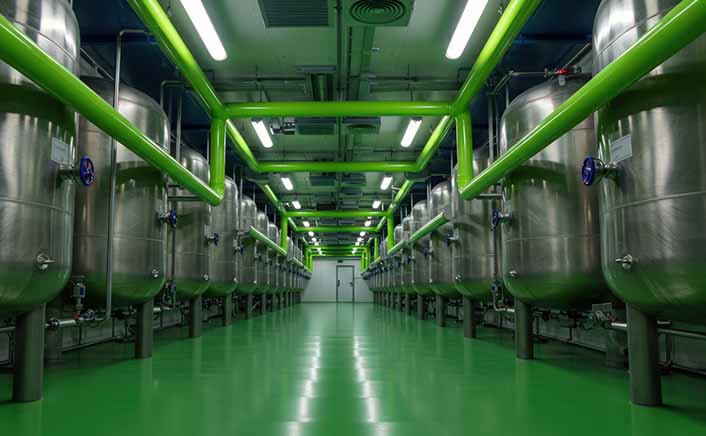
The U.S. industrial filtration market is currently experiencing steady growth, fueled by a mix of regulatory pressures, technological innovations, and increased industrial production across various sectors. Industrial filtration is vital for maintaining process efficiency, ensuring worker safety, and minimizing environmental impact in industries such as oil & gas, chemicals & petrochemicals, power generation, food & beverage, pharmaceuticals, water & wastewater treatment, metals & mining, pulp & paper, electronics & semiconductors, cement & construction, and automotive. In 2024, the market volume is projected to reach approximately 200 million units, with expectations of rising to 325 million units by 2033, marking a compound annual growth rate (CAGR) of about 5.8% from 2027 to 2033. The average selling price per unit is anticipated to increase from USD 80 in 2024 to USD 150 by 2033, resulting in market revenue growth from USD 16 billion to USD 48.8 billion during the same period, with a CAGR of 10.4%. This growth reflects both volume increases and a gradual transition towards higher-value, technologically sophisticated filtration solutions.
Air filtration products, which include HEPA filters, dust collectors, and mist collectors, account for a substantial portion of the market, driven by the rising demand for clean, contaminant-free environments especially in high-precision industries such as pharmaceuticals, electronics manufacturing, and food & beverage processing. HEPA filters alone represent approximately 14% of the market, underscoring their essential role in cleanroom applications and compliance with EPA and OSHA air quality standards. Dust collectors, making up around 13% of the market, primarily support cement plants, metal fabrication, and bulk material handling operations, where effective particulate management is crucial for worker safety and regulatory adherence. Mist collectors capture a smaller market share at about 5%, yet they are vital in the chemical and metalworking sectors for managing oil mist, smoke, and aerosols. Electrostatic precipitators, making up roughly 4% of the market, are employed for emissions control and industrial air purification, particularly in power generation and heavy manufacturing. The push for sustainability is further driving the adoption of air filtration systems, as industries seek energy-efficient, long-lasting filters to lower operational costs and reduce their environmental footprint.
Liquid filtration systems including filter presses, bag filters, cartridge filters, drum filters, depth filters, and membrane filters together represent nearly 41% of the market. Their widespread application spans industrial water treatment, chemical processing, and oil & gas operations. Filter presses hold about 12% of the market share and are crucial for dewatering, sludge separation, and chemical clarification, especially in oil refineries and wastewater treatment plants. Bag and cartridge filters account for 11% and 10%, respectively, and are essential for process filtration in manufacturing, ensuring consistent adherence to product quality and environmental standards. Membrane filters, which comprise about 9% of the market, are rapidly gaining traction in water recycling, ultrafiltration, and reverse osmosis applications, spurred by municipal and industrial sustainability requirements. Activated carbon filters, making up approximately 7%, are key in adsorbing chemical contaminants and eliminating odors in both air and liquid streams, further supporting compliance and environmental management goals.
Analyzing the end-use industries, oil & gas (18%) and chemicals & petrochemicals (16%) hold a dominant position in market demand, reflecting the extensive needs for process fluid filtration, emissions control, and environmental compliance. Power generation (12%) and water & wastewater treatment (9%) follow closely, driven by strict emission and effluent regulations, the need for plant upgrades, and a growing emphasis on energy-efficient solutions. The food & beverage (10%) and pharmaceuticals (8%) sectors contribute significantly due to their stringent contamination control requirements and regulatory mandates for high-purity filtration systems. Specialty segments such as electronics & semiconductors (6%), metals & mining (7%), pulp & paper (5%), cement & construction (5%), and automotive (3%) heavily rely on tailored filtration solutions to ensure operational efficiency, product quality, and compliance with safety and environmental regulations. These sectors highlight the importance of precision and high-value filtration technologies, which often yield higher unit prices and contribute disproportionately to overall market revenue.
Capital expenditure (CAPEX) plays a critical role in market growth, with U.S. industrial facilities projected to invest between USD 8–10 billion annually by 2025 in upgrading, replacing, and installing new filtration systems. Typically, CAPEX allocations include 35% for air filtration systems, 30% for liquid filtration systems, and advanced integrated filtration solutions.