U.S. Induction Furnace Market by Power Rating: How 1–5 MW Systems Are Reshaping Foundry Modernization Investments
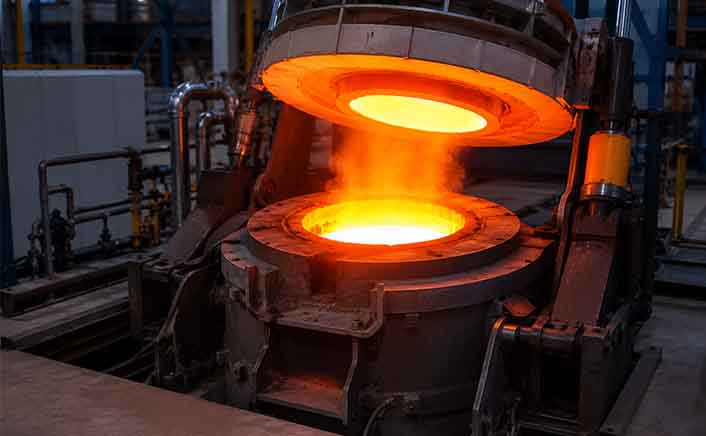
The 1–5 MW power rating segment holds a significant position in the U.S. Induction Furnace Market , accounting for approximately 41.8% of total revenue. This segment is the largest revenue contributor due to its close alignment with the operational needs of the nation’s core foundry and metal casting infrastructure. Iron foundries, steel foundries, aluminum casting facilities, and non-ferrous metal processors typically require power levels that support efficient melting cycles while keeping electricity consumption and capital costs manageable. Manufacturers supplying automotive castings, components for agricultural equipment, industrial machinery parts, construction equipment castings, pumps, valves, and general engineering products often utilize furnaces in this power range. The segment enjoys the advantage of processing a diverse array of metals and batch sizes without necessitating the extensive electrical infrastructure investments required for higher-power systems. In many cases, 1–5 MW induction furnaces act as the primary melting units, facilitating rapid charge melting, better temperature control, and enhanced metallurgical consistency compared to traditional combustion-based technologies. The ongoing replacement of aging cupola and fuel-fired furnaces is bolstering demand in this category, particularly among mid-sized manufacturers aiming for energy efficiency and environmental compliance.
The 5–10 MW segment, which represents about 28.6% of total market revenue, is increasingly utilized by larger industrial foundries, specialty alloy producers, and metal recycling operations. Facilities operating within this power range typically require higher throughput and more intensive production rates. Demand is particularly robust among producers of ductile iron castings, steel castings, copper alloys, and engineered metals for infrastructure, energy, defense, rail transportation, and heavy industrial applications. The growing focus on utilizing recycled metals has further spurred the adoption of furnaces in this category, given their capacity to efficiently process large volumes of scrap while maintaining precise control over chemical composition. Secondary metal processors and alloy manufacturers often prefer 5–10 MW systems, as they provide a favorable balance between production scale and operational flexibility. This segment also benefits from increased investment in domestic manufacturing capacity, as supply chain localization initiatives encourage the domestic production of cast and forged metal components. Facilities producing transformer components, electrical connectors, industrial motors, mining equipment parts, and renewable energy infrastructure components frequently turn to induction systems in this power category.
The segment exceeding 10 MW accounts for around 15.4% of market revenue but features a smaller number of installations with significantly higher average equipment values. These systems are typically found in large-scale steelmaking operations, integrated alloy production facilities, and high-capacity industrial melting environments, where production volumes justify substantial electrical power requirements. Although installations in this category are relatively limited, each represents a major capital investment involving advanced power electronics, cooling systems, refractory technologies, automation platforms, and electrical infrastructure upgrades. Demand is increasingly driven by specialty steel production, aerospace-grade alloy manufacturing, defense-related metallurgical processing, and large industrial casting operations. High-power induction furnaces are particularly sought after in applications requiring stringent metallurgical quality standards, precise temperature control, and minimized contamination risks. The growing emphasis on domestically produced specialty metals has catalyzed investment in larger induction systems capable of meeting complex production needs. Furthermore, facilities catering to advanced manufacturing sectors, including aerospace engines, military systems, semiconductor equipment, and high-performance industrial machinery, increasingly favor large induction melting systems to achieve tighter quality tolerances and greater process repeatability.
The up to 1 MW segment, which comprises about 14.2% of market revenue, caters to a specialized yet essential portion of the industry. These furnaces are commonly employed in research laboratories, educational institutions, prototype manufacturing facilities, precious metal refining operations, dental alloy production, specialty casting applications, and small-scale foundries. While shipment volumes can be relatively high due to the larger number of small units sold, their lower average selling prices contribute to a reduced overall revenue impact from this segment. Demand is frequently associated with material development activities, custom alloy production, pilot-scale manufacturing, and precision metal processing applications where production volumes are tailored to specific needs.