U.S. Ground Support Equipment Market Driven by Aircraft Handling Automation and Airport Electrification Trends
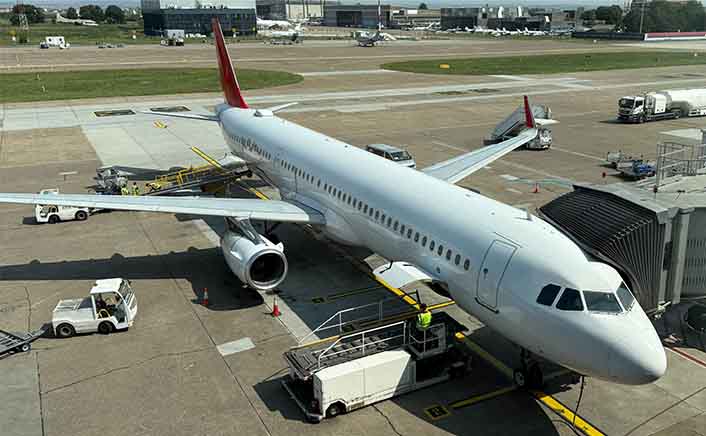
The U.S. Ground Support Equipment Market is significantly influenced by aircraft handling, which holds an estimated 31% share. This segment is crucial as it encompasses the operational core of airport ramp activities, directly impacting aircraft turnaround efficiency, gate utilization, and airline profitability. Aircraft handling involves various functions such as pushback operations, towing, aircraft positioning, ramp coordination, and power systems essential for virtually every commercial aircraft movement. With U.S. airports managing millions of aircraft operations annually, enhancing ground movement efficiency is becoming increasingly vital amidst rising passenger traffic and fleet density. Airlines face continuous pressure to minimize turnaround times; even a 10-minute delay can disrupt entire flight networks and significantly elevate operational costs. This urgency is driving investments in towbarless tractors, autonomous tugs, connected fleet systems, and AI-based ramp coordination platforms, all aimed at improving gate efficiency and reducing idle time. Additionally, the trend towards electric aircraft handling equipment is swiftly gaining momentum as airports prioritize lower ramp emissions and decreased fuel dependency.
In the cargo handling segment, which constitutes approximately 21% of the market, rapid growth is attributed to the surge in e-commerce driven air freight operations. Cargo airports and logistics hubs are increasingly in need of automated container loaders, high-capacity belt systems, pallet transporters, and intelligent cargo handling platforms to support growing shipment volumes. The escalation of time-sensitive freight operations has intensified the demand for improved loading and unloading speeds to minimize turnaround delays. Major cargo hubs are integrating automated cargo handling systems with IoT sensors, predictive maintenance software, and AI-driven fleet management platforms to enhance operational throughput. Moreover, specialized heavy-duty loaders and high-capacity handling systems are required for wide-body freighter aircraft, leading to increased equipment investments in cargo airports.
Passenger handling makes up nearly 16% of the market as airports invest heavily in terminal modernization, boarding infrastructure, and passenger flow optimization technologies. Equipment such as passenger boarding stairs, bridge support systems, mobility assistance vehicles, and ramp transportation are being incorporated into broader airport digitization programs. Airports are particularly focused on enhancing passenger boarding efficiency, as delays during gate operations can directly impact turnaround schedules and contribute to terminal congestion. Several major airports are modernizing their ground support infrastructure to address the increasing recovery of passenger traffic and the rising utilization rates of narrow-body aircraft.
Approximately 11% of market demand stems from aircraft maintenance operations, which rely on specialized maintenance platforms, inspection equipment, hydraulic servicing systems, and technical support vehicles. The aging U.S. commercial aircraft fleet is heightening the need for maintenance-related ground equipment, as airlines extend the operational lifecycle of their aircraft amidst ongoing delivery backlogs. Maintenance activities also necessitate reliable ground power units and auxiliary systems capable of supporting avionics diagnostics, cabin servicing, and technical inspections independently of aircraft engines. Airlines and MRO providers are increasingly utilizing connected maintenance equipment that enables real-time monitoring of operational performance, equipment wear, and servicing efficiency.
Aircraft refueling represents about 10% of the market and remains essential, despite trends towards electrification in airport infrastructure. The demand for commercial aviation fuel is expanding alongside increasing flight activity, ensuring stable demand for advanced refueling vehicles, hydrant dispensers, and fuel transfer systems. Modern refueling equipment now often features digital flow monitoring, automated fueling controls, and safety management technologies to enhance efficiency and compliance with regulatory standards. Investments in environmentally safer fueling systems are also gaining traction to reduce spill risks and improve operational oversight on busy ramps.
Ground power and air conditioning systems comprise roughly 6% of the market and are becoming strategically important due to the rising electrical loads of modern aircraft. These aircraft heavily rely on onboard electronics, cabin systems, and avionics, even when stationary at gates. Airports are increasingly adopting electric and hybrid ground power units to provide stable power without the need for auxiliary power unit engine operation, which significantly decreases fuel consumption, ramp emissions, and noise pollution around terminals. Battery electric GPUs and preconditioned air systems are rising in popularity as airports actively pursue sustainability targets and initiatives aimed at carbon reduction.