How Retailers Are Expanding Gluten-Free Buns, Rolls, and Artisan Bread to Meet Evolving U.S. Demand
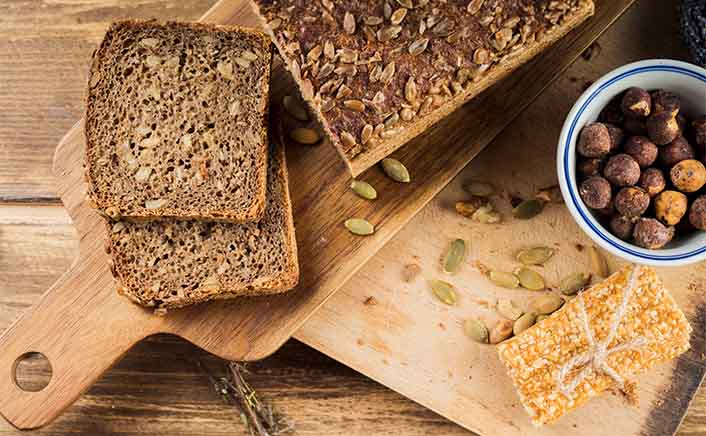
The U.S. Gluten-free bread Market showcases a clear segmentation by product type, with sliced bread leading the pack and holding about 55% of the market share. This prominence reflects its status as a staple choice for many consumers. Sliced bread, available in options such as white, multigrain, and whole grain, benefits from convenience, consistent quality, and versatility for everyday use. The popularity of this segment is largely driven by households seeking familiar products that can effectively replace traditional wheat-based bread while accommodating dietary needs related to celiac disease, non-celiac gluten sensitivity (NCGS), or general health-conscious choices. Its widespread availability in supermarkets, hypermarkets, and an increasing presence in online retail channels has bolstered access for consumers looking to purchase gluten-free slices for sandwiches, breakfast, and snacks. Major brands like Udi’s Gluten Free and Canyon Bakehouse have invested significantly in this category, focusing on enhancing texture, extending shelf life, and improving flavor, which has helped to maintain consumer loyalty and market leadership.
Buns and rolls capture around 15% of the market, primarily positioning themselves around convenience and meal-specific uses. These products are commonly favored for sandwiches, burgers, and on-the-go meal solutions, appealing to consumers in search of versatile gluten-free options beyond the traditional sliced bread. Their increasing adoption in the foodservice sector, particularly among quick-service restaurants and cafes, has further boosted their popularity as these establishments offer gluten-free alternatives to meet dietary restrictions and consumer demand for inclusive menu options. Although this segment holds a smaller market volume compared to sliced bread, it has experienced steady growth thanks to its integration into both retail and dining environments, complemented by innovations that enhance texture and taste, thereby narrowing the gap between gluten-free and conventional bread.
Bagels and English muffins, constituting approximately 10% of the market, occupy a niche yet significant position. These products cater mainly to breakfast and snack occasions and are often chosen by consumers willing to pay a premium for perceived value, artisanal quality, or health benefits linked to whole-grain or high-protein formulations. Specialty gluten-free bagels and muffins typically find their place in health-focused and organic stores or are sold through online channels, catering to consumers who prioritize nutritional content, clean-label ingredients, and gluten-free certification. Despite their limited market share, this segment contributes to overall category diversity and fosters innovation in flavors, textures, and ingredient blends, consequently strengthening consumer interest in gluten-free options.
Specialty breads, which include ciabatta, focaccia, flatbreads, and artisan loaves, represent a notable 20% of the market and are recognized as one of the fastest-growing segments in terms of consumer interest and revenue. These products target a premium consumer base that places a high value on taste, texture, and artisanal quality, often seeking gluten-free options that do not compromise on the culinary experience. Growth in this segment is propelled by increased awareness of gluten-related health issues, rising interest in gourmet and artisanal baked goods, and the expansion of specialty bakeries and direct-to-consumer brands online. Products in this category often feature ancient grains, multigrain blends, or sprouted flours, aligning with broader health and wellness trends. The rising availability of fresh, locally baked gluten-free specialty breads has further enhanced access, appealing to consumers who desire superior taste and freshness, often at a premium price point.
Overall, the distribution of market share across product types reflects a balance between high-volume staples and niche premium offerings. Sliced bread leads the market due to its universal appeal and frequent consumption, while buns, rolls, bagels, and specialty breads cater to more specific occasions, dietary needs, and premium positioning. The U.S. gluten-free bread market is also shaped by consumer awareness, health trends, product innovation, and distribution strategies. Retail expansion in supermarkets, hypermarkets, health-focused stores, and e-commerce platforms ensures that all product types remain accessible, while ongoing innovations in texture, flavor, and ingredient quality continue to attract both traditional gluten-free consumers and a growing demographic of health-conscious and lifestyle-oriented buyers.
As the market continues to evolve, brands that effectively combine convenience, taste, premium quality, and nutritional value are likely to capture larger shares of each product segment. The interplay of consumer demand, innovation, and distribution channels plays a critical role in shaping the future landscape of the gluten-free bread market.