U.S. Food Processing Equipment Market to Reach USD 8.57 Billion by 2033 as Automation and Facility Modernization Accelerate
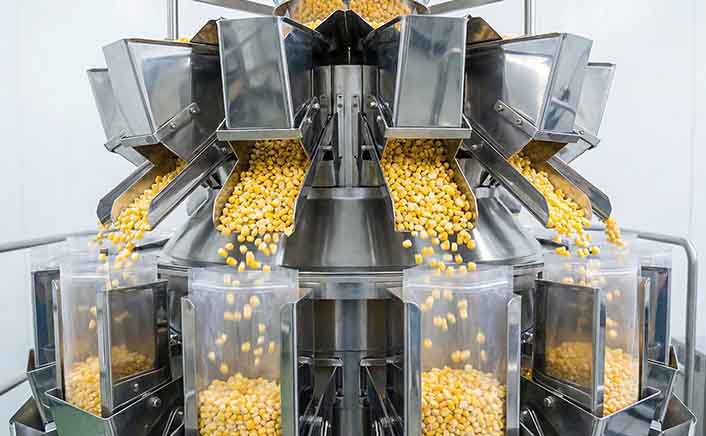
The U.S. Food Processing Equipment Market is projected to grow from USD 6.48 billion in 2026 to USD 8.57 billion by 2033, registering a CAGR of 4.1% during the forecast period, according to the latest market intelligence study. Market volume is expected to increase from 81,000 units in 2026 to 105,000 units by 2033 as food manufacturers continue investing in automation, productivity enhancement, and modernization of processing infrastructure.
Food processing equipment encompasses machinery used for mixing, blending, thermal processing, freezing, homogenization, conveying, cutting, and other production operations across meat, poultry, dairy, bakery, beverage, frozen food, and prepared food manufacturing facilities. The market plays a critical role in supporting one of the largest manufacturing industries in the United States, where food and beverage manufacturing accounts for a significant share of industrial output.
A key factor driving market expansion is the increasing adoption of automation technologies. Labor shortages across food manufacturing facilities continue to challenge production efficiency, prompting processors to invest in robotics, machine vision systems, industrial IoT platforms, and advanced process control technologies. Automated equipment enables manufacturers to improve throughput, reduce operational costs, enhance product consistency, and strengthen food safety compliance.
The meat and poultry processing segment remains the largest application area within the market due to its high equipment intensity and strict regulatory requirements. At the same time, prepared food manufacturing is emerging as one of the fastest-growing application segments as changing consumer lifestyles increase demand for convenience-oriented and ready-to-eat food products.
Processing equipment is the largest equipment category, owing to its essential role in core production operations. Demand for advanced processing systems is being reinforced by growing investments in capacity upgrades and the replacement of aging equipment across existing facilities. Many processors are prioritizing digitally connected machinery capable of generating real-time operational insights and supporting predictive maintenance programs.
Technology innovation is becoming a central competitive differentiator across the industry. Equipment suppliers are increasingly integrating AI-enabled optimization tools, industrial IoT connectivity, machine vision inspection systems, and cloud-based monitoring platforms into their product portfolios. These technologies help manufacturers improve equipment utilization, minimize downtime, reduce waste, and enhance overall production efficiency.
In addition to automation, sustainability objectives are influencing equipment purchasing decisions. Food manufacturers are increasingly seeking energy-efficient systems that reduce water consumption, energy usage, and operating costs while supporting broader environmental and operational goals. This trend is expected to create new opportunities for equipment suppliers offering high-efficiency processing technologies.
The competitive landscape remains moderately consolidated, with leading companies focusing on product innovation, software integration, aftermarket services, and strategic acquisitions to strengthen market positioning. Equipment providers are increasingly expanding beyond hardware sales to offer predictive maintenance solutions, digital monitoring services, and lifecycle support programs that generate recurring revenue streams.
Looking ahead, the market is expected to benefit from continued investment in domestic food manufacturing capacity, supply chain resilience initiatives, and growing demand for technologically advanced processing environments. As food manufacturers seek greater productivity, operational flexibility, and regulatory compliance, demand for automated, connected, and energy-efficient processing equipment is expected to remain strong through 2033.
The study highlights that companies capable of combining advanced machinery with digital technologies, analytics capabilities, and long-term service offerings will be best positioned to capitalize on future growth opportunities within the U.S. Food Processing Equipment Market.