The growing adoption of flexitarian diets and shifting consumer food preferences are accelerating demand for vegan products across the United States.
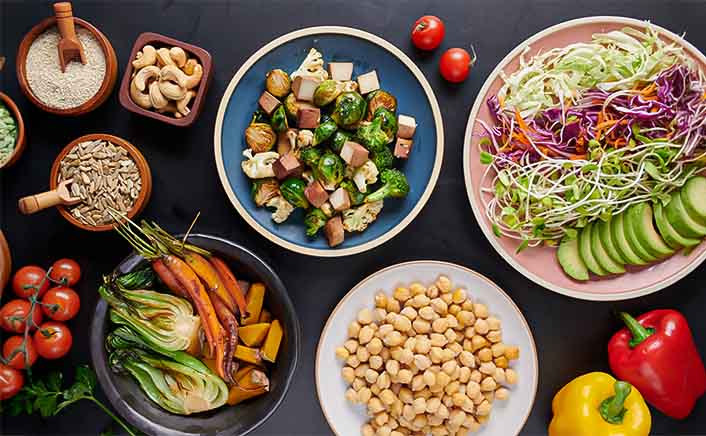
The U.S. vegan food Market is experiencing steady growth, driven by changing dietary habits, rising health awareness, and increasing acceptance of plant-based foods among mainstream consumers. While ethical and environmental motivations initially drove the market, demand is now increasingly supported by flexitarian consumers seeking healthier, convenient, and sustainable food options. As vegan products become more widely available across grocery retail and foodservice channels, consumption is shifting from niche audiences to everyday inclusion in the diet.
The U.S. vegan food market was valued at USD 8.9 billion in 2025 and is projected to reach approximately USD 17.8 billion by 2033, expanding at a compound annual growth rate (CAGR) of approximately 9.0% over the forecast period. Market growth is supported by the normalization of plant-based foods in mainstream retail, ongoing product innovation focused on taste and convenience, and increasing repeat consumption among non-vegan consumers. However, growth is becoming more selective, with specific categories outperforming others based on pricing power and consumption frequency.
Plant-based dairy alternatives dominate market value.
Plant-based dairy alternatives represent the largest segment of the US vegan food market, accounting for the highest share of total market value. Products such as plant-based milk, yogurt, butter, and cheese have become routine household purchases, particularly among flexitarian consumers. Their frequent use in daily diets, combined with broad retail availability and growing private-label presence, has made dairy alternatives a structurally stable segment within the market. In contrast, plant-based meat alternatives, while still significant in size, face greater pricing pressure and greater demand volatility due to category saturation and increased competition.
Ready-to-eat vegan meals emerge as a high-growth category.
Ready-to-eat vegan meals are emerging as one of the fastest-growing segments in the US market, driven by urban lifestyles, demand for convenience, and a higher willingness to pay for prepared foods. Frozen and chilled vegan meals that emphasize nutrition, global cuisines, and clean-label formulations are gaining traction, particularly among younger and working consumers. This segment benefits from greater pricing potential and lower substitution risk than direct meat replacements.
The Western and Northeastern regions lead consumption, while other areas are gaining momentum.
Regionally, the Western and Northeastern United States lead the vegan food market, supported by higher urbanization, greater consumer awareness, and a stronger premium food culture. These regions together account for a significant share of national consumption, driven by dense retail networks and widespread adoption of foodservice. Meanwhile, the Midwest is emerging as a growth region driven by value-oriented offerings and rising penetration of private-label products. The Southern US, while still in an early adoption phase, is experiencing gradual growth in demand through foodservice channels and institutional catering.
Demand stability favors staple and high-frequency categories.
Demand for stability across the US vegan food market varies by product category. Plant-based dairy alternatives and vegan ingredients and staples demonstrate higher resilience due to habitual consumption and lower price sensitivity. In contrast, plant-based meat alternatives show greater volatility, with demand more exposed to economic conditions and promotional pricing. These dynamics are influencing investment priorities and portfolio strategies across the competitive landscape.
Long-term demand outlook remains positive despite pricing challenges.
Although vegan food products continue to command price premiums relative to conventional alternatives, long-term demand fundamentals remain favorable. Increasing adoption of flexitarian diets, broader retail accessibility, and continued focus on convenience-driven innovation are expected to support sustained market expansion. As the market matures, growth is likely to be driven less by trial and more by repeat purchasing and category integration into everyday diets.
Competitive Landscape
Major participants in the US vegan food market include Beyond Meat, Impossible Foods, Danone North America, Conagra Brands, Amy’s Kitchen, Hain Celestial Group, MorningStar Farms (Kellanova), Tofurky, Lightlife Foods, Field Roast, Violife Foods, and Follow Your Heart. Competition is characterized by a mix of innovation-led and scale-driven strategies, alongside growing private-label participation in high-volume categories.