The Evolution of Ordering Channels in the U.S. Fast Food Market: Consumer Convenience, Speed, and Digital Transformation
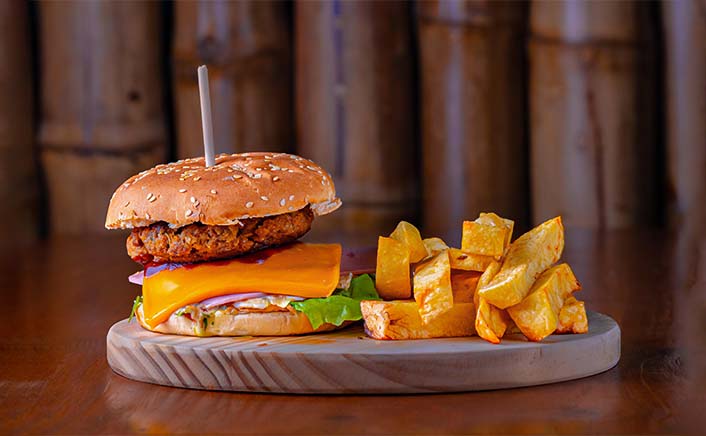
The ordering channel mix in the U.S. fast food Market reflects a significant transformation in how consumers engage with brands, influenced by factors like convenience, speed, digital adoption, and shifts in behavior post-pandemic. Drive-thru ordering stands out as the leading channel, capturing the largest share of transactions by offering unparalleled speed, familiarity, and accessibility, especially in suburban and highway-centric areas. Innovations such as dual-lane drive-thrus, AI-assisted order taking, and personalized menus have solidified this channel’s dominance, particularly among major quick-service restaurant chains like McDonald’s, Chick-fil-A, Burger King, and Wendy’s. For working professionals, families, and commuters, the drive-thru aligns seamlessly with their busy lifestyles, making it the cornerstone of revenue generation in the U.S. fast food market.
U.S. fast food market was valued at USD 360 billion in 2024 and is estimated to reach a value of USD 522 billion by 2033 with a CAGR of 4.0% during the forecast period.
In-store counter ordering, despite losing its status as the primary growth driver, retains a significant presence, particularly in densely populated urban areas, tourist attractions, and locations with heavy foot traffic such as malls, airports, and college towns. This channel continues to cater to impulse purchases, dine-in experiences, and older consumers who prefer personal interaction. However, its relative importance has diminished as brands increasingly guide customers toward digital channels that provide higher throughput, reduced labor dependency, and enhanced customer data. Many chains are reconfiguring store layouts to downsize traditional counters while creating space for pickup shelves, kiosks, and delivery handoff zones, indicating a long-term structural shift rather than a temporary adjustment.
Mobile app ordering has emerged as one of the fastest-growing channels within the U.S. fast food landscape, driven by robust loyalty programs, exclusive app-only offers, subscription models, and gamified rewards. Brands like Starbucks, McDonald’s, Domino’s, and Chipotle have effectively trained consumers to place orders ahead of time through proprietary apps, which enhances order accuracy and shortens wait times. Mobile ordering also provides operators with the ability to shape purchasing behavior through personalized recommendations, dynamic pricing, and limited-time promotions. Though its overall share is still smaller than that of drive-thru, its strategic significance is considerable due to higher profit margins, deeper customer engagement, and increased frequency of repeat purchases.
Third-party delivery platforms represent an essential yet margin-challenged channel. Services like DoorDash, Uber Eats, and Grubhub have broadened the market for fast food by tapping into at-home dining, late-night cravings, and group orders. This channel is particularly crucial in urban settings and among younger demographics. Nonetheless, hefty commission fees, packaging expenses, and order inaccuracies pose challenges to profitability, leading many chains to refine their menus, pricing strategies, and geographic reach. As a result, delivery is increasingly viewed as a means of capturing demand and enhancing brand visibility rather than serving as a key profit generator in the U.S. fast food market.
Self-service kiosks, while presently accounting for a smaller market share, play a vital operational role by boosting order accuracy, increasing average ticket sizes, and alleviating labor pressures. Kiosks are particularly common in high-volume urban locations, airports, and flagship outlets, where multilingual support and visually appealing menus enhance the customer experience. Over time, the significance of kiosks is expected to rise as labor costs escalate and consumer comfort with digital interfaces grows, especially among younger and tech-savvy patrons.
In summary, the ordering channel landscape in the U.S. fast food market is gradually transitioning toward an integrated omnichannel model, rather than experiencing a zero-sum shift from one channel to another. Leading brands are no longer optimizing channels in isolation; instead, they are creating seamless transitions among drive-thru, mobile, in-store, and delivery experiences. Success in this market will favor those who can balance convenience with cost efficiency, utilize data across channels, and continually adapt store formats to meet evolving consumer expectations.