Large Farms Lead Equipment Rental Demand as Seasonal Capacity Requirements Intensify Across U.S. Agriculture
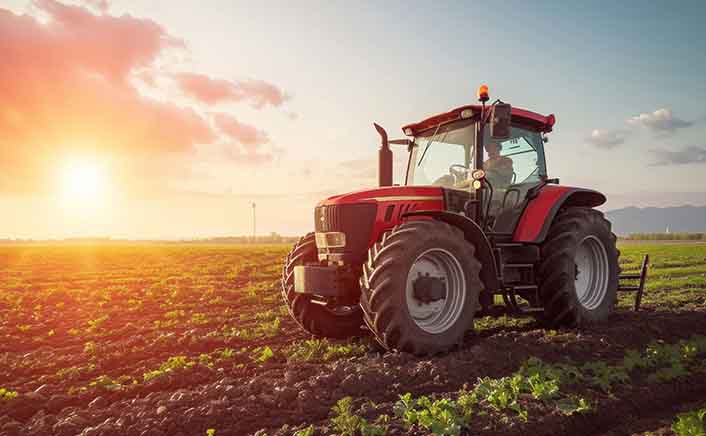
The distribution of the U.S. Farm Equipment Rental Market by farm size reveals significant differences in machinery utilization patterns, capital investment strategies, crop production intensity, and operational scale throughout the agricultural sector. Large farms, ranging from 501 to 2,000 acres, account for the largest share of the market, making up approximately 35.0% of total rental revenues. This dominance is largely attributed to the operational characteristics of these farms, which often cultivate extensive acreages of crops such as corn, soybeans, wheat, and cotton, requiring intensive mechanization during relatively short planting and harvesting periods. Unlike very large commercial operations that typically maintain extensive fleets of owned equipment, large farms tend to adopt a hybrid strategy. They own core machinery while renting specialized or supplemental equipment during peak demand seasons. This approach allows operators to manage capital expenditures more efficiently while ensuring they have sufficient machinery capacity to complete fieldwork within optimal agronomic timelines. Rental demand from this group is particularly pronounced for high-horsepower tractors, combines, self-propelled sprayers, precision planters, grain carts, and telehandlers. The growing integration of precision agriculture technologies has further bolstered rental activity, as many operators prefer to rent equipment featuring the latest GPS guidance, auto-steering, yield monitoring, and variable-rate application systems to avoid purchasing assets that might quickly become technologically obsolete.
Medium-sized farms, between 100 and 500 acres, make up approximately 29.0% of the rental market and represent another important customer base for equipment rental providers. These farms often face greater financial constraints compared to larger operations, making equipment rental an appealing option for accessing advanced machinery without the burden of substantial upfront investments. Ownership can be financially challenging for farms in this acreage range because their annual equipment utilization often does not meet the levels needed to justify ownership of highly specialized machinery. Consequently, many producers rent combines, planters, tillage equipment, and crop protection machinery during critical seasonal periods. Medium-sized farms have also been proactive adopters of precision agriculture technologies, especially in regions where maximizing productivity per acre is crucial for maintaining profitability. Rental programs allow these operators to utilize advanced machinery equipped with telematics, precision seeding capabilities, and automated application systems while preserving working capital for seed, fertilizer, labor, and land-related expenses. The increasing availability of dealer-operated rental fleets has further enhanced equipment accessibility for this segment, particularly in major agricultural regions like the Corn Belt and Great Plains.
Commercial farms, which exceed 2,000 acres, contribute approximately 20.0% of rental market revenues. While these operations manage some of the highest production volumes in the nation and typically generate significant annual revenues, their rental needs differ notably from those of smaller farms. Many commercial-scale operations maintain extensive fleets of owned machinery, as equipment availability is critical for timely field operations across vast acreages. However, these farms still utilize rental services strategically to address seasonal capacity constraints, equipment breakdowns, specialized operational needs, and short-term acreage expansions. During favorable commodity price periods, operators may expand planted acreage or accelerate harvesting schedules, creating temporary demand for additional combines, grain carts, tractors, and support equipment. Rental options enable commercial farms to supplement their existing fleets without committing to permanent equipment acquisitions that may become underutilized outside of peak demand periods. The increasing complexity of agricultural technology is also prompting some large operators to rent advanced equipment models for evaluation before integrating them into their long-term fleet replacement strategies. Additionally, autonomous and semi-autonomous equipment technologies are gradually entering the rental market, offering commercial farms opportunities to assess operational performance and return on investment before making significant capital commitments.
Small farms, with fewer than 100 acres, represent approximately 16.0% of total market revenue. Although this segment constitutes a significant portion of the total number of farms in the U.S., its share of rental revenue is comparatively lower due to smaller equipment needs and lower annual machinery utilization. Nevertheless, rental services play a crucial role in enhancing operational efficiency for these farms. Many small-scale producers focus on specialty crops and diversified agricultural practices, benefiting from access to larger equipment during peak seasons to optimize their production capabilities.