U.S. Electric Boats Market Trends Across Low, Mid, and High Power Marine Applications
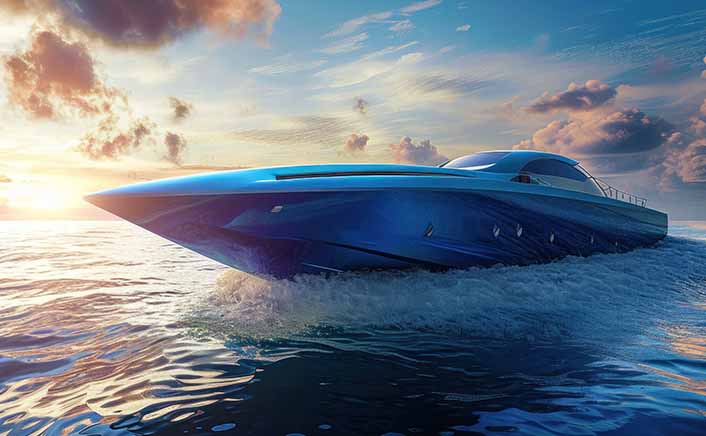
The 5 kW to 30 kW propulsion category is projected to dominate the United States Electric Boats Market , capturing an estimated 41% market share by 2025. This dominance is largely due to the alignment of this power range with the most popular recreational boating activities in the country. Electric pontoon boats, small leisure cruisers, rental boats, and inland fishing vessels typically operate within this propulsion capacity, as they require moderate speeds and lower energy consumption. Generally, boats in this segment achieve cruising speeds between 8 and 25 mph, offering operational runtimes of 5 to 10 hours depending on battery configurations. This segment is seeing strong demand particularly in lake tourism areas and residential communities by the waterfront, where low noise operation and reduced maintenance are becoming pivotal factors in purchasing decisions. Manufacturers are increasingly leaning towards this power category because it balances affordability, battery efficiency, and practicality without necessitating large battery packs that would significantly increase costs.
In contrast, the 30 kW to 100 kW segment accounts for nearly 29% of the market and represents one of the fastest-growing areas within the U.S. electric marine industry. This range is gaining popularity among premium leisure boats, electric wake boats, sightseeing vessels, and commercial tour applications, where higher speeds and larger passenger capacities are essential. Several electric sport boats set to launch between 2024 and 2025 operate within this category and boast acceleration capabilities akin to traditional combustion engines. The expansion of this segment is closely tied to advancements in lithium-ion battery energy density and thermal management systems. Earlier electric marine systems faced challenges sustaining high power outputs due to rapid battery drain and overheating issues, but newer battery architectures now support sustained high load performance with enhanced safety measures. Boats in this category can reach speeds of 35 to 45 mph while offering operational ranges suitable for half-day recreational or tourism activities.
The segment above 100 kW currently constitutes around 12% of the U.S. electric boats market but holds a disproportionately high market value, as it includes luxury electric yachts, hydrofoil boats, commercial ferries, and high-performance marine platforms. This segment is attracting significant venture capital investment, driven by the growing interest in premium sustainable mobility solutions. Electric hydrofoil boats operating above 100 kW are particularly reshaping the economics of marine electrification, as hydrofoil technology reduces water drag by lifting the hull above the surface. This technology can enhance energy efficiency by 70% to 80% compared to traditional displacement boats under similar operating conditions. Consequently, high-performance electric vessels are becoming increasingly feasible despite the extensive energy demands associated with larger marine crafts. Several luxury electric boats priced over USD 250,000 now feature propulsion systems exceeding 150 kW along with battery capacities above 200 kWh, targeting affluent buyers interested in advanced technology, silent cruising, and reduced environmental impact. Commercial adoption is also becoming apparent in this segment, especially for electric ferries and water taxis engaged in urban coastal mobility initiatives where governments are focusing on decarbonization efforts.
The less than 5 kW segment accounts for approximately 18% of market share, primarily concentrated in compact recreational applications such as electric kayaks, small fishing boats, and lightweight inland leisure vessels. While this category generates lower overall revenue, it plays a vital role in introducing consumers to electric marine options. Buyers in this segment tend to be quite price-sensitive, and lower power propulsion systems offer a more affordable entry point to electric boating. Most boats in this category operate at low speeds under 10 mph, commonly used in lakes, reservoirs, and environmentally sensitive waterways where gasoline engines are restricted. This segment is also benefiting from the increasing popularity of portable electric outboard motors, which can be easily installed on small watercraft. Innovations in compact battery design and lightweight propulsion systems are gradually enhancing usability in this category, although limited speed and range continue to constrain broader adoption for larger marine activities.
Across all propulsion categories, battery cost and energy efficiency remain critical factors influencing purchasing decisions and product development strategies. Higher power categories require substantially larger battery packs, which can constitute 30% to 45% of the total manufacturing cost of a vessel. For instance, a high-performance electric wake boat operating in the 100 kW range may necessitate battery systems exceeding 150 kWh capacity, significantly adding to the final retail price.