Maximizing Sustainability: How Recycled Construction Materials Drive the U.S. Demolition Waste Recycling Market
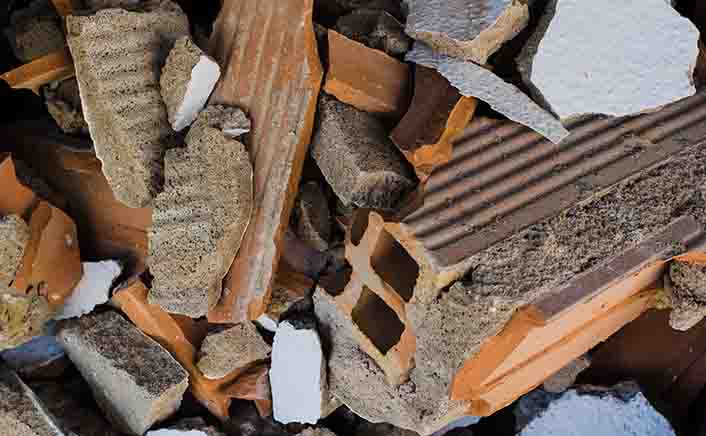
Over the past decade, the U.S. demolition waste recycling market has experienced significant evolution, primarily driven by an increase in construction and demolition activities, stringent environmental regulations, and heightened commitments to sustainability from both corporate and municipal entities. A key characteristic of this market is the variety of end-use applications for recycled demolition materials, which encompass construction materials like aggregates and fillers, road and infrastructure projects, ready-mix concrete production, landscaping materials, industrial applications, and other uses such as insulation and fill materials. These applications play a crucial role in determining the economic value, operational priorities, and environmental impact of the market, ultimately influencing investment decisions and technological advancements within the sector.
Construction materials, particularly aggregates and fillers, dominate the market, accounting for approximately 40% of recycled demolition waste utilization. This dominance stems from the heavy, abundant, and versatile nature of materials like crushed concrete, masonry, and asphalt, which serve as excellent substitutes for virgin construction materials. Recycled aggregates are widely used in new building foundations, structural fills, sub-base layers for pavements, and erosion control measures. The adoption of these materials is further supported by state and federal regulations that incentivize or mandate their use in construction projects, especially in regions such as California and New York, where diversion targets for construction and demolition (C&D) debris are among the highest in the nation. By reintegrating these materials into the construction cycle, companies can reduce the demand for virgin resource extraction, thereby lowering carbon emissions and lessening the environmental degradation associated with quarrying activities.
Following construction materials, road and infrastructure projects represent the second-largest segment of the market, comprising roughly 25% of recycled demolition material utilization. Recycled asphalt pavement (RAP) and crushed concrete are extensively utilized in highway construction, airport runways, and municipal road projects. Incorporating these recycled materials reduces overall material costs and extends the lifespan of pavements, thanks to the durability of processed aggregates. In addition, federal and state governments have enacted incentives to encourage the use of recycled materials in public infrastructure projects, including grants and preferential procurement policies, which have significantly boosted the adoption of recycled demolition waste. The high recycling rate of asphalt, often exceeding 99%, illustrates the efficiency of material recovery processes and the associated economic benefits for contractors and municipalities alike.
Ready-mix concrete production accounts for about 15% of the market. The growing momentum of utilizing recycled aggregates in ready-mix concrete is driven by contractors aiming to achieve sustainability goals while managing construction costs. Incorporating recycled concrete aggregates into ready-mix blends not only reduces reliance on virgin materials but also lowers transportation costs and ensures compliance with local regulations focused on diverting C&D debris from landfills. Although challenges such as material quality variability and potential strength reduction exist, advancements in processing technologies and standardized quality control measures have addressed many of these concerns, making recycled aggregates a viable choice for ready-mix production.
Landscaping materials make up approximately 10% of the market share, showcasing the versatility of recycled demolition waste. Crushed concrete, masonry, and bricks are frequently repurposed for decorative stones, walkways, drainage layers, and garden beds. In addition, wood recovered from demolition projects is transformed into mulch, biomass fuel, or engineered wood products for outdoor applications. Although landscaping applications represent a smaller segment compared to construction and infrastructure, they deliver considerable environmental benefits by decreasing landfill dependency and promoting sustainable urban planning practices.
Industrial applications, which include uses in manufacturing facilities, energy plants, and other industrial processes, account for around 5% of the market. Recycled metals, glass, and specialty construction materials are processed for various industrial applications, demonstrating the cross-sector utility of demolition waste. Additional applications, such as insulation materials, fill materials for civil engineering projects, and specialty construction components, also represent approximately 5% of the market. Although these smaller segments are limited in volume, they are growing due to advancements in sorting, processing, and material recovery technologies that enable previously underutilized materials to find profitable secondary uses.
Overall, the U.S. demolition waste recycling market benefits from robust regulatory frameworks, technological advancements, and a commitment to sustainability that collectively drive its continued growth and innovation.