United States Botulinum Toxin Market: Sustained Demand Driven by Aesthetic Maturity and Clinical Stability
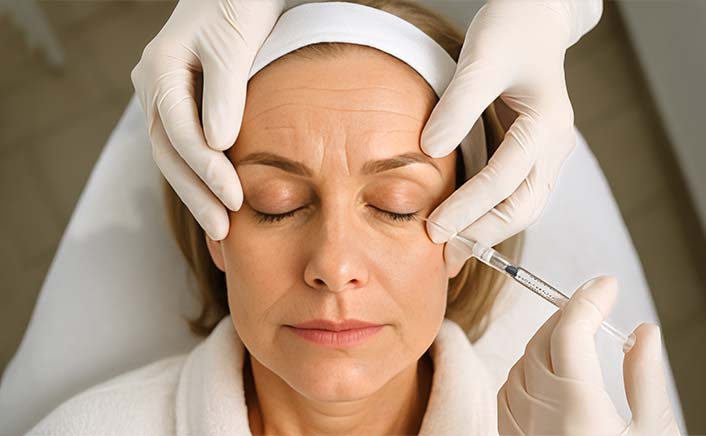
The growing emphasis on non-invasive aesthetic procedures, preventative treatments, and long-lasting cosmetic outcomes is accelerating demand for botulinum toxin across the United States’ aesthetic and medical care ecosystem. Rising acceptance of injectables among younger consumers, increasing male participation, and strong repeat-treatment behavior are reinforcing sustained demand across both discretionary and clinical use cases.
The United States is the most mature and commercially significant market for botulinum toxin globally, supported by a dense network of dermatology clinics, aesthetic centers, and specialty medical practices. High disposable incomes, advanced healthcare infrastructure, and early adoption of aesthetic innovations have positioned botulinum toxin as a routine component of cosmetic maintenance rather than an occasional procedure. Its widespread use for facial wrinkles, fine lines, and preventative aesthetics continues to anchor market stability, while therapeutic applications add long-term clinical depth.
The US Botulinum Toxin Market is expanding steadily, driven by consistent procedure volumes rather than episodic trend-based demand. Growth is reinforced by repeat usage cycles, physician familiarity, and strong brand loyalty among both providers and patients. Unlike emerging markets, expansion in the US is primarily volume- and value-driven within an already well-penetrated consumer base.
Aesthetic clinics and dermatology practices remain the primary demand centers.
Aesthetic service providers account for the majority of botulinum toxin use, particularly for facial aesthetics, jawline contouring, and preventive treatments. High treatment frequency and bundled service pricing enable clinics to maintain stable procurement volumes. Continuous demand from urban and suburban populations ensures predictable consumption patterns and supports premium pricing strategies.
Therapeutic applications provide structural stability and baseline demand.
Medical uses such as chronic migraine management, spasticity treatment, and neuromuscular disorders contribute to a consistent, insurance-supported demand. Although therapeutic volumes are lower than aesthetic usage, their recurring nature and institutional procurement reinforce market resilience and reduce exposure to discretionary spending cycles.
Established distribution models and strong physician relationships support market continuity.
The US botulinum toxin market operates through direct manufacturer-to-provider sales and specialty pharmaceutical distributors. Long-standing physician relationships, extensive clinical data, and regulatory approvals create high switching barriers, allowing established brands to retain market share while maintaining pricing discipline.
Moderate competitive pressure supports sustained, predictable growth.
While newer formulations and challenger brands continue to enter the market, competition remains constrained by regulatory complexity and entrenched brands. This environment favors steady, high-single-digit growth over rapid disruption, supporting long-term planning for manufacturers and service providers.
Competitive Landscape
Key participants in the US botulinum toxin market include AbbVie (Allergan Aesthetics), Ipsen Biopharmaceuticals, Merz Pharma, Galderma, Revance Therapeutics (Crown Laboratories), Evolus, Hugel, Daewoong Pharmaceutical, Medytox, and China National Biotec Group. These companies compete primarily on brand strength, clinical efficacy, duration of effect, and physician engagement rather than aggressive pricing.