Rising Aircraft Maintenance and Defense Sustainment Spending Is Reinforcing Aerospace Coatings as a Core Input in the US Aviation Industry
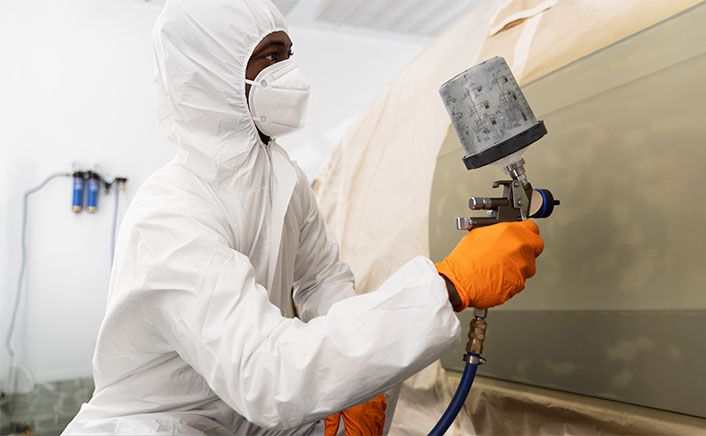
Demand for aerospace coatings in the United States is strengthening, supported by sustained aircraft utilization, rising maintenance activity, and long-term defense aviation programs. As airlines, military operators, and business aviation owners prioritize asset longevity, regulatory compliance, and operational efficiency, aerospace coatings have become an essential material category rather than a discretionary expense. The market benefits from predictable repaint cycles, mandatory corrosion-protection requirements, and the growing use of advanced coating systems across commercial, military, and specialized aviation platforms.
The U.S. Aerospace Coatings Market has become a stable and highly specialized part of the larger aerospace materials sector. Coatings now serve more than just aesthetic purposes; they are vital for protecting aircraft structures, increasing durability, and enhancing fuel efficiency by optimizing weight and surface qualities. Stringent certification requirements and lengthy approval processes sustain demand, making consumption more dependent on fleet maintenance and long-term operational strategies rather than immediate production changes.
Market growth is driven by steady, well-structured demand rather than rapid expansion cycles. Aircraft repainting, refurbishment, and component maintenance represent the primary sources of recurring consumption, providing resilience during periods of OEM delivery volatility. As environmental regulations tighten and operators seek longer service intervals, demand for high-performance, low-VOC, and advanced polyurethane and fluoropolymer coatings continues to rise. This shift supports value growth through higher average selling prices even as overall fleet growth remains moderate.
Maintenance, repair, and overhaul activities are central to the demand for US aerospace coatings. Airlines and MRO providers depend on certified coating systems to ensure safety, durability, and compliance, making coatings essential for scheduled maintenance. Defense aviation enhances market stability through long-term sustainment contracts, corrosion-prevention efforts, and fleet-extension programs for both fixed-wing and rotary aircraft. These end users together establish a stable demand profile that helps buffer the market from cyclical downturns.
Technology-driven upgrades are driving higher-value growth in the market. Advanced coating chemistries offer enhanced resistance to weathering, chemicals, and thermal stress, while also supporting sustainability by lowering emissions and extending maintenance intervals. These innovations are being implemented across exterior airframes, interiors, engines, and structural parts, highlighting aerospace coatings as essential performance materials rather than mere commodities.
The geographically concentrated nature of US aerospace activity further underpins the consistency of demand. Major manufacturing centers, defense installations, and MRO hubs across states such as Washington, Texas, California, Arizona, and Florida drive concentrated consumption. This industrial clustering supports efficient supply chains, close collaboration between coating suppliers and end users, and long-term supply agreements, thereby enhancing market predictability.
Competitive Landscape
The US aerospace coatings market is concentrated among a few key suppliers that possess the necessary certifications and technical expertise to cater to OEMs, defense projects, and MRO providers. Major companies include PPG Industries, AkzoNobel Aerospace Coatings, and Sherwin-Williams Aerospace, each with broad approvals and established customer relationships. Other notable players, such as Henkel, BASF Coatings, and Mankiewicz Coatings, offer specialized products and component-specific solutions. Additional firms such as Hentzen Coatings, IHI Ionbond, Saint-Gobain, and 3M serve niche and complementary markets. Competition centers on certification levels, technical assistance, and supply stability, creating high barriers to entry and thereby ensuring long-term market stability.