United States Drip Coffee Maker Market to Reach USD 1.65 Billion by 2033, Driven by Premium Home Brewing and Smart Kitchen Adoption
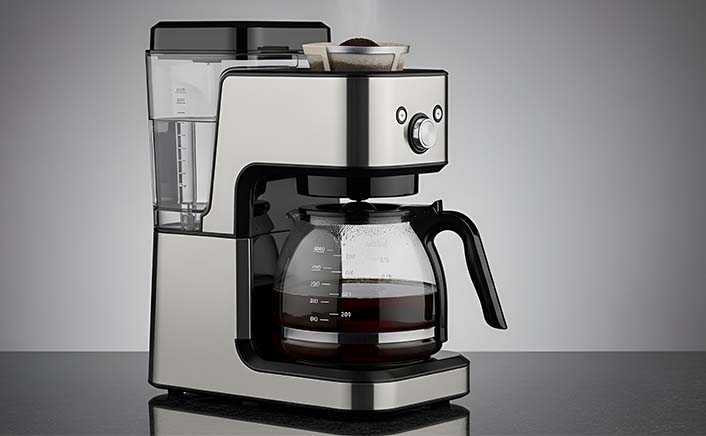
The United States Drip Coffee Maker Market was valued at USD 1.18 billion in 2025 and is projected to reach USD 1.65 billion by 2033, expanding at a CAGR of 4.3% during 2026–2033, according to the latest market intelligence study. Demand continues to be supported by rising at-home coffee consumption, premiumization of kitchen appliances, and growing consumer preference for smart, programmable brewing systems. While household penetration remains mature, manufacturers are increasingly generating value through innovation, premium product positioning, and connected appliance ecosystems.
Drip coffee makers remain the most widely used home brewing equipment in the United States because they offer convenience, affordability, and the ability to prepare multiple servings. According to the National Coffee Association's 2025 National Coffee Data Trends report, 67% of U.S. adults drink coffee every day, representing the highest daily coffee consumption level in more than two decades, while 71% prepared coffee at home on the previous day. These consumption patterns continue to create a stable replacement market for drip coffee makers, particularly among households upgrading from older appliances.
The market is also benefiting from the continued expansion of specialty coffee consumption. The Specialty Coffee Association reports that specialty coffee now accounts for 59% of total coffee consumed in the United States, encouraging consumers to invest in premium brewing equipment that delivers café-quality coffee at home. As a result, demand is shifting toward programmable drip coffee makers, thermal carafe models, and Specialty Coffee Association (SCA)-certified brewers that maintain precise brewing temperatures between 195°F and 205°F, the range recommended for optimal extraction.
Technology has become a major competitive differentiator across the market. Manufacturers are increasingly integrating Wi-Fi connectivity, smartphone applications, voice assistant compatibility, programmable brewing schedules, and personalized brewing profiles into premium coffee makers. Products that integrate with Amazon Alexa and Google Home are gaining traction as connected kitchen ecosystems continue to expand across U.S. households. According to Parks Associates, more than 45% of U.S. internet households own at least one smart home device, creating favorable conditions for connected kitchen appliances.
Consumer purchasing behavior is also evolving rapidly. While traditional retailers such as Walmart, Target, Costco, and Best Buy continue to account for a significant share of sales, online channels are becoming increasingly important. According to the U.S. Census Bureau, e-commerce represented more than 16% of total U.S. retail sales in 2025, prompting manufacturers to strengthen direct-to-consumer platforms, launch online-exclusive product variants, and leverage digital product reviews to improve customer engagement. Consumers increasingly evaluate brewing quality, durability, energy efficiency, warranty coverage, and smart functionality before making purchasing decisions.
Despite steady growth prospects, the market faces several challenges. High household ownership limits opportunities for first-time purchases, making replacement demand the primary source of revenue. Competition from single-serve coffee machines and home espresso systems is also intensifying, particularly among younger consumers seeking greater beverage variety. In addition, manufacturers continue to manage rising production costs for stainless steel, electronic components, and freight, as well as supply chain disruptions, placing pressure on pricing strategies in the highly competitive appliance market.
Sustainability is emerging as another important area of product differentiation. Manufacturers are introducing reusable permanent filters, BPA-free materials, recyclable packaging, and energy-saving automatic shut-off functions to align with growing consumer interest in environmentally responsible kitchen appliances. Premium products combining smart connectivity, sustainable design, and precision brewing capabilities are expected to capture a growing share of market value throughout the forecast period.
Automatic drip coffee makers continue to dominate the market because of their broad household adoption and ease of use, while smart programmable coffee makers represent the fastest-growing product category. Residential households remain the largest end-user segment, although commercial demand from offices, hospitality, and institutional facilities is gradually increasing as organizations enhance workplace amenities and customer experiences.
Leading companies operating in the United States Drip Coffee Maker Market include Hamilton Beach Brands Holding Company, SharkNinja, Newell Brands (Mr. Coffee), Cuisinart, De'Longhi S.p.A., Technivorm, Braun GmbH, Black+Decker Inc., Breville Group Limited, and Keurig Dr Pepper Inc. Competition is increasingly centered on premium product innovation, connected appliance capabilities, brewing precision, omnichannel distribution, and sustainable product development rather than price alone.
As specialty coffee consumption continues to expand and smart home adoption accelerates, the U.S. drip coffee maker market is expected to witness stable long-term value growth. Manufacturers capable of combining advanced brewing technologies, digital connectivity, energy-efficient design, and superior user experience will be best positioned to capitalize on evolving consumer preferences through 2033.