The growing emphasis on plant-based nutrition, clean-label formulations, and allergen-free ingredients is accelerating demand for pea protein across the UK’s food, nutrition, and feed industries.
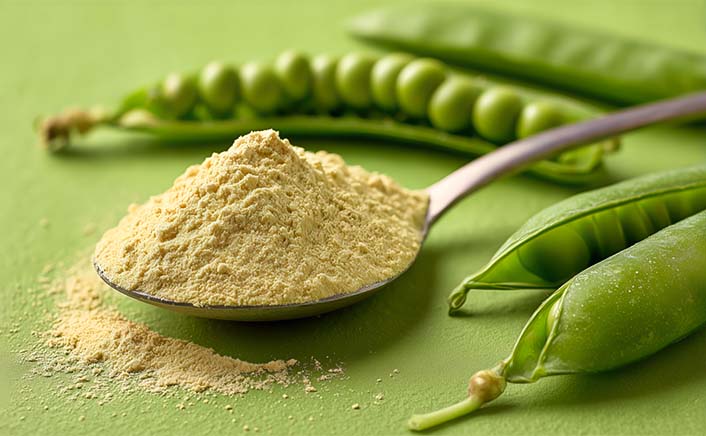
The UK is establishing itself as a key and mature market for pea protein, supported by a sophisticated food-processing industry, robust private-label production, and widespread adoption of plant-based and flexitarian diets. Pea protein has become increasingly popular as a functional component in meat substitutes, dairy alternatives, and nutrient-enriched packaged foods, owing to its neutral taste, high digestibility, and suitability for allergen-free labels. As producers focus more on reformulation rather than launching new products, demand for pea protein continues to grow in both mainstream and premium markets.
The UK Pea Protein Market is growing steadily and sustainably, driven by ongoing demand from the food manufacturing and nutrition sectors. Its expansion is deliberate and grounded in its function as an integral component of existing production processes, rather than being driven by fleeting trends.
Large-scale food manufacturing continues to anchor pea protein demand in the UK.
Food and beverage producers are the primary consumers, especially in categories such as plant-based meats, dairy substitutes, bakery items, and ready-to-eat meals. Pea protein is popular because it improves texture, binding, and protein levels, helping manufacturers achieve clean-label and nutritional goals while ensuring product quality. Continuous reformulation efforts are sustaining high demand as companies substitute pea protein for soy, dairy, and egg proteins.
Expanding applications of sports and clinical nutrition are driving higher-value demand.
Pea protein is increasingly common in sports nutrition powders, meal replacements, and medical nutrition products owing to its digestibility and amino acid profile. Although demand from these segments is relatively small, the higher unit value helps stabilize revenue and supports ingredient suppliers' margins.
Import-driven supply and established distribution networks reinforce market stability.
The UK Pea Protein Market relies heavily on imports from continental Europe and North America, supported by established ingredient distributors and long-term supply contracts. Although domestic processing capacity is limited, diversified sourcing and a mature logistics network help maintain a stable supply and pricing for UK producers.
Moderate substitution risk supports sustainable market growth.
Pea protein remains a strong contender in the plant protein market because of its allergen-free status, versatility, and broad regulatory approval, even as alternatives such as soy, fava bean, and blended proteins compete on price. This stable competitive landscape encourages steady, high single-digit growth rather than rapid or unpredictable market expansion.
Competitive Landscape
Major players in the UK pea protein market include Ingredion Incorporated, Roquette Frères, Cargill Incorporated, Archer Daniels Midland Company (ADM), Kerry Group, Tate & Lyle, Beneo, Cosucra Groupe Warcoing, Puris, and Vestkorn Milling. Additionally, key ingredient distributors such as Brenntag, Azelis, IMCD Group, and Prinova Group are also involved