Rapid urban high-rise development and sustainability-driven building design are accelerating demand for advanced facade systems in the UAE.
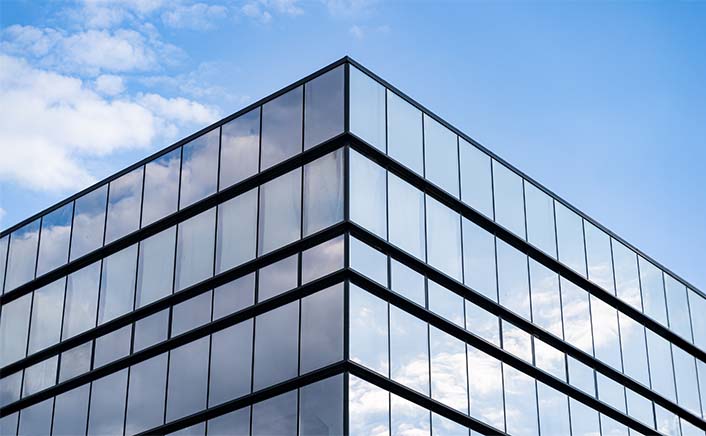
“The UAE is emerging as one of the most structurally dynamic facade markets in the Middle East, supported by dense vertical construction, premium commercial real estate, and a strong push toward energy-efficient building envelopes. Dubai and Abu Dhabi continue to anchor demand through mixed-use megaprojects, hospitality expansion, and infrastructure modernization, driving consistent adoption of high-performance curtain wall and ventilated facade systems.”
The UAE Facade Market was valued at USD 4.40 billion in 2025 and is projected to reach USD 7.45 billion by 2033, expanding at a CAGR of 6.8% during 2027 to 2033. The market is benefiting from sustained real estate investment, growth in free-zone industrial activity, and increased regulatory focus on thermal insulation and sustainability compliance. Rising urban density, combined with a preference for glass-intensive architectural designs, continues to drive demand for facade systems across commercial and residential segments.
The expansion of mixed-use developments, hospitality projects, and Grade-A office towers remains a primary catalyst for market growth. Developers are increasingly integrating high-performance glazing, double-skin systems, and ventilated facades to reduce cooling loads and enhance building lifecycle efficiency.
High-rise commercial and mixed-use construction is strengthening demand for curtain wall systems across Dubai and Abu Dhabi.
The UAE’s architectural landscape is dominated by vertical construction, particularly in Dubai, where commercial towers, luxury residential complexes, and hospitality developments require extensive facade surface area. Curtain wall systems represent the largest revenue contributor due to their aesthetic appeal, structural flexibility, and compatibility with modern urban designs.
Unitized curtain wall systems are gaining traction due to shorter installation timelines, factory-controlled quality, and improved thermal performance. Commercial office developments account for the largest share of facade installations, driven by tenant demand for premium building aesthetics and energy efficiency. The continued launch of mixed-use urban communities and tourism-linked infrastructure projects is sustaining long-term demand for engineered facade systems.
Sustainability mandates and energy-efficiency regulations are driving the adoption of ventilated, high-performance facade systems.
With high ambient temperatures and significant cooling loads, the UAE places strong emphasis on thermal performance in building envelopes. Developers are increasingly specifying insulated glazing units, low-emissivity glass, and ventilated facade assemblies to improve energy efficiency.
Green building certifications and government-led sustainability frameworks are encouraging the integration of double-skin facades and shading technologies. Retrofit modernization of aging commercial towers is also contributing to demand growth, as asset owners upgrade building envelopes to improve operational efficiency and tenant retention. The transition to performance-driven facade systems is increasing average project value and strengthening margins in engineered solutions.
Industrial free zones and logistics infrastructure are expanding the addressable facade market beyond core metropolitan areas.
While Dubai and Abu Dhabi remain dominant demand centers, industrial growth in free zones across Sharjah and the Northern Emirates is creating additional opportunities for cladding and cost-efficient facade systems. Warehousing, light manufacturing facilities, and logistics hubs require durable and thermally resilient facade materials.
The diversification of economic activity beyond oil and tourism is contributing to a broader construction pipeline. Industrial clients prioritize cost control and durability, but regulatory standards still necessitate performance compliance. This balance supports steady demand for mid-range facade solutions and reinforces the importance of localized fabrication capabilities.
Advanced fabrication capabilities and integrated supply chains are strengthening the UAE’s competitive positioning in facade engineering.
The UAE has developed a sophisticated facade fabrication ecosystem supported by aluminum extrusion manufacturers, glass processors, and system integrators. Local production reduces lead times and enhances project execution efficiency. Large-scale fabrication facilities enable contractors to handle complex geometry and customized engineering requirements for high-rise projects.
Integrating design engineering, manufacturing, and installation under a single contractor framework improves quality control and cost efficiency. This operational maturity strengthens the UAE’s ability to support large mixed-use developments and international architectural collaborations, reinforcing its leadership within the regional facade market.
Increasing emphasis on architectural differentiation and premium aesthetics is elevating average project values.
Developers in the UAE prioritize visually distinctive building exteriors to enhance asset positioning and attract global tenants and investors. Structural glazing, custom curtain wall assemblies, and composite panel systems are widely deployed in luxury developments. Hospitality and retail segments demand premium facade finishes that combine thermal performance with aesthetic sophistication. This trend elevates average selling prices per square meter and supports higher margins for engineered systems. As urban competition intensifies, facade design remains a critical differentiator, ensuring sustained demand for innovative and performance-driven facade solutions across the UAE.
Competitive Landscape
The UAE facade market features a mix of established regional leaders and international system providers competing on engineering precision, fabrication scale, and execution capability. Prominent companies include Al Abbar Group LLC, Emirates Glass LLC, Gulf Extrusions Co. LLC, National Aluminium Products Company (NAPCO), RAK Aluminium, Alumco LLC, Schüco Middle East, Reynaers Aluminium Middle East, AluNile FZE, and Alutec Facade Systems LLC. These firms leverage advanced manufacturing infrastructure and long-standing developer relationships to secure large-scale commercial contracts. International brands differentiate through high-performance system design and innovation, while domestic players benefit from localized supply chains and project execution expertise. Competitive intensity remains highest in major commercial and mixed-use developments, where technical compliance, cost discipline, and delivery timelines are decisive factors.