APAC Tube Packaging Market to Reach USD 2.53 Billion by 2033 as Sustainable Packaging and Consumer Goods Manufacturing Drive Demand
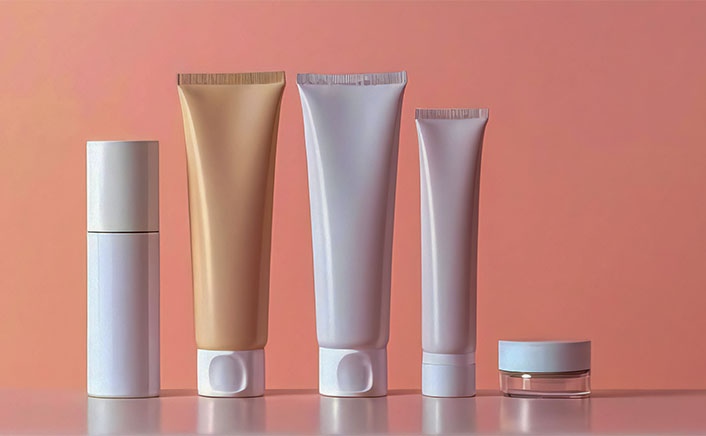
Growing adoption of recyclable tube packaging, expanding cosmetics and pharmaceutical industries, and increasing investments in flexible packaging technologies are strengthening the APAC Tube Packaging Market.
The APAC Tube Packaging Market was valued at USD 1.56 billion in 2025 and is projected to reach USD 2.53 billion by 2033, registering a CAGR of 6.2% during 2026–2033, according to the latest industry analysis.
Tube packaging has become an essential packaging format across cosmetics, oral care, pharmaceuticals, food, and household products due to its lightweight design, product protection, and convenience. The market recorded annual shipments of 19.0 billion tubes in 2025, with volume expected to increase to 30.3 billion tubes by 2033 as manufacturers continue investing in sustainable materials and advanced packaging technologies.
Asia-Pacific remains the world's largest manufacturing and consumption hub for tube packaging, supported by its rapidly expanding consumer goods industry and strong pharmaceutical production base. China dominates regional manufacturing with its integrated plastics processing ecosystem and extensive packaging converter network. At the same time, India has emerged as a major producer of laminated tubes serving pharmaceutical and oral care manufacturers. Japan and South Korea continue to lead innovation in premium cosmetic packaging through advanced decoration technologies, precision manufacturing, and sustainable material development.
The rapid expansion of the beauty and personal care industry continues to be a major driver of market growth. Rising disposable incomes, urbanization, and changing consumer lifestyles have significantly increased demand for skincare products, cosmetics, and premium personal care products throughout China, India, South Korea, and Southeast Asia. Tube packaging remains the preferred format for creams, gels, lotions, and toothpaste due to its portability, hygienic dispensing, and attractive shelf presentation.
The pharmaceutical sector is also creating strong demand for high-performance tube packaging. Growing production of dermatological creams, topical medicines, medicated gels, and over-the-counter healthcare products is driving the adoption of laminated and aluminum tubes that offer superior barrier protection against moisture, oxygen, and contamination. India's expanding pharmaceutical manufacturing industry and increasing exports of generic medicines continue to strengthen regional demand for pharmaceutical-grade tube packaging.
Sustainability has become one of the most influential trends shaping the competitive landscape. Global consumer goods companies, including L'Oréal, Unilever, Colgate-Palmolive, and Beiersdorf, are increasingly adopting recyclable mono-material polyethylene tubes and incorporating post-consumer recycled (PCR) plastics into their packaging portfolios to support corporate sustainability commitments. At the same time, packaging manufacturers are investing in lightweight tube designs, digital printing, and advanced multilayer barrier technologies to reduce material consumption while maintaining product performance.
Government initiatives aimed at reducing plastic waste are further accelerating the transition toward sustainable packaging solutions across the region. Extended Producer Responsibility (EPR) frameworks, recycled-content targets, and plastic waste reduction policies introduced across several Asia-Pacific countries are encouraging packaging manufacturers to redesign products using recyclable materials and circular packaging principles. These regulatory developments are expected to create significant opportunities for companies investing in environmentally responsible packaging technologies.
Technological innovation continues to strengthen the industry's competitiveness. Advances in multilayer extrusion, high-definition digital decoration, precision shoulder molding, and EVOH barrier technologies are enabling manufacturers to deliver improved product protection, enhanced aesthetics, and greater customization for consumer brands. These innovations are particularly valuable for premium cosmetics and pharmaceutical products where packaging quality directly influences brand perception and product integrity.
Among material types, Plastic Tubes account for the largest share of the market due to their cost efficiency, lightweight properties, and versatility across multiple applications. Laminated Tubes are expected to witness the fastest growth owing to increasing demand from oral care and pharmaceutical manufacturers requiring enhanced barrier performance. By application, Cosmetics & Personal Care remains the dominant segment, while Pharmaceuticals is projected to record the fastest growth as healthcare production expands across the region.
Although manufacturers continue to face challenges from volatile polymer prices, tightening environmental regulations, and competition from alternative packaging formats, the combination of rising consumer goods production, sustainable packaging innovation, and expanding pharmaceutical manufacturing is expected to sustain long-term market growth. Increasing investments in recyclable materials, advanced manufacturing technologies, and flexible packaging capacity will continue to position Asia-Pacific as the global leader in tube packaging production and innovation through 2033.