From Retail Media Networks to Smart Cities: The Evolution of Digital Signage Demand in South Korea
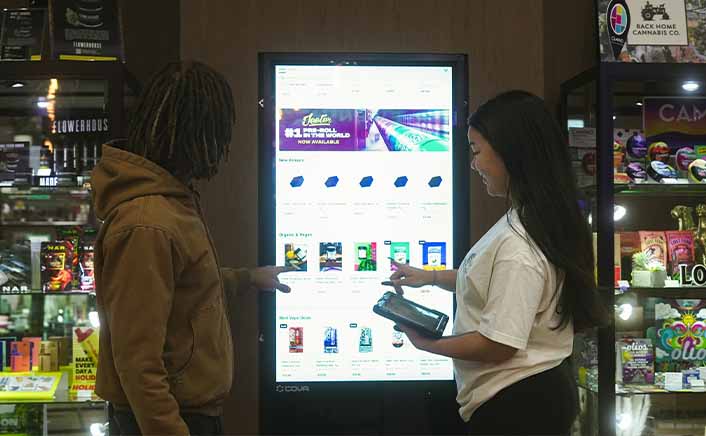
The end-user structure of the South Korean Digital Signage Market highlights the nation’s advanced digital infrastructure, high urban population density, and robust adoption of data-driven communication technologies across various commercial and public sectors. The retail sector leads this market, accounting for about 21% of total demand, establishing itself as the largest end-user category. South Korea's retail environment ranks among the most technologically advanced in Asia, with convenience store chains, department stores, supermarkets, electronics retailers, and shopping malls increasingly incorporating digital signage into their customer engagement strategies. Retailers utilize digital displays not only for advertising but also for dynamic pricing, inventory-based promotions, product recommendations, and monetizing retail media. The rising significance of omnichannel commerce has further enhanced deployment, as physical stores evolve into customer experience hubs rather than mere transaction points. Major retailers are adopting networked signage systems linked with point-of-sale and inventory platforms to deliver targeted promotions and real-time marketing content, thereby enhancing conversion rates and advertising effectiveness.
The transportation sector, representing around 15% of market demand, stands as the second-largest end-user category. South Korea's vast transportation infrastructure, which includes airports, high-speed rail stations, metro networks, and bus terminals, relies heavily on digital signage for passenger information, wayfinding, service updates, and commercial advertising. Transportation operators are expanding digital display networks in response to rising passenger expectations for real-time information. Large-format LED displays and video walls are commonly deployed in transit hubs where high passenger volumes justify investments in premium display technologies. In addition to operational communications, transportation facilities are increasingly generating advertising revenue through digital out-of-home (DOOH) networks, making these signage investments financially appealing.
Corporate enterprises, accounting for approximately 12% of the market, represent a significant demand source due to ongoing workplace digital transformation initiatives. Organizations across the finance, technology, manufacturing, and professional services sectors are implementing digital signage to enhance internal communications, visitor management, meeting room coordination, and corporate branding. As hybrid work models become more prevalent, companies are increasingly using connected display networks to communicate with employees across various locations. There is particularly strong demand for interactive displays and cloud-managed systems, which allow for centralized content control and real-time updates.
The government and public sector, representing about 10% of demand, is also a key contributor to market growth through continuous investments in smart governance and digital public services. Municipal governments and public agencies are deploying digital signage for public information dissemination, emergency alerts, transportation updates, and citizen engagement initiatives. South Korea's commitment to smart city development has further accelerated the installation of connected displays in public spaces, serving both informational and operational functions. Government projects typically involve large-scale deployments, significantly contributing to market revenues and supporting the adoption of advanced display technologies.
The quick service restaurant (QSR) sector, which accounts for roughly 9% of market demand, has emerged as one of the most dynamic end-user segments. Restaurant operators are increasingly implementing digital menu boards, self-ordering kiosks, and promotional displays to enhance operational efficiency and improve customer experience. Rising labor costs and growing consumer preference for self-service interactions have bolstered the business case for digital signage investments. Integration with inventory management and point-of-sale systems allows restaurants to update menu content dynamically, optimize promotional campaigns, and enhance upselling opportunities. This functionality has transformed digital signage from a mere marketing tool into a crucial operational asset.
Smart city applications, representing approximately 8% of the market, continue to gain traction as local governments expand intelligent infrastructure initiatives. Digital signage within smart cities supports public communication, environmental monitoring, traffic management, emergency response, and urban wayfinding. Unlike traditional commercial deployments, smart city installations commonly operate as interconnected networks integrated with broader municipal technology platforms. These projects typically necessitate durable, high-performance displays capable of continuous operation in diverse environmental conditions, thereby creating demand for premium hardware and long-term service contracts. The entertainment and sports venue segment, which accounts for around 7% of market demand, has also demonstrated significant growth.