U.S. Hearables Market to Reach USD 32.9 Billion by 2033 as AI-Powered Audio and OTC Hearing Health Reshape Consumer Wearables
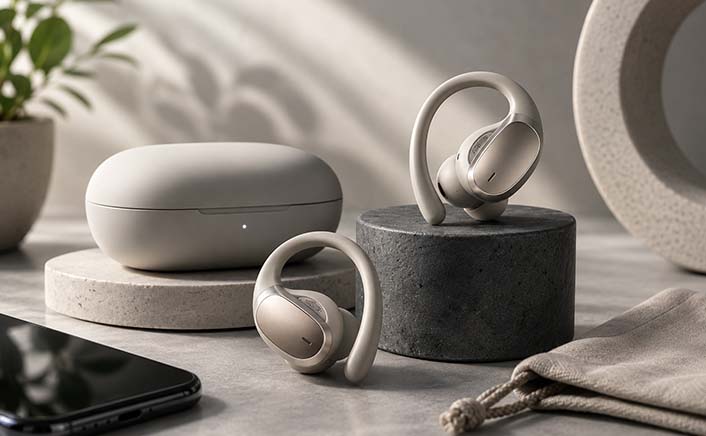
True wireless earbuds continue to dominate revenue, while OTC hearing aids emerge as the fastest-growing segment following regulatory reforms and AI-driven innovation.
The United States Hearables Market is entering a new phase of growth as wireless audio devices evolve into intelligent health and communication platforms. According to the latest market analysis, the market was valued at USD 15.7 billion in 2025 and is projected to reach USD 32.9 billion by 2033, registering a CAGR of 9.5% during the forecast period. Market shipments are expected to increase from 142.7 million units in 2025 to 260.7 million units by 2033, reflecting sustained demand for premium, feature-rich hearables across consumer and healthcare applications.
The convergence of artificial intelligence, biometric sensing, and hearing enhancement technologies is transforming hearables from conventional audio accessories into multifunctional wearable devices. True wireless stereo (TWS) earbuds remain the largest product category, supported by strong consumer replacement cycles and expanding integration with smartphone ecosystems. At the same time, over-the-counter (OTC) and prescription hearing aids are recording the fastest growth as hearing health becomes increasingly accessible through mainstream consumer electronics.
A major catalyst for market expansion has been the regulatory transformation of the U.S. hearing care landscape. The FDA's establishment of the OTC hearing aid category in 2022 removed longstanding barriers to consumer access, while the 2024 authorization of Apple's Hearing Aid Feature for AirPods Pro 2 further accelerated convergence between consumer audio devices and regulated hearing health solutions. These developments are expanding the addressable market among millions of adults experiencing mild-to-moderate hearing loss while encouraging additional technology companies to pursue regulated hearing-health capabilities.
Manufacturers are increasingly differentiating their products through artificial intelligence and advanced sensing technologies. Adaptive noise cancellation, personalized sound optimization, real-time speech enhancement, voice assistant integration, and biometric monitoring are becoming standard features within premium hearables. The adoption of Bluetooth LE Audio and spatial audio technologies is also supporting new upgrade cycles by improving battery efficiency, immersive entertainment experiences, and enterprise communication capabilities.
Beyond consumer entertainment, hearables are finding broader applications in healthcare, enterprise communications, fitness, and industrial safety. Growing demand for remote healthcare, aging-in-place solutions, and wearable health monitoring is encouraging manufacturers to integrate hearing assistance with broader digital health ecosystems. These trends are creating new revenue opportunities while strengthening the strategic importance of hearables within the overall wearable technology market.
Despite strong growth prospects, manufacturers continue to address several technical and commercial challenges. Battery life limitations, the need for increased on-device AI processing, premium pricing, and compatibility across multiple operating systems remain important considerations. In addition, as hearables collect increasingly sensitive health information, cybersecurity, data privacy, and regulatory compliance are becoming critical competitive differentiators for market participants.
The competitive landscape is becoming increasingly dynamic as consumer electronics leaders and traditional hearing aid manufacturers compete within the same ecosystem. Global technology companies such as Apple, Samsung, Sony, Bose, and GN Store Nord are expanding AI-enabled wireless audio capabilities. At the same time, established hearing care specialists including Sonova, Demant, WS Audiology, and Starkey continue enhancing clinical-grade devices with consumer-oriented connectivity and smart features. Innovation, software ecosystems, and regulatory expertise are expected to become the primary factors shaping long-term market leadership.
With continued advances in artificial intelligence, digital health integration, and wireless connectivity, the United States Hearables Market is expected to remain at the forefront of global innovation. As consumer expectations shift toward intelligent, health-enabled wearable devices, hearables are poised to play an increasingly important role in personal audio, hearing healthcare, and connected digital lifestyles over the coming decade.