Growing awareness of the importance of oral hygiene and aesthetic dentistry is leading to a rise in demand for dental treatments and related materials.
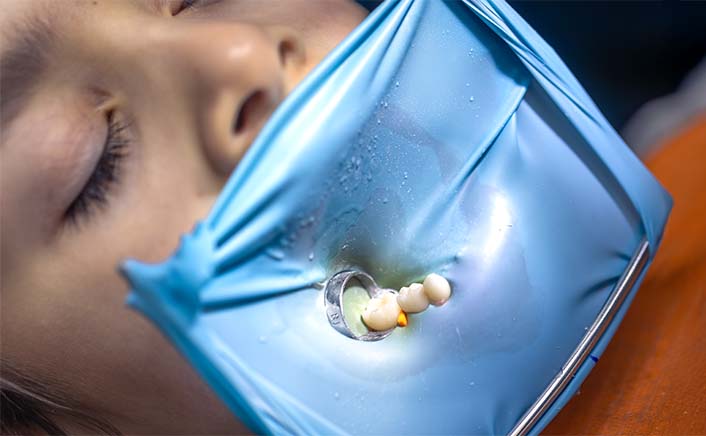
The Asia Pacific region is quickly becoming the fastest-growing area in the global market for dental sutures and collagen products, and several factors are driving this trend. As more people move to urban areas and disposable incomes rise, there’s a greater awareness of the importance of oral health. This increase in awareness leads to a higher demand for dental procedures, which subsequently boosts the need for sutures and collagen."
The Asia Pacific Dental Sutures and Collagen Market was valued at USD 0.15 Billion in 2025 and is projected to reach USD 0.25 Billion by 2033, with a compound annual growth rate (CAGR) of 18.50% from 2027 to 2033.
Additionally, the aging population in countries like Japan and China is experiencing more dental issues that often require surgical intervention. Technological advancements in dentistry and the growing popularity of aesthetic procedures are also major contributors to the demand for quality sutures and collagen items.
Furthermore, dental tourism is on the rise in places like India and Thailand, as patients seek out affordable yet high-quality dental care. Government efforts to promote oral health and improve healthcare infrastructure in these emerging markets are further propelling the rapid growth of this sector.
The increase in elderly populations across countries like Japan and China leads to higher dental care needs, particularly for surgical interventions.
The aging population in the Asia Pacific region is significantly influencing the dental sutures and collagen market. As people grow older, they tend to face more oral health challenges, including tooth loss and gum disease, which often require dental surgery. Countries like Japan, China, and South Korea are seeing an increase in their elderly populations, leading to a greater need for dental procedures that focus on both restoration and aesthetics. Older adults typically need more intricate dental work, such as implants, gum surgeries, and treatments for gum disease, all of which rely on sutures and collagen for proper healing and tissue regeneration. This demographic change is driving a consistent demand for dental materials that can facilitate these essential treatments.
As disposable incomes rise in emerging economies, more individuals can afford quality dental care, driving demand for dental products.
In many countries across the Asia Pacific, economic growth has made it easier for people to spend more on quality dental care. As the middle class grows in places like India, China, and Southeast Asia, we’re seeing more consumers who value both the appearance and health of their teeth. With dental procedures becoming more affordable and accessible, many individuals are choosing preventive care, cosmetic treatments, and advanced procedures that require specialized products like sutures and collagen. This upward trend in economic prosperity is driving up the demand for these materials as part of a broader focus on dental healthcare.
Expanding healthcare infrastructure and government initiatives are enhancing access to dental services, boosting the need for dental sutures and collagen.
The healthcare infrastructure in the Asia Pacific region is seeing significant improvements, with increased investments aimed at enhancing access to dental services in both cities and rural areas. Governments are actively working to raise awareness about oral health and make dental care more affordable for everyone. As more people gain access to dental treatments, there’s a rising demand for the materials used in these procedures. Public and private dental clinics, along with hospitals, are also broadening their range of services, including surgical treatments that require specialized materials like sutures and collagen for effective healing and tissue regeneration. This growing availability of essential materials is closely linked to the overall expansion of healthcare access, contributing to the market's growth.
Countries like India, Thailand, and Malaysia attract international patients seeking affordable dental care, increasing the demand for dental materials.
Dental tourism in the Asia Pacific region is on the rise, with countries like Thailand, India, Malaysia, and Vietnam becoming popular spots for those seeking dental care. Many patients from developed countries, especially in North America and Europe, are drawn to these locations because they offer high-quality treatments at more affordable prices and with shorter wait times. These countries are known for their advanced dental technologies, and as more people visit for specialized care, the demand for quality materials, such as dental sutures and collagen, continues to grow. This trend not only supports local economies but also pushes for improved dental materials to meet the needs of international patients looking for top-notch services.
The development of advanced dental technologies, including innovative sutures and collagen materials, encourages more people to undergo dental procedures.
Recent advancements in dental technology are making dental procedures more effective and efficient, which is driving up the demand for specialized materials like sutures and collagen. With innovations in areas such as implantology, periodontal treatments, and cosmetic dentistry, dental procedures are becoming more complex and in need of higher-quality materials. Collagen-based products, including membranes and sutures, are now being utilized more widely because they promote better tissue healing and are more compatible with our bodies. Additionally, the rise of minimally invasive techniques, such as laser surgery, necessitates precise suturing and care for the tissues, further increasing the need for advanced dental products.
Competitive Landscape
Some of the major companies operating within the Dental Sutures and Collagen market are: Osteogenics Biomedical, Dentsply Sirona, HYGITECH, Integra LifeSciences, Johnson & Johnson Services, Inc., Advanced Medical Solutions Group plc, Institut Straumann AG, Geistlich Pharma AG, Neoss and Others.