Building the Future of Public Works: Recycled Concrete Applications in Bridges, Tunnels, and Municipal Infrastructure
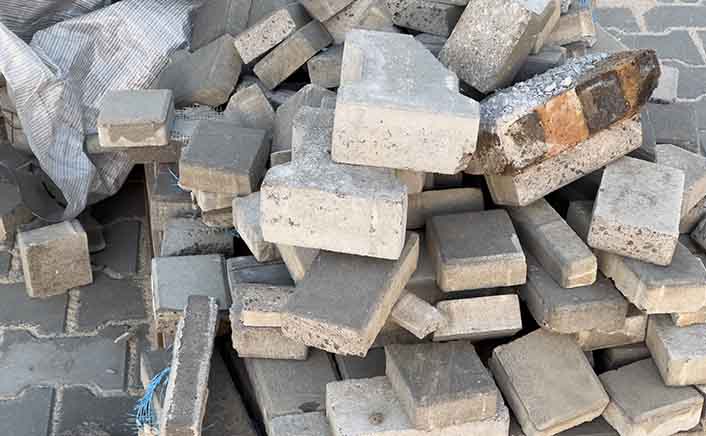
The North America Concrete Recycling Market is progressively influenced by application-specific demand, showcasing the increasing adoption of recycled concrete across various construction and infrastructure sectors. Road construction and pavement layers dominate this market, representing approximately 35% of its share. This prevalence stems from the extensive utilization of recycled aggregates in sub-base layers, highway construction, urban roads, and other civil infrastructure projects. As major cities like New York, Los Angeles, and Chicago continue to expand, the need to maintain and upgrade existing road networks generates significant volumes of concrete waste, which is subsequently processed and reused in roadway projects. The cost-effectiveness and structural reliability of recycled concrete make it a preferred option for both municipal agencies and private contractors. Furthermore, the push for sustainable construction practices and mandates for landfill diversion in the United States bolster the use of recycled concrete in road infrastructure, paving the way for market growth.
The residential construction segment, accounting for around 20% of the North America Concrete Recycling Market, is also witnessing notable expansion. As urbanization rises and aging housing stocks are redeveloped, higher volumes of demolition waste are generated, which can be converted into high-quality recycled aggregates and sand suitable for residential applications. Homebuilders and contractors increasingly favor recycled concrete to minimize material costs while accomplishing sustainability objectives. Recycled aggregates find common application in foundations, driveways, landscaping, and concrete mixes, while recycled sand is utilized in mortar and plaster. The growing focus on green building certifications, such as LEED and Envision, further accelerates the integration of recycled materials in residential construction, positioning sustainability as a key selling point for developers and homeowners alike.
In the commercial and industrial construction sector, which comprises an estimated 15% of the market share, recycled concrete is used in constructing offices, warehouses, factories, and retail establishments. These projects often demand large quantities of concrete, making recycled aggregates a cost-effective and environmentally responsible choice. Corporate sustainability programs and local regulations promoting the reuse of construction and demolition debris play a crucial role in driving the adoption of recycled concrete within this segment. The incorporation of recycled materials into commercial flooring, concrete slabs, and structural components not only reduces expenses but also aligns with corporate environmental policies, fostering long-term circular construction practices.
Infrastructure and public works projects constitute another 15% of the market. Bridges, tunnels, dams, water treatment plants, and various municipal projects increasingly integrate recycled concrete, encouraged by governmental mandates and sustainability goals. The availability of high-quality recycled aggregates enables public agencies to achieve project objectives while adhering to regulatory requirements for material reuse and minimizing landfill impact. This segment benefits from substantial public investment and a committed focus on maintaining essential infrastructure using sustainable materials.
Landscaping and hardscaping applications, which account for about 10% of market share, involve utilizing recycled concrete in gardens, parks, retaining walls, walkways, and decorative paving. These applications leverage the aesthetic and functional attributes of recycled materials, transforming demolition debris into visually appealing and cost-effective landscaping elements. Smaller initiatives, such as residential landscaping and urban beautification projects, contribute to the steady growth of this segment.
Lastly, other niche applications, including port facilities, marinas, and specialized civil engineering projects, represent roughly 5% of the North America Concrete Recycling Market. While these applications are smaller in volume, they remain significant for specialized infrastructure where sustainability and material reuse increasingly take precedence. By converting concrete waste from demolition and construction into usable materials for niche applications, companies can address environmental concerns while optimizing project budgets.
Overall, the North America Concrete Recycling Market is significantly shaped by the distribution of recycled concrete across these diverse applications. Road construction leads due to high demand and regulatory support, followed by residential and commercial construction driven by urbanization and green building initiatives. Infrastructure projects provide stability and scale, while landscaping and niche applications contribute to a diversified growth landscape. The ongoing advancement of recycling technologies, in conjunction with policy support and heightened environmental awareness, continues to drive market momentum.