Nonwoven Innovations: Turning Recovered Textiles into High-Performance Insulation and Hygiene Products
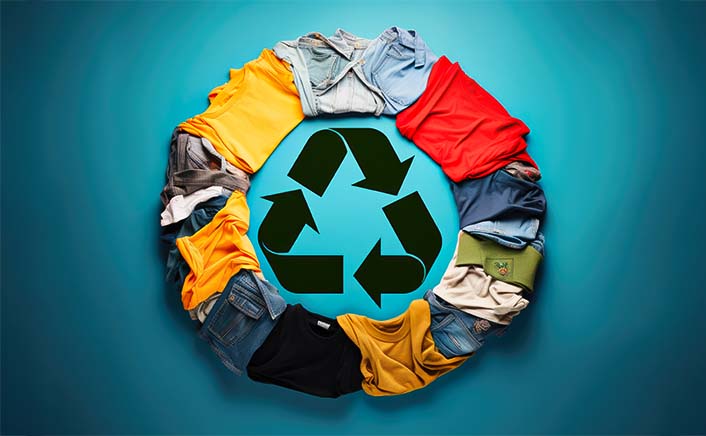
The Europe Textile Fibre Recycling Market is significantly shaped by the wide-ranging end-use applications of recycled fibres, which reflect the types of fibres derived from post-consumer and post-industrial waste streams, as well as the shifting demand patterns across both industrial and consumer sectors. The apparel and garments segment stands out as the largest, accounting for approximately 40% of the market. This dominance is largely attributed to the substantial volume of discarded clothing, which constitutes the majority of textile waste in Europe, coupled with an increasing focus on sustainability from both regulatory bodies and corporations.
Countries with established Extended Producer Responsibility (EPR) schemes, such as France, the Netherlands, and Germany, have implemented post-consumer clothing collection programs that ensure a consistent supply of textile waste suitable for recycling. As brands strive to reach sustainability targets and cater to consumer demand for eco-friendly products, the demand for recycled fibres in this segment continues to grow.
Mechanical recycling is the prevalent method for processing cotton and polyester garments, resulting in fibres suitable for casual wear, nonwoven applications, and blended yarns. At the same time, the emergence of chemical recycling technologies is facilitating the recovery of high-quality polyester and blended fibres intended for premium apparel. This innovation not only provides greater value per ton but also encourages investment in recycling infrastructure.
Home textiles, which encompass products like bedding, curtains, and upholstery, represent roughly 25% of the Europe textile fibre recycling market. While the volumes are smaller in comparison to apparel, the fibre quality and reuse potential are significant. Mechanical recycling is commonly utilized for cotton, polyester, and blended home textiles to create insulation materials, new upholstery fabrics, or padding. The industrial adoption of recycled fibres in home textiles is further bolstered by growing awareness of sustainable interiors and increasing circular economy initiatives throughout Europe.
Additionally, post-industrial waste from textile manufacturing, including offcuts and defective batches, is efficiently collected and processed using mechanical and, in some cases, chemical recycling techniques. Regulatory support and EPR programs play a crucial role in diverting home textiles from landfills, thus minimizing environmental impact while providing a steady feedstock for recyclers.
The segment of industrial textiles, which serves applications in automotive interiors, construction, geotextiles, and technical textiles, constitutes about 20% of the market. This sector capitalizes on higher-value synthetic fibres such as polyester, nylon, and blended materials, which are recovered from post-consumer garments, industrial scrap, and offcuts. The automotive industry, in particular, is increasingly incorporating recycled polyester and nylon in seat fabrics, insulation panels, and interior components, driven by a commitment to sustainability and regulatory pressure regarding emissions and resource efficiency. Construction and geotextile applications utilize either mechanically recycled or chemically recovered fibres in products like insulation mats, erosion control fabrics, and industrial filters. The industrial textile segment benefits from predictable fibre quality and longer fibre lengths found in recovered materials, which enables high-value applications and consistent revenue streams for recyclers. Furthermore, innovations in chemical recycling are expanding the ability to separate blended fibres within this segment, enhancing material yield and market potential.
Nonwoven products, including insulation materials, hygiene products, wipes, and other specialized applications, account for around 15% of the market. Although smaller in volume, nonwovens represent high-value applications where mechanically recycled fibres are blended with virgin or other recycled fibres to satisfy product performance specifications. Increasingly, recovered cotton, polyester, and blended fibres are used in insulation boards, wipes, and absorbent hygiene products to reduce reliance on virgin materials. The nonwoven applications are particularly sensitive to fibre consistency and quality, which drives investment in sorting and fibre-cleaning technologies within the European textile fibre recycling market. EPR schemes and growing corporate sustainability targets further enhance the availability of feedstock for nonwoven applications.
The segmentation based on end-use application illustrates how the Europe textile fibre recycling market effectively balances high-volume areas like apparel with higher-value but lower-volume applications such as industrial textiles and nonwovens. Established collection systems, regulatory frameworks, and technological advancements in mechanical and chemical recycling enable recyclers to efficiently capture value from each segment.
Apparel and home textiles provide scale and consistent volumes, while industrial textiles and nonwovens present high-margin opportunities due to stringent quality requirements and specialized applications. This diversified end-use profile ultimately reinforces the resilience and growth potential of the European textile fibre recycling market.