Netherlands Self-Healing Concrete Market Expands with Rising Demand for Durable and Climate-Resilient Infrastructure
The Netherlands Self-Healing Concrete Market is witnessing steady growth, driven by the country’s growing focus on long-lasting infrastructure and lower maintenance costs. The market is valued at USD 4.2 million in 2025 and is projected to reach USD 15.2 million by 2033, reflecting a robust CAGR of 17.5% over the forecast period. This growth trajectory highlights the gradual transition of self-healing concrete from pilot-stage innovation to early-stage commercialization within the construction materials sector.
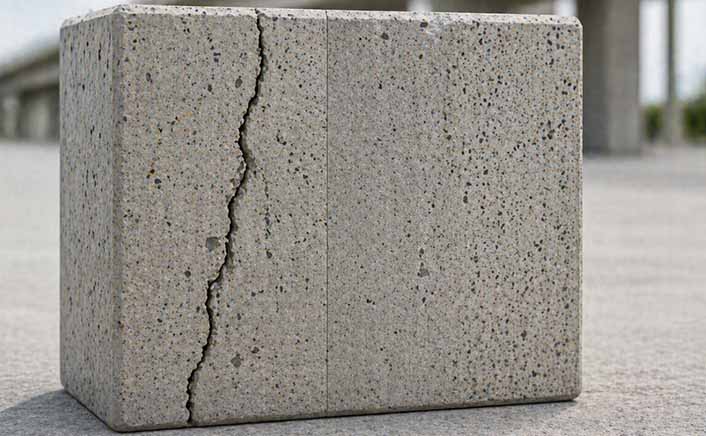
Self-healing concrete is an advanced material designed to autonomously repair cracks using embedded or encapsulated biological or chemical agents. When exposed to moisture, these agents activate and seal cracks, significantly reducing water ingress and structural degradation. This capability is particularly relevant in the Netherlands, where infrastructure is continuously exposed to water, pressure fluctuations, and marine conditions.
Infrastructure Needs Driving Market Growth
The Netherlands presents a unique demand environment for self-healing concrete. With over 26% of land below sea level and an extensive network of dikes, canals, and storm barriers, the country relies heavily on durable construction materials. According to government infrastructure data, the Netherlands maintains more than 3,500 km of primary flood defenses, with annual spending on water management exceeding EUR 1 billion.
In such conditions, conventional concrete structures often require maintenance within 10–15 years due to cracking and water ingress. Self-healing concrete addresses this challenge by extending maintenance intervals and improving structural longevity, making it an attractive option for critical infrastructure projects.
Key Application Areas Gaining Momentum
Demand for self-healing concrete is concentrated in high-value infrastructure segments where durability is essential. Flood defense systems, tunnels, marine structures, and wastewater infrastructure are emerging as key application areas.
The Port of Rotterdam, which handles over 440 million tonnes of cargo annually, exemplifies the need for materials capable of withstanding harsh marine environments. Similarly, underground transport systems in major cities require materials that minimize maintenance disruptions and ensure long-term performance.
Water-retaining structures such as canals and sewage systems are also adopting self-healing technologies due to their constant exposure to moisture, which enhances the effectiveness of healing mechanisms.
Cost Challenges and Adoption Barriers
Despite its advantages, the adoption of self-healing concrete is constrained by its high upfront cost, which can be 30–100% higher than that of conventional concrete, depending on the technology used. Construction procurement in the Netherlands continues to prioritize initial project costs, limiting widespread adoption.
However, industry stakeholders are increasingly shifting toward lifecycle cost analysis, particularly in public infrastructure projects. By reducing maintenance frequency and extending asset lifespan, self-healing concrete offers long-term economic benefits that offset its initial cost premium.
Technology Advancements Supporting Market Expansion
Technological innovation is playing a critical role in the market’s development. Bacteria-based systems that produce calcium carbonate, capsule-based systems that release healing agents, and polymer-based solutions are all contributing to improved performance and reliability.
Research institutions in the Netherlands, including Delft University of Technology, are actively developing scalable solutions tailored to local environmental conditions. These advancements are expected to improve cost efficiency and accelerate commercialization over the coming years.
Strategic Outlook
The Netherlands Self-Healing Concrete Market is expected to grow steadily as infrastructure modernization and climate resilience initiatives gain momentum. In the near term, adoption will remain concentrated in infrastructure and water-related projects, where the economic and operational benefits are most evident.
Over the long term, continued technological advancements and cost optimization are expected to expand the market into commercial and industrial construction segments.
As the Netherlands continues to invest in durable, sustainable infrastructure, self-healing concrete is poised to play a critical role in shaping the future of construction materials, offering a balance among performance, longevity, and environmental responsibility.