Canada’s specialty chemical growth path fueling higher uptake in the N methylaniline market
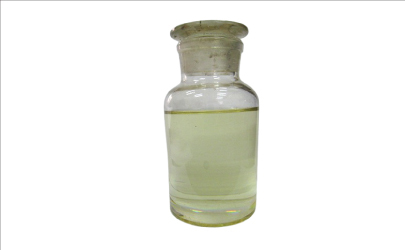
North America is experiencing a consistent trend towards increased consumption of aromatic intermediates as downstream industries enhance their formulation capabilities and prioritize materials that ensure uniform performance in both large-scale and specialty production environments. The N Methylaniline Market in the region is projected to grow from a combined volume of 26.5 thousand tons in 2023 to 28.8 thousand tons by 2026, ultimately reaching 34.7 thousand tons by 2032. This growth reflects ongoing industrial activity across a variety of value chains.
The United States is expected to capture the largest market share, rising from 24.84 thousand tons in 2023 to 27.01 thousand tons in 2026, and reaching 32.39 thousand tons by 2032. This expansion is supported by a diverse landscape including dyes, pigments, agrochemical blends, pharmaceutical intermediates, rubber chemicals, and technical coatings. Producers are focusing on materials that guarantee consistent processing behavior and stable molecular attributes.
In Canada, consumption is projected to grow from 1.35 thousand tons in 2023 to 1.49 thousand tons by 2026, advancing to 1.84 thousand tons by 2032. This growth is driven by the expansion of specialty chemical clusters that increasingly rely on high-purity intermediates designed for controlled reactivity and tailored solubility. The Canadian market is benefitting from increased demand in technical coatings, agrochemical processing, and fine chemical production, which values intermediates that maintain narrow quality variation across batches.
Mexico's consumption is anticipated to rise from 0.26 thousand tons in 2023 to 0.32 thousand tons in 2026, and reach 0.47 thousand tons by 2032. This growth is facilitated by developing manufacturing hubs focused on textile-related processing, crop protection solutions, and industrial auxiliaries. Improved access to raw materials, the growing adoption of modern blending systems, and a shift toward more structured chemical production are supporting the increased utilization of key intermediates.
Across the region, there is a heightened emphasis on traceability, supply consistency, and enhanced quality assurance. This trend encourages suppliers to provide strong technical support and closely align with customer specifications. Regulatory updates aimed at improving workplace safety and emissions management also affect purchasing behaviors, prompting buyers to seek intermediates that fulfill stricter compliance requirements without compromising formulation quality.
Growth in sectors such as packaging inks, automotive coatings, construction paints, and high-performance plastics further contributes to the rising demand for intermediates that ensure consistent solvency and controlled reaction characteristics. The expanding digitalization in chemical manufacturing is strengthening process optimization efforts, thereby increasing the demand for intermediates that exhibit reliable behavior under automated conditions.
The continued reshoring of chemical production within the region and an increased focus on supply chain resilience are also driving interest in domestic sourcing options. As manufacturers strive for more efficient production lines and improved material efficiency, intermediates that reduce variability and support reproducible outcomes are gaining greater importance.
Collectively, these developments indicate a positive long-term outlook for the N-methylaniline market in North America, supported by expanding industrial applications, advancements in production sophistication, and a stronger emphasis on materials that ensure performance reliability across diverse chemical processing environments.