Europe’s LFP Battery Market Boom: How Electric Vehicles and Sustainability Policies Are Driving Demand
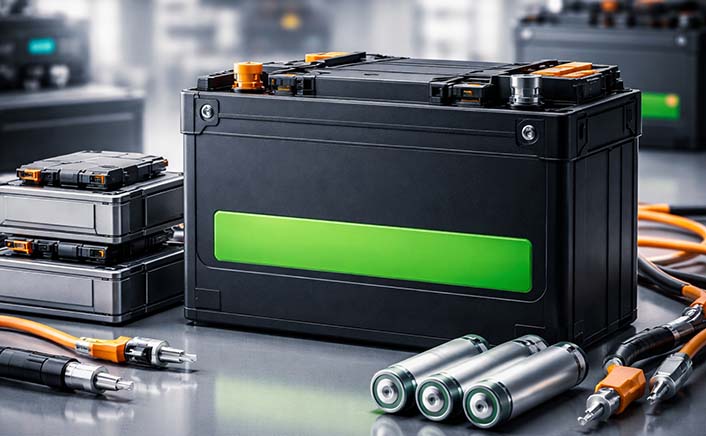
"Europe is becoming the fastest-growing region in the Lithium Iron Phosphate (LFP) battery market, driven by the increasing adoption of electric vehicles (EVs) and renewable energy initiatives. Governments across the continent are implementing strict environmental regulations and providing incentives for the transition to cleaner energy alternatives. This shift is boosting the demand for LFP batteries, which are recognized for their safety, cost-effectiveness, and eco-friendliness. "
The Europe lithium-Iron-Phosphate (LFP) Batteries market was valued at USD 3.37 Billion in 2025 and is projected to reach USD 9.09 Billion by 2033, with a compound annual growth rate (CAGR) of 15.20% from 2027 to 2033.
The expansion of EV infrastructure, including charging stations and grid storage systems, has further accelerated this growth. European automotive manufacturers are increasingly integrating LFP batteries into their EV models to offer affordable and sustainable options. Moreover, advancements in battery technology and collaborations between local and international companies are enhancing production capacity and fostering innovation in the region.
This rapid expansion is supported by a commitment to reducing carbon emissions and achieving energy transition goals, positioning Europe as a key player in the evolving global LFP battery market.
Strict environmental regulations, carbon emission reduction targets, and subsidies for electric vehicles (EVs) and renewable energy projects are propelling market growth.
Europe is strongly focused on cutting down greenhouse gas emissions, and this is playing a big role in the growth of the LFP battery market. Governments throughout the region are rolling out tough environmental policies designed to move away from fossil fuels and encourage cleaner energy options. They’re also offering subsidies and tax breaks for electric vehicles (EVs) and energy storage solutions, making these technologies more accessible and affordable for consumers and businesses alike. Initiatives like Germany’s Energy Transition, known as Energiewende, and the EU Green Deal highlight the push for sustainable energy, which is driving up the demand for LFP batteries. Plus, the strict regulations on battery safety and recycling are spurring innovation, ensuring that companies not only meet these standards but also contribute to broader environmental goals.
Increasing consumer preference for EVs, supported by expanding charging infrastructure, is driving demand for cost-effective and safe LFP batteries.
The increasing popularity of electric vehicles (EVs) is a significant driver behind the growing demand for LFP batteries in Europe. More and more consumers are attracted to EVs because they offer lower operating costs, greater range, and environmental advantages. To support this transition, governments are providing subsidies and investing in charging infrastructure. LFP batteries are particularly ideal for EVs due to their affordability, long lifespan, and safety features, making them a preferred option for car manufacturers. As more people embrace EVs, automotive companies are incorporating LFP batteries into their entry-level and mid-range models, which helps strengthen their presence in the market.
Growing investments in renewable energy sources like solar and wind power require efficient energy storage solutions, where LFP batteries play a crucial role.
Europe's renewable energy sector is experiencing rapid growth, fueled by significant investments in solar, wind, and hydropower projects. As this expansion continues, the demand for efficient energy storage systems is crucial. Lithium Iron Phosphate (LFP) batteries are becoming a popular choice for these applications because they offer a stable performance, high safety standards, and cost-effectiveness.
Grid-scale storage projects are essential to maintain a balance between energy supply and demand, and LFP batteries are increasingly being utilized in these areas. For both residential and commercial installations, they are emerging as a reliable and sustainable energy storage option. By incorporating LFP batteries into renewable energy systems, Europe is not only improving grid stability but also making strides towards a low-carbon economy.
Innovations in battery chemistry and manufacturing processes are enhancing the performance, lifespan, and affordability of LFP batteries.
Recent advancements in battery technology have really boosted the efficiency, energy density, and affordability of lithium iron phosphate (LFP) batteries. European companies are pouring resources into research and development to improve both battery performance and how they’re made. Innovations like better electrode materials and modular battery designs are making LFP batteries more versatile for different uses.
On top of that, progress in recycling technologies is helping to tackle environmental issues and cut down our dependence on raw materials, which is a big plus for the industry. With all these improvements, LFP batteries are becoming a more appealing choice for electric vehicles, renewable energy storage, and other markets.
Expansion of manufacturing facilities and partnerships between European firms and global players ensure a steady supply and foster innovation.
Europe is really focusing on creating a strong local battery manufacturing scene, especially when it comes to LFP batteries. By setting up production facilities closer to home, the region can reduce its reliance on imports and create a more reliable supply chain. Both governments and private companies are backing these initiatives with funding and by teaming up with well-known global players in battery technology. This collaboration between European businesses and international manufacturers is not just about sharing knowledge; it's also driving innovation and helping to cut costs. Projects like the European Battery Alliance are working to make Europe a frontrunner in sustainable battery production, which would give the region a significant edge in the global market.
Competitive Landscape
Some of the major companies operating within the lithium-Iron-Phosphate (LFP) Batteries market are: Bharat Power Solutions, BYD Company, K2 Energy, Morrow batteries, Lithium Werks, Greensun Solar Energy Tech Co., Ltd, A123 System, Power-Sonic Corporation, RELion Batteries and Others.