How Advanced Incineration and Thermal Conversion Are Redefining the Japan Waste to Energy Market
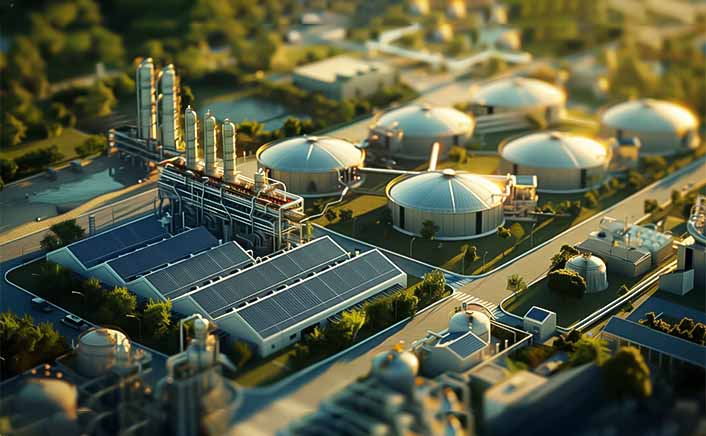
The Japan waste-to-energy market is currently experiencing a series of transformative trends that highlight a blend of technological advancements, policy support, environmental awareness, and changing demands from municipal and industrial sectors.
A primary trend is the sustained dominance and enhancement of incineration technologies, which remain fundamental to the market due to the nation's dense urban population, limited landfill availability, and rigorous environmental regulations. Contemporary incineration systems have evolved beyond basic waste combustion, incorporating high-efficiency boilers, optimizing steam generation, and utilizing digital monitoring systems that allow for precise control over combustion conditions, emissions, and energy recovery.
| Waste Type | Market Share Percent |
| Municipal Solid Waste | 65 |
| Industrial Waste | 18 |
| Agricultural Waste | 8 |
| Medical Waste | 5 |
| E?Waste | 4 |
The integration of advanced flue gas cleaning technologies such as multistage scrubbers, selective catalytic reduction, and particulate capture systems ensures compliance with Japan's stringent air quality standards while minimizing residual ash that must be disposed of. Another significant trend is the increasing interest in gasification, pyrolysis, and other advanced thermal conversion technologies.
Gasification is particularly gaining traction because it facilitates cleaner syngas production, which can be utilized for combined heat and power generation or further chemical synthesis, including hydrogen generation. Meanwhile, pyrolysis is emerging as a feasible method for transforming plastics and organic materials into liquid fuels and carbon-rich char, providing a means to reclaim value from waste streams typically destined for landfill or incineration.
Anaerobic digestion is also on the rise, largely fueled by food waste collection initiatives and the demand for biogas production that can be upgraded to biomethane for both industrial and grid applications. This technology aligns with Japan’s circular economy principles by converting biodegradable waste into energy and nutrient-rich digestate suitable for agricultural use. Plasma arc treatment remains a niche but strategically significant area, particularly for hazardous and complex waste types, with ongoing research focused on enhancing energy efficiency and reducing handling costs for vitrified residues.
A notable market trend is the formation of hybrid energy portfolios that integrate waste thermal output with solar or wind energy generation. By combining the steady base-load energy produced by waste facilities with intermittent renewable sources, both grid stability and overall renewable energy penetration are improved. Urban areas with limited space particularly benefit from these hybrid solutions, utilizing rooftops or small-scale solar installations alongside existing waste infrastructure to maximize energy output without necessitating additional land.
Furthermore, predictive maintenance and digital twin technologies are becoming increasingly prevalent, enabling operators to monitor plant performance in real-time, anticipate potential equipment issues, minimize downtime, and extend operational life. The recovery of materials from bottom ash, fly ash, and other residues is also gaining prominence, with refined separation systems facilitating the extraction of metals and minerals for reuse, thereby supporting sustainability and alleviating landfill pressures.
Policy-driven trends continue to shape the market landscape, including enhanced incentives for energy recovery, stricter emission standards, and long-term decarbonization targets that promote investment in modular and flexible technologies suitable for urban settings. Collaborative efforts among municipalities, engineering firms, and research institutions are accelerating innovation, particularly in gasification, pyrolysis, carbon capture, and heat integration solutions. Companies are increasingly adopting full-service models that encompass design, procurement, construction, operation, and long-term maintenance, ensuring consistent performance while advancing environmental goals.
Additionally, the market is witnessing a rise in smaller decentralized plants designed for islands, industrial parks, and remote communities where access to landfills or grids is limited. This trend underscores the importance of local energy resilience while adhering to environmental standards. The convergence of circular economy principles, advanced technology adoption, hybrid energy systems, digital integration, and supportive policies illustrates that the Japan waste-to-energy market is progressing toward more efficient, cleaner, and resource-optimized solutions. Collectively, these trends reinforce the sector’s role in minimizing environmental impacts, enhancing energy security, and contributing to national decarbonization efforts.