Global Pulse Oximeter Market: Stable Growth Anchored in Clinical Necessity and Recurring Monitoring Demand
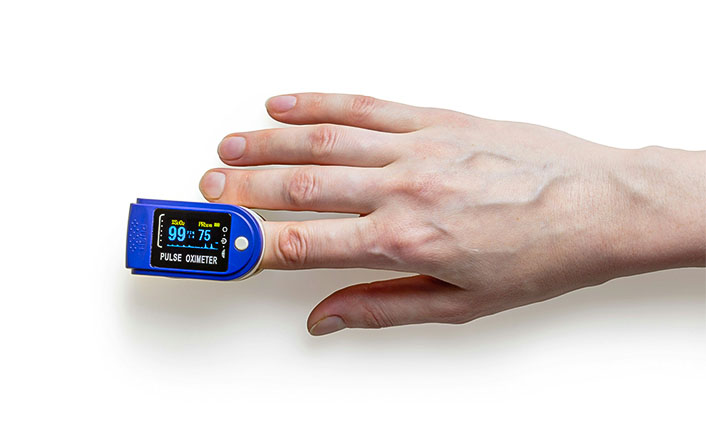
The Global Pulse Oximeter Market is valued at USD 2.70 billion in 2025 and is forecast to grow steadily through 2033. The increasing focus on ongoing patient monitoring, early identification of respiratory issues, and management of chronic diseases continues to drive consistent global demand for pulse oximeters. Monitoring oxygen saturation has become a standard component of clinical assessment in hospitals, outpatient clinics, and home healthcare, positioning pulse oximeters as vital medical devices rather than occasional diagnostic tools.
The global market benefits from widespread adoption in both developed and emerging healthcare systems. North America remains the leading region in commercial terms, owing to its advanced hospital infrastructure, established reimbursement policies, and routine use of pulse oximetry in emergency care, anesthesia, and post-acute monitoring. Europe follows, with steady demand driven by public healthcare systems and aging populations. Meanwhile, the Asia-Pacific is experiencing rapid growth driven by improved healthcare access, rising rates of chronic disease, and greater availability of affordable monitoring devices.
Market growth primarily depends on replacement cycles and ongoing usage, rather than initial adoption. In clinical settings, pulse oximeters are typically replaced every three to four years due to wear, calibration requirements, and technological advances. This pattern of replacement creates predictable revenue and shields the market from significant cyclical changes. In the home healthcare and consumer sectors, consistent monitoring of respiratory and cardiovascular health encourages repeat purchases, especially as patients move from occasional to continuous self-monitoring.
Hospitals and clinical settings remain the core demand centers.
Institutional buyers account for the largest share of market value, primarily due to consistent procurement in emergency departments, intensive care units, surgical recovery wards, and outpatient clinics. Hospitals emphasize procurement choices that prioritize accuracy, regulatory compliance, and device reliability, thereby helping maintain stable prices and prevent commoditization within the clinical-grade segment. Additionally, long-term care facilities and emergency medical services drive further demand for institutional products through required monitoring protocols.
Wearable integration is expanding the addressable market without displacing core devices.
The use of pulse oximetry in wearable and connected health devices is expanding from single measurements to continuous monitoring. Although wearable devices are increasing in market share, they serve as a complement, not a substitute, for traditional fingertip, handheld, and bedside oximeters. High-grade clinical devices remain the standard in hospitals, while wearables mainly facilitate home monitoring, wellness tracking, and management of chronic conditions.
Distribution dynamics favor professional channels with growing digital reinforcement.
Direct sales to hospitals and other healthcare institutions remain the primary revenue source, supported by long-term supply agreements and bundled monitoring solutions. Retail pharmacies and medical equipment stores are crucial for distributing home-care products, especially those recommended by physicians. E-commerce platforms are increasingly popular for replacement orders and consumer-grade devices, thereby enhancing accessibility and encouraging repeat purchases. However, online pricing competition is more intense.
Moderate competitive intensity supports sustained and predictable expansion.
The Global Pulse Oximeter market is primarily driven by technological credibility, regulatory approvals, and well-established distribution channels rather than price wars. Leading manufacturers emphasize improving accuracy, sensor reliability, and seamless integration with digital health systems to differentiate themselves. High entry barriers are maintained by regulatory compliance, brand reputation, and clinical validation standards, which prevent quick disruptions and promote consistent long-term growth.
Competitive Landscape
The leading companies in the Global Pulse Oximeter market include Philips Healthcare, Medtronic, Masimo Corporation, GE HealthCare, Nonin Medical, Nihon Kohden, Drägerwerk, Smiths Medical, Spacelabs Healthcare, and Beurer. Their competition focuses on clinical accuracy, sensor technology, regulatory compliance, and institutional partnerships, rather than on price competition. This setup fosters market stability and supports steady, value-oriented growth during the forecast period.