Urban Growth and Construction Expansion Fueling Asia Pacific’s Leadership in the LVT Market
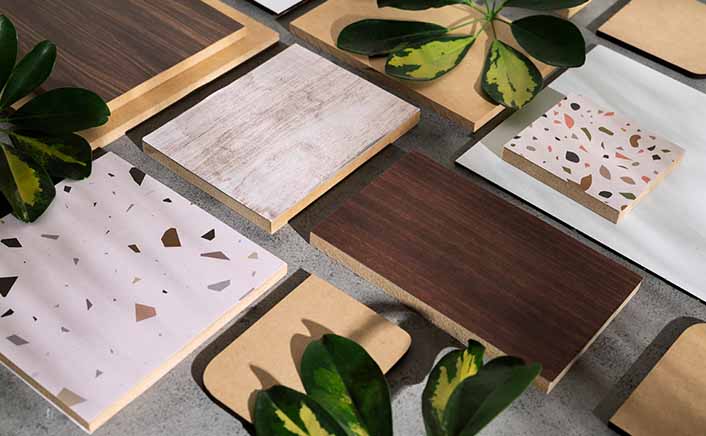
"The Asia Pacific region is currently leading the way in the Global Luxury Vinyl Tiles (LVT) Market and this growth can be attributed to several factors. Rapid urbanization and increased construction activities are prominent, as countries like China, India, and Japan experience significant economic growth. This has led to a heightened demand for durable yet visually appealing flooring options in residential, commercial, and infrastructure projects."
The Asia Pacific Luxury Vinyl Tiles market was valued at USD 4.38 Billion in 2024 and is projected to reach USD 9.73 Billion by 2033, with a compound annual growth rate (CAGR) of 18.50% from 2027 to 2033.
LVT stands out due to its versatility and low maintenance requirements, along with its ability to mimic expensive materials at more affordable prices. As environmental awareness grows, there’s also a rising interest in sustainable and eco-friendly building materials, which boosts the popularity of LVT products.
Moreover, with a burgeoning middle class and a clear shift toward modern home decor, more consumers are embracing LVT as a flooring solution. This combination of factors suggests that the Asia Pacific region will continue to see robust growth in the LVT market for the foreseeable future.
LVT's affordability, long-lasting nature, and ability to mimic natural materials make it an appealing flooring option for both homes and businesses.
LVT (Luxury Vinyl Tile) is becoming a go-to option for many because it combines style and savings. Unlike natural materials like hardwood or stone, which can be quite pricey, LVT offers a similar look without breaking the bank. It's especially durable and stands up well in high-traffic areas, making it a favorite in both homes and commercial spaces.
LVT's ability to withstand dampness, stains, and scratches makes it ideal for handling the diverse climates and lifestyles seen throughout the Asia Pacific area. Because of its cost and durability, LVT is becoming more and more popular among individuals and organizations searching for flooring options that are both long-lasting and still attractive.
Growing environmental awareness leads to a demand for eco-friendly LVT products, with low VOCs and recyclable components.
Businesses and customers in Asia Pacific are looking for eco-friendly building materials more and more as sustainability becomes a greater concern. Since many manufacturers are now creating flooring choices with sustainable materials and eco-friendly production procedures, there is an increasing demand for LVT. Customers that care about the environment and want to lessen their carbon footprint are drawn to LVT products because of their low volatile organic compounds (VOCs), recyclable parts, and non-toxic coatings. Furthermore, LVT is a more environmentally friendly option than conventional flooring materials because it can be recycled at the end of its life cycle.
The rising middle class in Asia Pacific is driving home improvement and design trends that favor affordable yet stylish LVT flooring.
The expanding middle class in the Asia Pacific region is transforming the consumer landscape. With greater disposable income, there is a rising demand for high-quality home improvement products. As living standards improve, more people are interested in modernizing their homes and creating visually appealing interiors. Luxury Vinyl Tile (LVT) fits well into this trend, as it can mimic expensive natural materials at a fraction of the cost, making it an attractive choice for those looking to upgrade their homes without overspending. Additionally, changing lifestyles, which prioritize easy maintenance and stylish, functional spaces, have further increased the demand for LVT.
Innovations in LVT technology, such as improved designs, water resistance, and easier installation, increase its market adoption.
Advancements in luxury vinyl tile (LVT) technology have made it increasingly appealing to consumers in the Asia Pacific region. Innovations such as improved water resistance, a wider range of design options, and easier installation methods—like click-lock systems—have enhanced the practicality and attractiveness of LVT. These technological improvements not only make LVT more durable and functional but also offer a greater variety of designs, textures, and finishes to suit diverse aesthetic preferences. Additionally, some manufacturers are developing waterproof and antimicrobial LVT to meet specific needs in areas with humid or wet climates.
Government support for infrastructure development and urban renewal projects boosts the demand for LVT in both residential and commercial sectors.
Government policies and investments in infrastructure projects across the Asia-Pacific region are major drivers of the LVT market. Countries like China, India, and Japan are prioritizing urban renewal and sustainable construction, leading to increased demand for cost-effective and durable materials such as LVT. These initiatives focus on improving urban infrastructure, building new homes, and expanding commercial spaces, which further boosts the need for flooring solutions. Additionally, government efforts to support green building standards and sustainable practices align with the rising demand for eco-friendly LVT products. This synergy between government support and market demand continues to drive growth in the LVT sector throughout the region.
Competitive Landscape
Some of the major companies operating within the Luxury Vinyl Tiles market are: Mohawk Industries, Inc., LG Hausys, Greflor, Tarkett S.A., Interface, Inc., Polyflor Ltd, Mannington Mills, Inc, Armstrong Flooring, Inc., Forbo Flooring Systems, Shaw Industries Group, Inc. and Others.