Europe Lubricants Market Growth Story: How Manufacturing, Automotive, and Renewable Energy Are Driving Demand
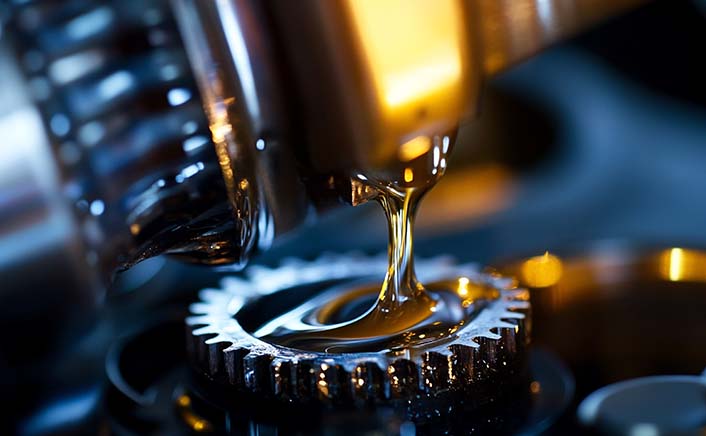
"Europe is becoming the fastest-growing region in the global lubricants market, and several important factors are behind this trend. The region boasts a robust industrial base, especially in manufacturing, automotive, and power generation, which is driving the need for high-performance lubricants. As companies shift towards renewable energy and sustainable practices, there's a rising demand for specialized lubricants that not only boost efficiency but also minimize environmental impact."
The Europe Lubricants Market was valued at USD 32.13 Billion in 2025 and is projected to reach USD 39.77 Billion by 2033, with a compound annual growth rate (CAGR) of 18.90% from 2027 to 2033.
Moreover, Europe has strict environmental regulations that promote the use of bio-based and low-emission lubricants, pushing manufacturers to create innovative and eco-friendly solutions. The revival of the automotive industry and the growing popularity of electric vehicles are also playing a role in this growth, as these advancements require specialized lubricants for modern engines and transmission systems.
Additionally, with increased investments in industrial automation and cutting-edge machinery, there's a heightened demand for lubricants that improve operational longevity and lower maintenance costs. With ongoing innovations and a strong emphasis on sustainability, Europe is clearly a pivotal player in the global lubricants market's expansion.
Europe's strong industrial base, including automotive, aerospace, and heavy machinery sectors, drives demand for high-performance lubricants to ensure smooth operations and reduce wear.
Europe boasts a strong industrial sector, particularly in manufacturing industries like automotive, aerospace, machinery, and heavy equipment. These sectors rely on high-performance lubricants to minimize friction, improve efficiency, and prolong the life of crucial components. As manufacturing facilities continue to modernize and automation becomes more prevalent, the need for lubricants that can handle high temperatures, heavy loads, and continuous usage has also increased. Additionally, as industrial production expands in some of the emerging economies in Europe, there’s a growing demand for various industrial lubricants, including hydraulic fluids, gear oils, and compressor lubricants.
Strict environmental policies encourage the use of bio-based, low-emission, and energy-efficient lubricants, promoting sustainable industrial practices.
Europe is known for having some of the toughest environmental rules, which encourages companies to embrace eco-friendly and bio-based lubricants. Regulations like REACH (which stands for Registration, Evaluation, Authorisation, and Restriction of Chemicals) and the European Green Deal are pushing manufacturers to create sustainable lubrication options that have a minimal impact on the environment. As a result, there's a growing demand for biodegradable and energy-efficient lubricants, especially in industries such as marine, automotive, and food processing. On top of that, businesses are increasingly investing in lubricants that have low levels of volatile organic compounds (VOCs) to meet emissions standards, driving more innovation in the industry.
The rise of EVs and the recovery of the automotive sector increase the need for specialized lubricants for electric drivetrains, battery cooling, and advanced transmission systems.
The European automotive industry relies heavily on lubricants, with both internal combustion engine (ICE) vehicles and electric vehicles (EVs) driving the demand. Traditional lubricants are still important for ICE vehicles, but the increasing popularity of EVs has sparked a need for specialized lubricants. These new lubricants are designed to improve performance and efficiency in electric motors, battery cooling systems, and transmission components.
Unlike conventional vehicles, EVs benefit from low-viscosity lubricants, which help minimize energy loss and boost drivetrain efficiency. On top of that, the heightened emphasis on fuel economy and reducing emissions in hybrid vehicles has sped up the development of innovative lubrication solutions across the automotive sector.
Expanding wind, solar, and hydro energy projects require specialized lubricants for turbines, generators, and power transmission components to ensure longevity and efficiency.
The rapid expansion of renewable energy projects in Europe, particularly in wind and solar power, has significantly increased the demand for industrial lubricants. Wind turbines, for instance, require specialized lubricants that can withstand extreme temperature variations, heavy loads, and prolonged operating hours. Advanced lubricants play a crucial role in improving turbine efficiency, reducing wear, and extending maintenance intervals, which is essential for remote wind farms. Similarly, hydraulic and thermal fluids are essential for solar power plants to ensure the optimal operation of concentrated solar power (CSP) systems. As Europe continues to invest in green energy, the demand for high-performance lubricants in the sector is expected to rise.
The adoption of automation, robotics, and high-tech machinery fuels demand for synthetic and smart lubricants that improve equipment performance and reduce downtime.
The rise of Industry and advancements in smart manufacturing have driven a demand for high-performance lubricants tailored for precision machinery, robotics, and automated systems. Today's industrial equipment often operates under significant stress, necessitating lubricants that offer superior thermal stability, strong anti-wear characteristics, and longer service intervals. Innovations in synthetic and nanotechnology-based lubricants have enhanced operational efficiency, lowered maintenance costs, and prolonged the life of critical machine components. Moreover, the introduction of condition-monitoring lubricants equipped with real-time analytics is becoming more popular, enabling industries to foresee and avert potential machinery failures.
Competitive Landscape
Some of the major companies operating within the Lubricants market are: PetroChina Company Ltd., FUCHS Group, BP plc, Valvoline LLC, ENEOS Corporation, TotalEnergies , Sinopec, Shell, ExxonMobil Corporation, Chevron Corporation and Others.