Rising Incidence of Traumatic Brain Injury and Neurocritical Care Investment Drive Global External Ventricular Drain Market Growth.
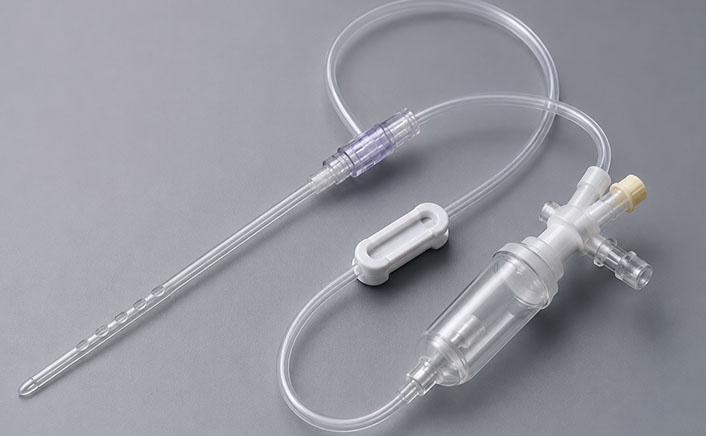
The Global External Ventricular Drain Market is set to experience steady growth as the rising global incidence of traumatic brain injury, stroke, hydrocephalus, and intracranial hemorrhage, combined with expanding neurocritical care infrastructure, continues to drive demand for cerebrospinal fluid drainage and intracranial pressure management devices worldwide. According to the latest market analysis, the market is projected to grow from USD 1.30 Billion in 2025 to approximately USD 2.56 Billion by 2033, registering a compound annual growth rate (CAGR) of 8.80% during the forecast period.
As the global burden of neurological emergencies continues to rise, the need for reliable and infection-resistant cerebrospinal fluid diversion devices has become increasingly important for managing elevated intracranial pressure and improving outcomes among trauma, stroke, and hydrocephalus patients. External ventricular drains help neurosurgeons and intensivists monitor and relieve intracranial pressure, manage cerebrospinal fluid abnormalities, and support recovery in critically ill neurological patients. These devices are increasingly recognized as essential tools in both emergency neurosurgical and intensive care settings.
The market is witnessing significant momentum through continued innovation in antibiotic- and silver-impregnated catheter coatings, closed drainage system design, and integration with real-time digital intracranial pressure monitoring. Advanced EVD systems featuring enhanced antimicrobial protection, improved catheter materials, and streamlined insertion mechanisms are further reducing infection risk and improving clinical outcomes. These innovations are helping manufacturers strengthen device reliability while supporting faster, safer neurosurgical interventions.
Hospitals, neurosurgery centers, and academic research institutes continue to strengthen partnerships with EVD device manufacturers to expand access to advanced intracranial pressure management solutions. Programs focused on trauma-center expansion, stroke-care readiness, and neurocritical care training are accelerating adoption of external ventricular drains across both developed and emerging healthcare systems. As a result, EVD systems are evolving from basic drainage devices into technologically advanced, infection-resistant solutions supporting the future of neurocritical care.
One of the primary factors driving market expansion is the increasing adoption of Standard External Ventricular Drain Systems, which currently represent the leading product type within the market with a major share of approximately 34.2% in 2025. Standard EVD systems offer proven clinical reliability, ease of insertion, and cost-effectiveness compared to advanced infection-resistant alternatives, making them particularly suitable for emergency neurosurgical procedures. Antibiotic-Impregnated External Ventricular Drain Systems follow closely with approximately 21.6% share, as clinicians increasingly prioritize infection control in neurocritical care. Continuous technological improvements and growing preference for antimicrobial catheter technologies continue to reinforce the dominance of standard and antibiotic-impregnated systems across both developed and emerging markets.
Despite its strong growth outlook, the industry continues to face several challenges. The high risk of catheter-related infections, inconsistent reimbursement frameworks across regions, and the elevated cost of advanced antibiotic- and silver-impregnated EVD systems limit adoption among price-sensitive healthcare systems. Premium devices equipped with digital intracranial pressure monitoring integration remain relatively expensive, particularly in emerging economies where neurocritical care spending is comparatively low. In addition, the requirement for highly skilled neurosurgical expertise for safe EVD placement continues to affect adoption across certain healthcare settings.
North America continues to dominate the Global External Ventricular Drain Market, accounting for a major share of approximately 54.5% in 2025, owing to advanced neurocritical care infrastructure, high healthcare expenditure, strong reimbursement coverage under Medicare and private insurance, a dense network of Level I and II trauma centers, and the strong presence of leading manufacturers involved in EVD research and commercial development. Europe maintains a significant market position with approximately 24.0% share, supported by well-established neurosurgical care systems, high stroke and traumatic brain injury incidence, and favorable government support for advanced medical devices. Meanwhile, Asia-Pacific, holding approximately 15.0% share, is expected to witness the fastest growth during the forecast period, supported by a large and rising trauma and stroke burden, expanding hospital infrastructure, and growing neurocritical care investment. Latin America and the Middle East & Africa are gradually strengthening their positions through improving trauma-care access, rising awareness of intracranial pressure management, and growing investments in critical care and neurosurgical services.
Competitive Landscape
Some of the major companies operating within the Global External Ventricular Drain Market are Integra LifeSciences Holdings Corporation, B. Braun SE, Medtronic plc, Natus Medical Incorporated, Sophysa SA, Fuji Systems Corporation, Spiegelberg GmbH & Co. KG, Möller Medical GmbH, Dispomedica GmbH, and others.