Europe Refurbished Electronics Market to Reach USD 73.4 Billion by 2033 Amid Circular Economy Expansion and Rising Demand for Affordable Premium Devices
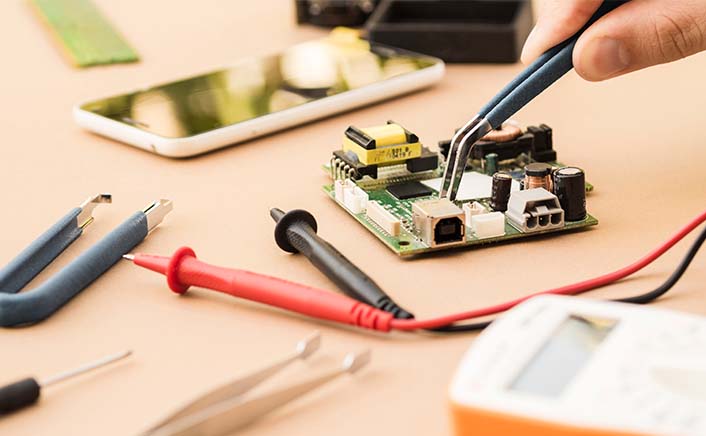
The Europe Refurbished Electronics Market is projected to grow from USD 32.4 billion in 2025 to USD 73.4 billion by 2033, registering a CAGR of 10.8% during the forecast period. The market is gaining strong momentum as rising electronics prices, sustainability-focused purchasing behavior, and expanding trade-in ecosystems continue to accelerate the adoption of professionally refurbished consumer and enterprise devices across Europe.
The market recorded nearly 158 million refurbished electronic units sold in 2025, with smartphones accounting for more than 55% of total sales volumes. Refurbished electronics include professionally restored smartphones, laptops, desktops, tablets, gaming consoles, and wearable devices sold through OEM-certified refurbishment programs, telecom operator trade-ins, enterprise IT asset disposition channels, and organized recommerce marketplaces.
Inflation in premium smartphone pricing has become one of the strongest demand drivers across Europe. Flagship smartphones from Apple and Samsung increasingly retail above USD 1,000 across Western European markets, encouraging consumers to shift toward certified refurbished alternatives that offer similar performance at discounts ranging from 35% to 55%. Apple devices continue to dominate refurbished value sales due to stronger resale retention and longer software support cycles.
The expansion of Europe’s circular economy regulations is also reshaping purchasing behavior for electronics. European Union Right-to-Repair initiatives and France’s repairability index system are improving consumer awareness of device longevity, repairability, and the economics of reuse. These policies are simultaneously strengthening organized refurbishment ecosystems by improving access to spare parts, repair information, and sustainability-focused procurement practices.
Telecom operators, including Vodafone, Orange, and Deutsche Telekom, are increasingly integrating trade-in and buyback programs into customer retention strategies. These programs are helping to generate structured secondary-inventory pipelines while normalizing refurbished-device adoption among mainstream consumers. Organized recommerce platforms such as Back Market and Refurbed are also strengthening their market penetration through warranty-backed devices, transparent grading systems, and certified quality-assurance models.
Enterprise demand is emerging as another major structural driver of growth. Businesses across Europe are increasingly adopting refurbished laptops and workplace electronics to reduce IT procurement expenditure and align with ESG commitments. Hybrid work adoption has accelerated corporate device refresh cycles, creating substantial reusable inventory entering secondary markets. Refurbished enterprise-grade laptops from Lenovo, Dell, and HP are experiencing strong demand among SMEs, educational institutions, and public-sector organizations seeking cost-efficient deployment of digital infrastructure.
Consumer behavior within the market reflects broader shifts toward value-conscious and sustainability-led purchasing patterns. Millennials and Gen Z consumers are increasingly accepting refurbished electronics due to environmental awareness and familiarity with recommerce platforms. Warranty-backed refurbished devices are increasingly preferred over informal second-hand marketplaces because of better return policies, battery diagnostics, and standardized refurbishment certifications.
Technology evolution within the industry is also improving product reliability and operational scalability. Early refurbishment models relied heavily on manual diagnostics and cosmetic restoration. In contrast, current-generation refurbishment ecosystems increasingly utilize AI-enabled testing systems, automated grading technologies, and predictive battery diagnostics to reduce defect rates and improve customer satisfaction. OEM participation is further strengthening market credibility as companies, including Apple, Samsung, Dell, and Lenovo, increasingly position refurbishment as part of broader lifecycle monetization and sustainability strategies.
Despite favorable market fundamentals, the industry continues to face supply-side and operational challenges. Longer smartphone replacement cycles are reducing the availability of premium devices entering refurbishment channels, particularly for high-demand Apple products. Battery degradation and inconsistent grading standards among fragmented refurbishers also continue to create trust concerns in some regional markets. In addition, aggressive pricing competition between OEM-certified programs, telecom resale channels, and independent marketplaces is creating margin pressure for smaller refurbishers lacking scale advantages.
Germany, the UK, and France remain the leading markets for refurbished electronics in Europe due to stronger e-commerce infrastructure, higher consumer purchasing power, and more mature adoption of the circular economy. Meanwhile, Eastern Europe is emerging as a high-volume growth cluster driven by affordability-focused electronics consumption and expanding digital adoption.
The competitive landscape remains moderately fragmented, with companies competing through reverse logistics efficiency, device sourcing capabilities, warranty strength, refurbishment automation, and sustainability positioning. As regulatory support for circular electronics consumption strengthens across Europe, refurbished electronics are expected to transition further from secondary affordability alternatives into mainstream consumer and enterprise purchasing channels.