Infrastructure Rehabilitation and Sustainability Goals Driving Europe Polymer Concrete Market Growth
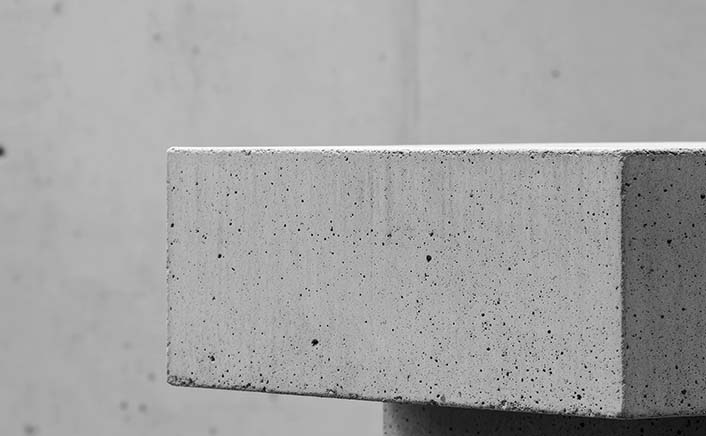
Europe is currently the fastest-growing region in the global polymer concrete market, driven by several key factors. The rising demand for durable and high-performance construction materials is fueling this market growth. Polymer concrete is particularly advantageous due to its exceptional resistance to chemicals, moisture, and temperature fluctuations, making it well-suited for the harsh conditions found in industrial and infrastructure applications."
The Europe Polymer Concrete market was valued at USD 119.33 Million in 2025 and is projected to reach USD 179.01 Million by 2033, with a compound annual growth rate (CAGR) of 18.30% from 2027 to 2033.
Moreover, strict regulations and a strong emphasis on sustainability in Europe are encouraging the adoption of polymer concrete. This material offers long-lasting and low-maintenance solutions that align with environmental objectives. The region also boasts a robust construction industry, with significant investments in infrastructure development, such as roads, bridges, and tunnels, where the properties of polymer concrete are especially beneficial.
Additionally, the increasing need for advanced and high-strength building materials in response to urbanization and renovation projects in the region further contributes to the rapid growth of the polymer concrete market. This combination of regulatory support, technological advancements, and expanding infrastructure projects positions Europe as a key player in the polymer concrete sector.
The need for long-lasting, low-maintenance materials drives the adoption of polymer concrete in construction.
The demand for durable, low-maintenance construction materials is one of the primary drivers of the polymer concrete market in Europe. With the region’s focus on improving the longevity of infrastructure and reducing long-term maintenance costs, polymer concrete has gained popularity. It offers superior resistance to harsh chemicals, high temperatures, and moisture, making it an ideal material for applications in environments prone to deterioration. For example, bridges, highways, and tunnels, which are subjected to significant wear and tear, benefit greatly from polymer concrete’s strength and durability. Its ability to withstand extreme conditions while maintaining its integrity for a long time is a key reason why it is increasingly preferred for construction in Europe’s industrial, commercial, and residential sectors.
Stricter environmental and sustainability regulations encourage the use of durable, eco-friendly polymer concrete.
Europe is known for its stringent environmental and regulatory standards in construction. Polymer concrete meets these standards by offering enhanced durability and requiring less maintenance compared to traditional concrete, which leads to reduced environmental impact over time. Additionally, the growing focus on sustainability in construction practices encourages the adoption of materials that are both durable and cost-effective. Polymer concrete’s longer lifespan and reduced maintenance needs mean fewer resources are consumed in the long run, making it an environmentally friendly choice. The shift toward green building certifications and eco-conscious construction practices is further driving the demand for polymer concrete, positioning it as an ideal alternative to conventional materials that may not meet these modern sustainability goals.
Ongoing investment in infrastructure and the need to repair aging structures boosts the demand for high-performance materials like polymer concrete.
The continued growth of infrastructure development and renovation projects across Europe is fueling the demand for polymer concrete. Many European countries are investing heavily in updating aging infrastructure, including roads, bridges, and tunnels. Traditional materials often require frequent repairs, leading to high costs and downtime. Polymer concrete, known for its longevity and resistance to harsh conditions, is seen as a reliable solution. Its application in new construction projects, as well as in the renovation of older infrastructure, helps reduce maintenance costs and extends the lifespan of critical assets. Governments and private sector companies are increasingly choosing polymer concrete for these projects to ensure long-term sustainability and minimize the economic impact of frequent repairs.
The growing use of cutting-edge materials like polymer concrete is a result of growing construction projects and urbanisation.
As urbanization continues to rise across Europe, there is an increasing need for advanced, high-performance materials that can meet the demands of modern construction projects. The growing construction sector, fueled by both new developments and the renovation of existing structures, is a major driver of polymer concrete’s popularity. Urban areas, with their dense traffic and significant infrastructure requirements, demand materials that can withstand the stresses of constant use. Polymer concrete is particularly suited for urban construction, offering durability and performance in high-traffic areas such as roads, pedestrian zones, and subways. The expansion of residential, commercial, and industrial projects in urban centers is thus contributing to the growth of the polymer concrete market in the region.
Innovations in polymer concrete improve its performance and versatility, making it more appealing for various applications in Europe.
Technological innovations in polymer concrete formulations have significantly improved the material’s performance, making it more versatile and suitable for a wide range of applications. Advances in polymer technology have led to the development of stronger, more resistant materials, allowing polymer concrete to be used in even more demanding environments. For instance, the addition of new resins and other additives has enhanced the bonding properties of polymer concrete, improving its durability and ease of use. These innovations make polymer concrete more attractive to construction companies seeking high-performance materials that reduce long-term costs and maintenance needs. The continuous development of new technologies in the polymer concrete sector ensures that it remains a competitive option in Europe’s ever-evolving construction industry.
Competitive Landscape
Some of the major companies operating within the Polymer Concrete market are: Forté Composites, Interplastic Corporation, Dudick Inc., ULMA Architectural Solutions, BASF SE, ErgonArmor, TPP Manufacturing Sdn Bhd, Carborundum Universal Limited (CUMI), Lidco Building Technologies, Kwik Bond Polymers and Others.