Europe Plant-Based Dairy Alternatives Market Set to Reach USD 22.9 Billion by 2033, Driven by Retail Expansion and Foodservice Adoption
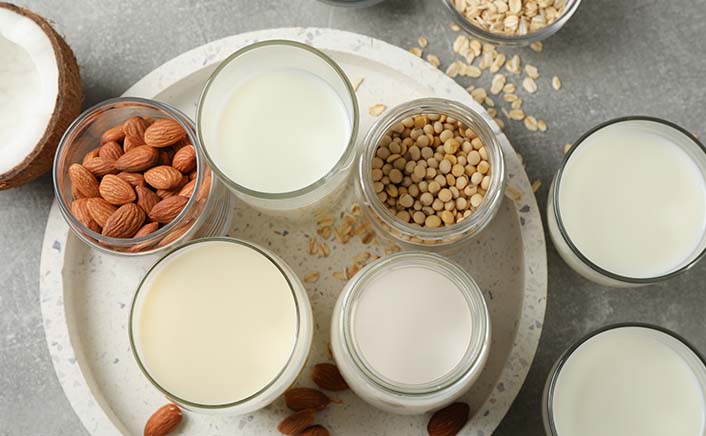
The Europe Plant-Based Dairy Alternatives Market is gaining strong commercial traction, with a market value of USD 12.2 billion in 2025 and projected to reach USD 22.9 billion by 2033, growing at a CAGR of 8.2% over the forecast period. The category, which includes plant-based milk, yogurt, cheese, butter, and creamers derived from sources such as oats, almonds, and soy, has evolved beyond niche vegan consumption to become a mainstream dietary shift driven by health, sustainability, and lifestyle factors.
A key factor shaping the market is the widespread adoption of plant-based milk, which continues to dominate product demand due to its integration into daily consumption habits such as coffee, cereals, and cooking. Industry data indicates that nearly half of European households have purchased plant-based milk, reflecting strong baseline penetration.
This widespread adoption is further supported by the expansion of private-label offerings by major retail chains, which has reduced price barriers and made these products more accessible across income groups.
Retail remains the primary distribution channel, accounting for the majority of sales, with supermarkets and hypermarkets leading due to extensive shelf space and competitive pricing strategies. However, foodservice is emerging as a critical growth driver. Cafés and coffee chains across Europe have increasingly standardized plant-based milk, particularly oat-based variants, due to their functional performance in beverages and growing consumer preference. This shift is expanding consumption beyond household usage and driving repeat demand in urban markets.
From a regional perspective, Western Europe continues to dominate the market, with Germany and the United Kingdom leading in both consumption and product innovation. These markets benefit from higher consumer awareness, strong retail infrastructure, and a well-established flexitarian population. Nordic countries also exhibit high per capita consumption, driven by sustainability-focused purchasing behavior. In contrast, Southern and Eastern Europe represent emerging opportunities, where lower penetration levels are offset by increasing product availability and gradual price normalization.
Regulatory frameworks within Europe play a significant role in shaping the competitive landscape. Restrictions on the use of dairy-related terminology for plant-based products have influenced branding and marketing strategies, requiring companies to adopt alternative labeling approaches. At the same time, broader sustainability policies are indirectly supporting the category by encouraging reduced reliance on animal-based food systems, aligning with the environmental positioning of plant-based alternatives.
The competitive landscape is characterized by a mix of multinational food companies and specialized plant-based brands. Companies such as Danone and its Alpro brand maintain strong market positions through extensive distribution networks and product portfolios. Oatly continues to lead in oat-based innovation, particularly within the foodservice segment. Nestlé and Lactalis Group are expanding their plant-based offerings to capture shifting consumer demand, while Arla Foods and Valio are leveraging their dairy expertise to develop competitive alternatives.
Looking ahead, growth in the European Plant-Based Dairy Alternatives Market will be increasingly driven by product diversification and quality improvements, particularly in segments such as cheese and yogurt alternatives. Advances in formulation and ingredient technologies are expected to address existing limitations in texture and taste, enabling broader adoption across culinary applications. Additionally, the localization of raw material sourcing, especially for oats, is expected to enhance supply chain stability and align with regional sustainability goals.
As consumer preferences continue to shift toward health-conscious and environmentally sustainable diets, the market is positioned for steady expansion. The combination of strong retail presence, growing foodservice integration, and supportive policy frameworks underscores the long-term growth potential of plant-based dairy alternatives across Europe.