Advanced IT & Telecom Equipment Recycling: Unlocking High-Value Metals in Europe
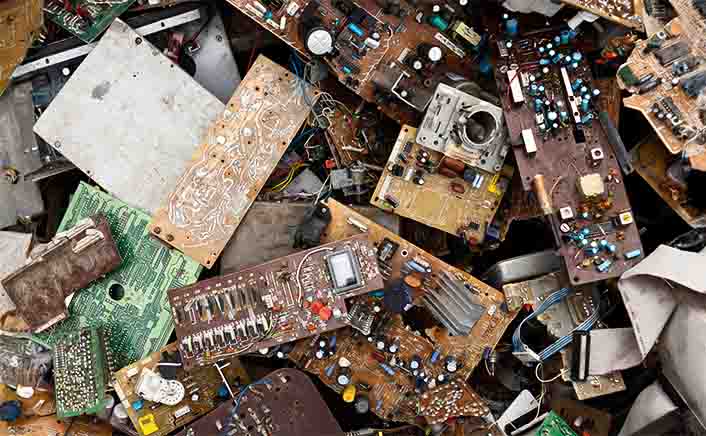
The Europe E-waste Recycling Market is influenced by a variety of electronic and electrical waste streams, each contributing uniquely to the overall dynamics of the market. Consumer electronics, such as smartphones, laptops, tablets, and wearable devices, hold a significant share due to their widespread use, rapid replacement cycles, and the valuable materials they contain, including gold, silver, copper, and rare earth elements. The swift adoption of smart devices across Europe has led to increased volumes of discarded electronics processed through formal recycling channels. The recovery of materials from these devices necessitates advanced dismantling and separation technologies, which include automated shredders, optical sorters, and precision hydrometallurgical processes. These technologies are essential for efficiently extracting high-value metals while adhering to environmental regulations.
The recycling of consumer electronics is further bolstered by robust Extended Producer Responsibility (EPR) schemes in Europe, which require manufacturers to finance collection and recycling initiatives, thereby making these waste streams a major catalyst for the market.
| Waste Type | Approx. Market Share (%) |
| Consumer Electronics (smartphones, laptops, tablets, wearables) | 25% |
| Home Appliances (refrigerators, washing machines, ACs, microwaves) | 30% |
| IT & Telecom Equipment (servers, networking devices, telecom hardware) | 15% |
| Industrial & Medical Equipment (lab instruments, imaging devices, industrial control systems) | 10% |
| Batteries (lithium-ion, lead-acid, NiMH) | 12% |
| Cables & Wiring (copper, aluminum, fiber-optic) | 8% |
Home appliances such as refrigerators, washing machines, air conditioners, and microwaves represent another significant segment. These appliances contain essential materials like steel, aluminum, copper wiring, and various plastics, along with refrigerants that demand careful depollution. Due to their larger size, the recycling of appliances focuses on mechanical shredding, the separation of metals from plastics, and the safe disposal or recovery of hazardous substances such as CFCs and PCB-containing components. Countries like Germany, France, and those in Scandinavia have developed well-established collection and processing networks for household appliances, which significantly contribute to regional recycling volumes. Moreover, the increased awareness of the circular economy and the push to meet EU sustainability targets have amplified investments in appliance recycling infrastructure, strengthening the e-waste recycling market in Europe.
The IT and telecom equipment sector, which includes servers, networking hardware, and telecommunication devices, constitutes another essential waste category. These items frequently contain high concentrations of copper, gold, and other strategic metals, making them economically appealing to recyclers. Advanced processing facilities employ automated dismantling and chemical recovery methods to optimize metal extraction while minimizing environmental impact. The ongoing digitalization of European industries, the growth of data centers, and the regular turnover of IT equipment ensure that this waste stream continues to expand, contributing to the steady growth of the e-waste recycling market.
Industrial and medical equipment, such as laboratory instruments, imaging devices, and industrial control systems, contribute smaller volumes but are rich in high-value metals and specialized components. The recycling of these devices requires precision disassembly and adherence to strict hazardous material regulations, particularly concerning lead, mercury, and cadmium.
This high-complexity waste stream is often directed to advanced recyclers specializing in strategic materials, enhancing profitability for facilities across Europe.
The segment of batteries, which includes lithium-ion, lead-acid, and NiMH types, has emerged as a significant growth area in e-waste. The EU's focus on electric mobility and renewable energy storage has led to greater volumes of end-of-life batteries entering recycling streams. Efficient recovery of metals such as cobalt, nickel, and lithium from these batteries is vital for securing supply chains and ensuring resource sustainability, marking battery recycling as a strategic element of the European e-waste recycling landscape.
Lastly, cables and wiring, made up of copper, aluminum, and fiber-optic materials, account for a consistent and high-volume share of e-waste. While these materials are relatively straightforward to process mechanically, they still require separation technologies to prevent contamination and maximize recovery. Given the extensive presence of wiring in industrial, commercial, and residential settings, cable recycling remains a steady contributor to the overall market.
The integration of these diverse waste types creates a balanced market structure, wherein high-volume base metals from appliances and cables facilitate operational scalability, while high-value streams from consumer electronics, IT equipment, and batteries drive economic profitability. The solid regulatory frameworks established by the EU, including the Waste Electrical and Electronic Equipment (WEEE) Directive and the Critical Raw Materials Act, further enhance the efficiency of collection and recycling processes for these streams, underpinning the growth and sustainability of the European e-waste recycling market.