How Automation and Smart Systems Are Driving the Europe Industrial Furnace Market
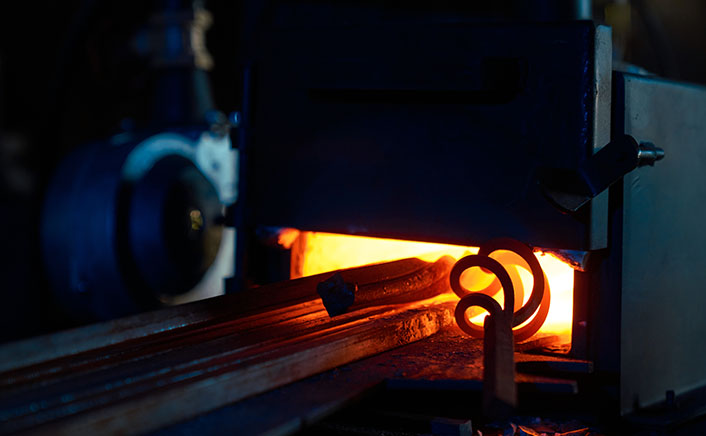
“The Europe Industrial Furnace market is currently experiencing steady growth, fueled by rising demand from the metal processing, ceramics, glass, and chemical sectors. The trend towards increased industrialization, along with the need for energy-efficient and low-emission solutions, is prompting manufacturers to embrace advanced furnace technologies, including electric, gas-fired, and induction furnaces. Leading countries in this market, such as Germany, Italy, and France, benefit from robust manufacturing bases and stringent environmental regulations that encourage the replacement of outdated, inefficient furnace systems.
Key industry players are placing significant emphasis on research and development, automation, and smart monitoring systems to boost productivity, lower operational costs, and adhere to sustainability standards. Additionally, the market is gaining from trends in lightweight metal processing and precision engineering, which demand highly controlled heating environments. While challenges like high capital investments and fluctuating raw material prices persist, the Europe Industrial Furnace market is well-positioned for growth, driven by technological advancements, modernization of industrial processes, and an increasing shift towards eco-friendly and high-performance furnace solutions. "
The Europe Industrial Furnace market was valued at USD 2.13 Billion in 2025 and is projected to reach USD 3.45 Billion by 2033, with a compound annual growth rate (CAGR) of 19.50% from 2026 to 2033.
The drive for sustainability and carbon neutrality is resulting in a greater demand for eco-friendly furnaces that produce fewer emissions and operate more efficiently. In response to EU regulations on industrial emissions, there's also a noticeable shift toward electric and hydrogen-based furnaces.
The presence of major industry players and continuous investments in research and development are fueling this market's expansion. Europe’s commitment to Industry 4.0, which emphasizes smart manufacturing and automation, is also playing a big role in the rising need for advanced industrial furnaces. With ongoing modernization efforts and technological innovations, Europe is poised for significant growth in the industrial furnace market in the years ahead.
Industries are increasingly investing in electric and hydrogen-based furnaces to reduce energy consumption and operational costs while enhancing efficiency.
European enterprises are giving energy-efficient solutions top priority in order to lower operating costs and carbon footprints due to rising energy costs and sustainability concerns. To maximise fuel efficiency, modern industrial furnaces use automatic heat recovery systems, regenerative burners, and sophisticated insulating materials. Conventional coal and gas-fired systems are increasingly being replaced by electric arc furnaces (EAF) and furnaces fuelled by hydrogen. Manufacturers find these developments appealing because they meet environmental and regulatory goals while improving process efficiency.
The demand for lightweight, high-strength materials in automotive and aerospace manufacturing is fueling the adoption of advanced heat treatment furnaces.
The demand for high-performance materials is driven by Europe's thriving automotive and aerospace industries, which include top producers like Rolls-Royce, BMW, Airbus, and Volkswagen. Modern industrial furnaces are necessary for precision manufacture, heat treatment, and forging of vital parts such as lightweight structural materials, gearbox systems, and engine parts. Further driving market expansion is the need for specialised heat treatment for battery components and lightweight alloys due to the expanding manufacturing of electric vehicles (EVs).
The integration of IoT, AI, and automation in industrial furnaces is improving process control, predictive maintenance, and overall operational efficiency.
Automation, artificial intelligence (AI), and the Internet of Things (IoT) are revolutionising manufacturing as part of Industry 4.0, which is increasing productivity and enabling real-time process monitoring. The use of smart industrial furnaces with adaptive heating controls, remote monitoring, and predictive maintenance systems is transforming conventional manufacturing techniques. These solutions optimise energy use, minimise downtime, and save maintenance expenses. Data-driven furnace operations are being quickly adopted by European companies to ensure accuracy, efficiency, and regulatory compliance.
European governments are offering grants, subsidies, and tax benefits to promote sustainable industrial processes, boosting furnace adoption.
European governments are aggressively advancing industrial innovation and sustainability through financial programs, grants, and subsidies. Horizon Europe, the Europe Union's primary research and innovation program, funds projects that promote energy-efficient and ecologically friendly industrial solutions. Tax credits and reimbursements are also being offered by national governments to companies who use low-carbon technologies. By lowering their cost, these financial incentives hasten the adoption of contemporary industrial furnaces in sectors like metal processing, glass manufacturing, and ceramics.
Growing demand for high-quality steel and metal components in infrastructure, construction, and renewable energy projects is increasing furnace utilization.
High-tech manufacturing, renewable energy initiatives, and infrastructure development are driving up demand for premium steel and metal components in Europe. For operations like annealing, carburising, and hardening that guarantee exceptional material qualities for equipment, automotive, and construction applications, industrial furnaces are essential. Energy-efficient electric furnaces are becoming more popular than conventional blast furnaces due to rising investments in recycling and secondary steel manufacturing, which lowers overall emissions.
Competitive Landscape
Some of the major companies operating within the Industrial Furnace market are: Carbolite Gero, Andritz ag, Danieli, Tenova, Surface Combustion Inc., The Grieve Corporation, Daido Steel Co. Ltd., ULVAC Inc., DOWA Thermotech Co. Ltd and Others.